Choosing the right material for home appliances and indoor panels can affect durability, appearance, and cost. 430 stainless steel is a popular option for buyers who need good corrosion resistance, a clean finish, and budget-friendly performance in dry indoor environments. But is it the best choice for your specific application? This article explores where 430 stainless steel works well, its limits, and what consumers should know before making a decision.
What Most Buyers Really Want to Know About 430 Stainless Steel
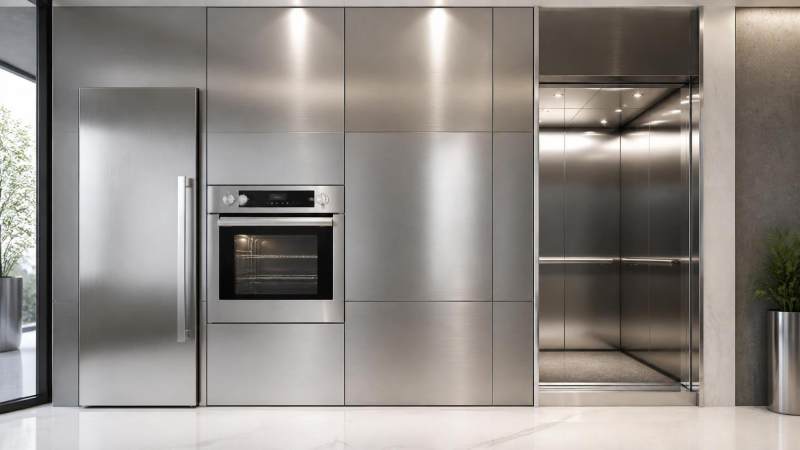
If you are comparing stainless steel materials for appliances or decorative indoor panels, the main question is simple: will 430 stainless steel last well enough without overpaying?
For many indoor household and light commercial uses, the answer is yes. 430 stainless steel offers a practical balance of appearance, corrosion resistance, magnetic properties, and lower cost.
It is especially suitable when the product stays in a dry or mildly humid interior space. Refrigerator door panels, dishwasher trim, oven surrounds, elevator interiors, and wall cladding are common examples.
However, 430 stainless steel is not the best choice for every environment. If the surface will face salt, strong cleaners, constant moisture, or outdoor exposure, a higher-grade stainless steel may perform better.
That is why consumers should not ask only whether 430 stainless steel is good. They should ask whether it is good for the exact conditions of use.
Why 430 Stainless Steel Is Common in Appliances and Indoor Panels
430 stainless steel belongs to the ferritic stainless steel family. It contains chromium for corrosion resistance but usually little or no nickel, which helps keep its price more affordable.
This lower nickel content is one reason many manufacturers use it in price-sensitive products. It gives a stainless appearance without the higher material cost often associated with premium grades.
For consumers, that matters because the material choice influences the final product price. In many cases, 430 stainless steel helps brands deliver a clean, modern finish at a more accessible cost.
Another reason it is widely used is its visual appeal. It can provide a bright, smooth, brushed, or polished surface that fits modern kitchens, laundry rooms, and interior architectural designs.
It is also magnetic, which can be a benefit in some household contexts. Many people notice this on refrigerator surfaces where magnets still work, unlike on some austenitic stainless steels.
Where 430 Stainless Steel Performs Well in Real Life
430 stainless steel works best in indoor applications where corrosion demands are moderate rather than severe. That makes it a sensible choice for many visible and non-structural surfaces.
In kitchens, it is often used for appliance skins, trim pieces, control panels, range hoods, and side panels. These parts need to look clean and resist everyday handling.
In home interiors, it can also be used for decorative wall panels, cabinet facings, elevator panels, and furniture accents. In these settings, appearance and cost often matter more than extreme corrosion resistance.
It also performs well where regular cleaning is expected but exposure remains mild. Fingerprints, dust, and occasional splashes are manageable when the surface is maintained properly.
For buyers selecting finishes and visible surfaces, this makes 430 stainless steel a useful middle-ground material. It is more durable and refined than painted metal, while often costing less than higher-alloy stainless options.
Its Biggest Advantage: Cost-Efficient Stainless Performance
The strongest reason many manufacturers choose 430 stainless steel is value. It gives users a stainless look and reasonable durability without pushing the product into a much higher price category.
That matters in consumer appliances, where buyers often compare design, finish, and price at the same time. A product can still look premium even when the material budget stays controlled.
For indoor panel projects, the same logic applies. Designers and contractors may want a metallic finish across larger surfaces, and 430 stainless steel can help control overall material spending.
This kind of cost-performance thinking is common across the steel supply chain. In broader industrial sourcing, products such as Wire Rod are also selected by balancing formability, standards compliance, and cost efficiency for intended use.
Consumers do not need to know every mill detail, but they should understand one important point: lower cost does not automatically mean lower suitability if the application is correctly matched.
What Are the Limits of 430 Stainless Steel?
The main limitation of 430 stainless steel is that its corrosion resistance is good, but not exceptional. It handles dry indoor conditions well, but harsh environments can shorten its service life.
For example, if an appliance is placed in a coastal home with salty air, the surface may be more likely to show staining or corrosion over time than higher-grade stainless steel.
It is also less ideal in spaces with constant moisture, repeated water contact, or aggressive chemicals. Commercial kitchens, outdoor installations, and poolside areas can be too demanding.
Another consideration is formability and weld performance compared with some other grades. This matters more to manufacturers than consumers, but it can affect how parts are designed and finished.
In practical buying terms, 430 stainless steel is best understood as application-specific. It performs well within its comfort zone, but it is not a universal answer for every stainless steel need.
430 Stainless Steel vs 304 Stainless Steel: Which One Should You Choose?
Many consumers compare 430 stainless steel with 304 stainless steel because both are common in kitchens and indoor environments. The best option depends on exposure conditions and budget priorities.
304 stainless steel usually offers stronger corrosion resistance because it contains more nickel and has a different alloy structure. It is better suited for wet, demanding, or more corrosive environments.
430 stainless steel usually costs less and still performs well for indoor, low-corrosion applications. If the product will not face harsh conditions, many buyers may not notice a practical difference.
If your priority is maximum durability in moisture-heavy settings, 304 often makes more sense. If your priority is clean appearance, magnetic surface, and lower cost for indoor use, 430 may be the smarter choice.
This is why reading product specifications matters. Two appliances may look similar on the showroom floor, but the steel grade can influence long-term maintenance and appearance retention.
Questions to Ask Before Buying an Appliance or Panel Made from 430 Stainless Steel
Consumers can make a better decision by asking a few direct questions before purchase. These questions reveal whether 430 stainless steel is being used in a suitable and honest way.
First, where will the product be installed? A dry apartment kitchen is very different from a beach house, a humid utility room, or a semi-open commercial space.
Second, which parts are actually made from 430 stainless steel? Some products use stainless only on visible exterior surfaces, while internal or side sections may use different materials.
Third, what finish does the surface have? Brushed and textured finishes can hide fingerprints and minor scratches better than mirror-like polished finishes in everyday use.
Fourth, what cleaning products are recommended? Even suitable stainless steel can suffer if exposed repeatedly to chlorine-based or highly abrasive cleaners.
Finally, what level of warranty or brand support is offered? A manufacturer that clearly states material details and care instructions usually gives buyers more confidence.
How to Maintain 430 Stainless Steel So It Keeps Looking Good
430 stainless steel does not require difficult maintenance, but proper care helps preserve its appearance. For most household applications, gentle routine cleaning is enough.
Use a soft cloth, warm water, and mild detergent for daily cleaning. Drying the surface afterward can reduce water spots, especially in homes with hard water.
Avoid steel wool, harsh abrasives, and chlorine-heavy cleaners. These can damage the finish or increase the chance of surface staining over time.
Wipe in the direction of the grain if the steel has a brushed finish. This helps the surface stay more uniform and reduces visible streaking.
If the material is installed in a slightly humid space, more regular cleaning can help prevent residue buildup. Good maintenance often matters as much as grade selection for visual results.
Is 430 Stainless Steel a Good Long-Term Choice for Consumers?
For the right indoor application, yes. 430 stainless steel can be a reliable long-term material when buyers understand its strengths and avoid using it in overly aggressive environments.
It is a strong choice for consumers who want a stainless appearance, decent durability, magnetic properties, and a more budget-conscious purchase. In many homes, that combination is entirely sufficient.
It becomes a weaker choice when expectations are too high for the environment. If you need top-tier corrosion resistance, especially around salt or heavy moisture, another grade is safer.
So the right conclusion is not that 430 stainless steel is cheap or inferior. The better conclusion is that it is practical, useful, and cost-effective when matched to the correct setting.
That same principle guides responsible steel sourcing more broadly. Whether for visible consumer products or industrial materials with standards such as ASTM, EN, JIS, or GB, good results depend on matching material properties to actual use.
Final Verdict: When 430 Stainless Steel Makes Sense
430 stainless steel is a smart option for appliances and indoor panels when the environment is dry, the appearance matters, and cost control is part of the decision.
It offers a clean stainless look, good indoor corrosion resistance, and solid everyday practicality for many households. That makes it popular for appliance exteriors and decorative interior surfaces.
Its limits are equally important. It is not the best material for constant moisture, coastal air, strong chemical exposure, or demanding outdoor use.
If you are choosing between materials, focus on where the product will be used, how much maintenance you accept, and whether paying more for higher corrosion resistance is truly necessary.
For many consumers, 430 stainless steel is not just acceptable. It is the right balance of performance, appearance, and price for the job at hand.
Please give us a message


Please enter what you want to find