Industrial steel tubing specifications can directly impact installation speed, labor efficiency, and total project cost. Small differences in size, wall thickness, tolerance, coating, and length often decide whether field work moves smoothly or slows down.
In steel construction and industrial fabrication, installation time is not controlled by labor alone. It also depends on how well industrial steel tubing matches design drawings, connection methods, lifting plans, and on-site conditions.
This article explains the industrial steel tubing specs that most affect installation time. It also shows how better specification choices can improve fit-up, reduce rework, and support reliable project delivery.
Core definition of industrial steel tubing specifications
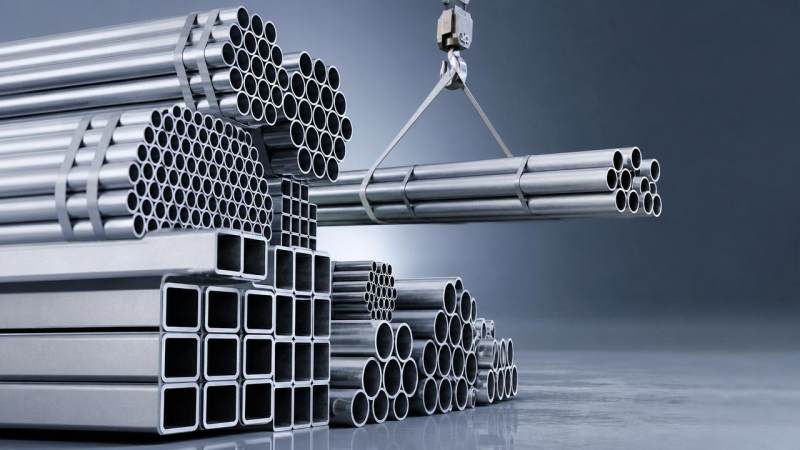
Industrial steel tubing refers to steel tubes used in structural, mechanical, industrial, and infrastructure applications. Specifications define physical dimensions, material grade, surface condition, and manufacturing limits.
For installation planning, the most important industrial steel tubing specs usually include outer diameter, wall thickness, length, straightness, end finish, coating type, and dimensional tolerance.
These details influence cutting, welding, bolting, clamping, alignment, and lifting. If specifications are unclear or inconsistent, crews spend more time correcting fit problems in the field.
Why installation time is closely linked to specification quality
Installation becomes faster when each tube arrives ready for use. That means fewer dimensional surprises, fewer surface defects, and fewer modifications before assembly.
Industrial steel tubing that follows ASTM, EN, JIS, or GB standards more consistently often reduces mismatch between engineering assumptions and field reality.
Specification factors that most affect installation time
Several industrial steel tubing variables have direct impact on installation speed. Some affect handling. Others affect connection accuracy or downstream finishing work.
1. Tube dimensions and section consistency
Outer diameter, square size, and rectangular dimensions determine whether clamps, brackets, saddles, and connectors fit without adjustment.
When section size varies beyond expected limits, crews may need shimming, re-drilling, grinding, or replacement. Each extra step extends installation time.
2. Wall thickness and weight
Wall thickness affects both structural performance and handling difficulty. Thicker tubes are heavier, which can increase lifting time, crane usage, and positioning effort.
At the same time, very thin walls may deform during transport or clamping. That can slow alignment and create more welding corrections on site.
3. Length tolerance and cut accuracy
Length deviations often create chain reactions across entire assemblies. If one member is too long or too short, adjacent parts may not align as designed.
Precise cut lengths reduce field trimming. They also improve workflow in modular construction, racks, supports, frames, and prefabricated steel systems.
4. Straightness and twist
Poor straightness slows assembly because workers must force parts into place. That creates extra measuring, tack welding, temporary bracing, and final correction work.
Twist is especially problematic for rectangular and square industrial steel tubing used in frames, columns, and support structures.
5. Surface treatment and coating requirements
Galvanized, painted, black, or oiled finishes influence handling, welding preparation, and touch-up work. Some coatings save maintenance time later but add preparation time during installation.
For example, thick zinc coating may require more care at welded joints. Painted surfaces may need protection during lifting to avoid repair after placement.
6. End finish and connection readiness
Plain ends, beveled ends, threaded ends, and pre-punched ends all change field labor needs. Preprocessed tubing can reduce work dramatically when connection details are standardized.
If industrial steel tubing arrives without required end preparation, cutting and finishing must be completed on site, increasing delays and labor exposure.
Industry signals behind specification-focused sourcing
Across construction, manufacturing, and infrastructure projects, buyers increasingly focus on installation efficiency, not only material price.
This shift is important in steel supply chains. Reliable specifications reduce uncertainty between factory output and field installation performance.
In some projects, related steel products are also planned together for schedule control. For example, Wire rod may be sourced alongside tubing for civil engineering construction, foundations, beams, walls, slabs, and rebars.
Available grades such as HRB335, HRB400, and HRB500, with tolerance around ±1%, help support predictable processing. Common surface options include galvanized, black, PVC, and anti-rust oil finishes.
Business value of choosing the right industrial steel tubing specs
Correct industrial steel tubing specifications create value beyond simple compliance. They help improve schedule reliability, installation predictability, and cost control.
- Reduced field modification and rework
- More accurate labor planning
- Lower equipment standby time
- Better welding and bolting efficiency
- Improved coordination with prefabrication
- Less risk of damage during handling
For exported steel products, stable production and consistent quality also matter. A supplier with modern manufacturing control can support specification accuracy across repeat orders.
That is especially useful when projects require ASTM, EN, JIS, or GB compliance and depend on dependable lead times for phased installation.
Typical installation scenarios and specification priorities
Different applications emphasize different industrial steel tubing specs. The best choice depends on connection type, exposure conditions, and installation sequence.
Practical specification checks before order confirmation
Before placing an order, it helps to review a short checklist focused on installation outcomes, not only material description.
- Confirm the exact industrial steel tubing standard and grade.
- Define dimensional tolerance, straightness, and twist limits.
- Specify required lengths and acceptable cut deviation.
- Match wall thickness with lifting and connection methods.
- Clarify coating type and whether welding areas need treatment removal.
- Request inspection documents and packing details for transport protection.
- Check whether pre-cutting, punching, or welding preparation is available.
These checks can prevent common delays caused by unclear specifications. They are also useful when comparing multiple suppliers on a total installed cost basis.
Implementation guidance for faster project execution
The fastest installation results usually come from coordination between design, procurement, fabrication, and site teams before production begins.
Share connection details early. Align industrial steel tubing specs with real field tools, welding sequences, transport limits, and storage conditions.
When possible, choose suppliers that offer customized structural steel solutions, stable production capacity, and quality control aligned with international standards.
Industrial steel tubing is not only a material item. It is a time-sensitive installation component. Better specifications support smoother assembly and stronger project control.
For the next step, review current tubing requirements against installation bottlenecks, then refine tolerance, length, coating, and processing details before procurement starts.
Please give us a message


Please enter what you want to find