As a project manager or engineering professional, having quick access to accurate I beam weight charts is essential for material planning and structural calculations. This comprehensive reference guide provides detailed weight specifications for various I beam sizes, helping you make informed decisions for your construction or manufacturing projects. Whether you're sourcing materials or verifying load capacities, our I beam weight chart simplifies your workflow while ensuring compliance with international standards.
Understanding I Beam Weight Calculations
The weight of an I beam is determined by its dimensions (height, flange width, web thickness) and material density. Standard I beams typically range from 4 inches to 44 inches in depth, with weights varying from 7 lb/ft to over 500 lb/ft. Accurate weight data is crucial for:
- Structural load calculations
- Material procurement planning
- Transportation logistics
- Crane capacity assessments
- Foundation design considerations
Most international projects require I beams that comply with ASTM A36, ASTM A992, or EN 10025 standards, with typical steel density of 490 lb/ft³ (7850 kg/m³).
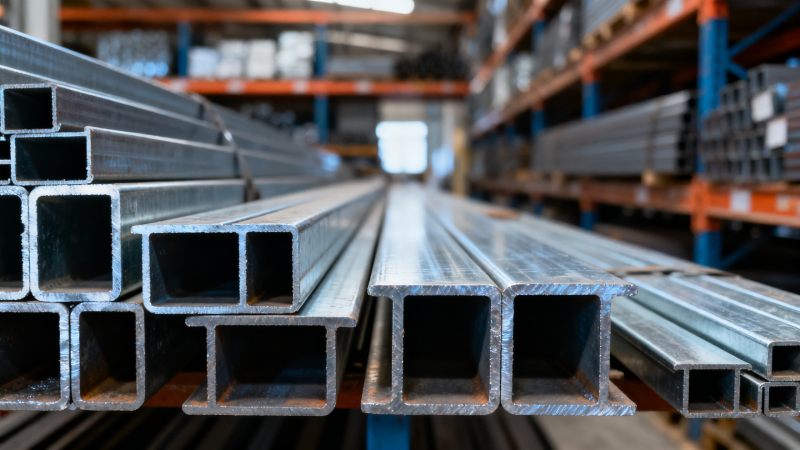
Standard I Beam Weight Chart
Below is a comprehensive reference table for common I beam sizes and their corresponding weights per foot/meter:
Note: Actual weights may vary slightly depending on manufacturing tolerances (±2-3%) and specific alloy composition. For critical applications, always verify with mill test certificates.
Complementary Steel Products for Structural Projects
While I beams form the backbone of structural frameworks, complete projects often require additional steel components. Wire rod serves as a versatile material for civil engineering construction, available in diameters from 6mm to 50mm with various surface treatments including galvanized and PVC coating.
Key specifications for structural wire rod include:
- Grades: HRB335, HRB400, HRB500
- Materials: Q195, Q235, Q345, ASTM A53 GrA/B
- Standards: BS4449-2005, GB1449.2-2007, JIS G3112-2004
- Processing: Bending, welding, decoiling, cutting options
How to Select the Right I Beam for Your Project
Choosing appropriate I beam sizes involves evaluating multiple technical and logistical factors:
Load-Bearing Requirements
Calculate both dead loads (permanent structural weight) and live loads (temporary forces) to determine required section modulus. As a rule of thumb:
- Residential floors: W8-W12 beams
- Commercial buildings: W12-W18 beams
- Industrial structures: W18-W24+ beams
Material Specifications
Verify required steel grade based on:
Frequently Asked Questions
How much does a 20-foot I beam weigh?
The total weight depends on the specific profile. For example, a W8x31 beam would weigh 620 lbs (31 lb/ft × 20 ft), while a W12x65 would weigh 1,300 lbs. Always confirm exact lengths as standard mill lengths may vary between 20-40 feet.
What's the difference between W, S, and HP beam designations?
W shapes (wide flange) have relatively wide flanges, S shapes (American Standard) have narrower flanges, and HP shapes (bearing piles) have nearly equal flange and web thicknesses. W shapes are most common in modern construction.
How do I account for weight tolerances in structural calculations?
ASTM permits ±2.5% weight variation for beams under 10 lb/ft and ±1.5% for heavier sections. For critical applications, add a 3% safety factor to published weights or request mill certification.
Why Choose Our Structural Steel Solutions
As a professional structural steel manufacturer and exporter, we provide:
- ASTM, EN, JIS, and GB compliant I beams with full traceability
- Custom cutting and drilling services to reduce on-site work
- Stable inventory of standard sizes with 3-4 week lead times
- Technical support for load calculations and material selection
- Competitive pricing for bulk orders (20+ metric tons)
Request a project-specific I beam weight chart or discuss your structural steel requirements with our engineering team today.
Please give us a message


Please enter what you want to find