Galvanized steel coatings are highly durable, but unexpected scratches can easily compromise their corrosion resistance and significantly shorten the lifespan of structural components.
As a dedicated maintenance professional, knowing exactly how to quickly repair these damages is absolutely crucial for ensuring long-term durability and structural integrity.
This comprehensive guide provides clear step-by-step instructions on restoring the protective layer of scratched surfaces, ensuring your daily projects keep running smoothly.
Why Prompt Repair of Galvanized Coatings Matters
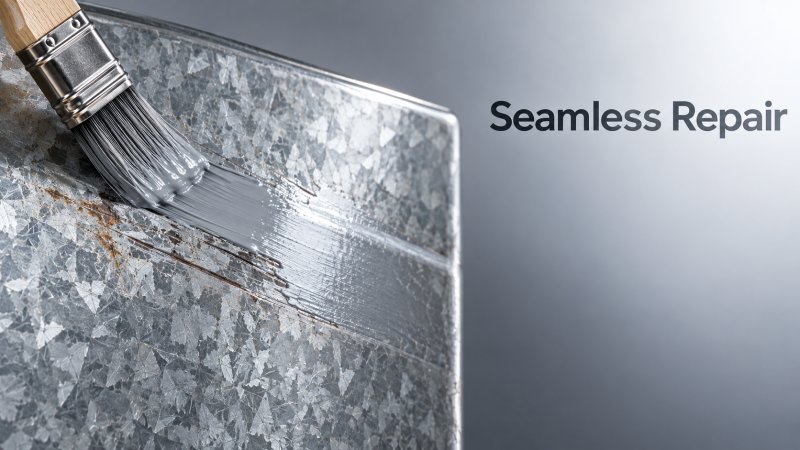
Galvanized steel heavily relies on a continuous zinc layer to provide effective sacrificial protection against rust and severe environmental degradation.
When this vital protective coating gets scratched, the underlying bare steel becomes directly exposed to harmful moisture and atmospheric oxygen.
This direct exposure rapidly accelerates the oxidation process, leading to severe corrosion that can easily spread beneath the surrounding intact coating.
Ignoring minor surface damage can eventually compromise the overall structural integrity of critical building components and heavy industrial equipment.
Timely repairs effectively restore the continuous barrier, preventing localized rust from expanding into major structural failures over the coming years.
Proactive maintenance also significantly reduces long-term replacement costs, keeping your operational budgets well under control throughout the entire fiscal year.
Furthermore, addressing scratches promptly ensures strict compliance with industry safety standards and maintains the visual aesthetic appeal of the structure.
Understanding the absolute urgency of these repairs helps maintenance teams prioritize their daily tasks and allocate resources more effectively on site.
Furthermore, maintaining the structural integrity of the galvanized coating preserves the aesthetic value of the building, which is crucial for commercial projects.
Regularly scheduled touch-ups are far less labor-intensive than complete recoating projects, making prompt scratch repair a highly efficient maintenance strategy for managers.
Assessing the Scratch Depth Before Repair
Before starting any repair work, you must accurately assess the exact depth and severity of the scratch on the metal surface.
Shallow scratches only affect the outer passivation layer or the very top of the zinc coating without actually exposing the steel.
Deep scratches, however, penetrate completely through the galvanized layer, leaving the highly vulnerable base metal fully exposed to harsh elements.
Use a magnifying glass or a simple scratch gauge to determine whether the bare steel is actually visible underneath the coating.
If the scratch appears bright silver or dark gray, it clearly indicates that the protective zinc layer has been fully removed.
Conversely, a dull or slightly textured appearance usually means the zinc coating is still partially intact and actively protecting the steel.
Accurate assessment dictates the proper choice of repair materials, ensuring you do not over-treat minor flaws or under-treat severe structural damage.
Proper evaluation saves valuable time and materials, allowing maintenance crews to apply the most appropriate and cost-effective repair solutions currently available.
Always clean the affected area lightly before assessment to remove loose dirt that might obscure the true depth of the surface scratch.
Documenting the scratch depth also helps in tracking recurring damage patterns, which can ultimately inform much better handling procedures in the future.
Essential Tools and Materials for Effective Repair
Gathering the right tools and materials is the essential foundational step for achieving a seamless and durable repair on galvanized surfaces.
For shallow scratches, a high-quality zinc-rich paint or cold galvanizing compound is usually sufficient to quickly restore the protective barrier.
These specialized compounds contain high percentages of zinc dust, which perfectly mimics the sacrificial protection offered by the original hot-dip coating.
For deeper damages, you will also need a sturdy wire brush, fine sandpaper, and a clean lint-free cloth for surface preparation.
Solvents like acetone or specialized metal cleaners are strictly necessary to degrease the area and ensure proper paint adhesion later on.
Always wear appropriate personal protective equipment, including heavy-duty gloves and safety goggles, when handling chemical cleaners and zinc-rich repair paints.
High-quality brushes or small spray cans allow for highly precise application, preventing excessive buildup that could look unprofessional after drying completely.
Having all necessary materials organized before starting the repair minimizes downtime and ensures a smooth, uninterrupted workflow for the entire maintenance team.
Investing in premium repair materials might cost slightly more upfront but guarantees a much longer-lasting finish that resists future peeling or flaking.
Keep these specialized repair kits readily available in your maintenance inventory to address unexpected scratches immediately during routine facility inspections.
Step-by-Step Guide to Repairing Shallow Scratches
Repairing shallow scratches is a remarkably straightforward process that can be completed quickly with minimal disruption to your daily facility operations.
Begin by thoroughly cleaning the scratched area using a mild detergent and warm water to remove any loose dirt or debris.
Rinse the surface with clean water and allow it to dry completely, as residual moisture will prevent the repair paint from adhering.
Next, wipe the area with a lint-free cloth dampened with a strong solvent like acetone to eliminate any residual oils or grease.
Stir the zinc-rich paint or cold galvanizing compound thoroughly to ensure the heavy zinc dust is evenly distributed throughout the liquid mixture.
Apply a thin, even coat of the compound directly over the scratch using a small, clean brush or a precision spray nozzle.
Avoid applying the paint too thickly, as multiple thin layers cure much better and provide superior protection compared to one thick layer.
Allow the first coat to dry completely according to the manufacturer’s specific instructions before assessing if a second coat is necessary.
Once fully cured, the repaired area will seamlessly blend with the surrounding galvanized coating, restoring both protection and a uniform appearance.
This simple procedure effectively seals the minor flaw, preventing moisture ingress and ensuring the long-term durability of the affected structural component.
How to Fix Deep Scratches Exposing Bare Steel
Deep scratches require a much more rigorous approach because the underlying base metal is completely exposed and highly vulnerable to rapid corrosion.
Start by mechanically cleaning the exposed steel using a wire brush or coarse sandpaper to remove any existing rust or mill scale.
Feather the edges of the surrounding intact galvanized coating to create a smooth transition zone for the new repair materials to adhere.
Clean the prepared area meticulously with a strong solvent to ensure it is absolutely free from dust, oil, and surface moisture.
Apply a generous layer of zinc-rich primer directly onto the bare steel, ensuring complete coverage to re-establish sacrificial cathodic protection effectively.
Let the primer cure fully, then apply a compatible topcoat if the component is exposed to harsh chemical or highly corrosive environments.
In architectural applications, maintenance teams might opt for pre-painted materials like a PPGI Steel Sheet to perfectly match existing color aesthetics and ensure seamless visual integration across the building facade.
Always follow the specific curing times recommended by the paint manufacturer to achieve maximum adhesion and optimal corrosion resistance performance levels.
Regularly inspect these deep repair zones during subsequent maintenance cycles to ensure the new coating remains completely intact and fully functional.
Properly executed deep repairs not only halt active corrosion but also significantly extend the overall service life of the structural steel components.
This meticulous approach guarantees that even heavily damaged areas can be fully restored to meet rigorous industry safety and performance standards.
Preventive Maintenance to Avoid Future Coating Damage
While knowing how to repair scratches is essential, implementing preventive measures is equally important to minimize future coating damage and maintenance costs.
Train handling crews to use proper lifting equipment and avoid dragging steel components across rough surfaces during transportation and installation phases.
Utilize protective padding, wooden dunnage, or specialized slings when moving galvanized parts to prevent direct metal-to-metal contact and subsequent surface scratching.
Establish a routine inspection schedule to identify and address minor abrasions before they have the opportunity to develop into severe corrosion issues.
Keep the steel surfaces clean by regularly washing away accumulated dirt, salts, and industrial pollutants that can accelerate coating degradation over time.
Ensure adequate ventilation and control humidity levels in storage areas to prevent condensation, which can prematurely weaken the protective galvanized layer.
Apply temporary protective films or coatings during the construction phase if the steel will be exposed to highly abrasive site conditions.
By fostering a culture of careful handling and proactive maintenance, facilities can significantly reduce the frequency of required galvanized coating repairs.
These preventive strategies ultimately protect your initial investment, ensuring that the structural steel performs reliably throughout its intended design lifespan.
Consistent preventive care is the most cost-effective way to maintain the pristine condition and structural reliability of your galvanized steel assets.
Ultimately, a well-maintained galvanized surface not only performs better structurally but also reflects positively on the overall quality management of your organization.
Take pride in your maintenance protocols by ensuring every scratch is addressed promptly, securing the durability of your steel infrastructure for the long term.
Conclusion
Repairing scratches on galvanized steel coatings is a critical maintenance task that directly impacts the longevity and safety of structural components.
By accurately assessing scratch depth, selecting the right materials, and following meticulous application steps, maintenance professionals can restore full protective functionality.
Whether dealing with minor surface flaws or deep exposures, prompt and proper repair prevents costly corrosion and ensures structural reliability.
Combining these effective repair techniques with robust preventive handling practices will keep your galvanized steel assets in optimal condition for decades.
Empower your maintenance team with these proven strategies to safeguard your infrastructure and maximize the return on your steel investments.
Please give us a message


Please enter what you want to find