Bending an electrical conduit pipe requires precision and the right techniques to ensure a smooth installation without damaging your walls significantly.
For operators and construction professionals, mastering this skill is essential for maintaining structural integrity and achieving a flawless finish on every project.
In this comprehensive guide, we will walk you through the step-by-step process of bending an electrical conduit pipe safely and effectively.
Discover the best tools, practical tips, and expert methods to avoid cracks, kinks, and wall damage, ensuring your electrical routing is highly efficient.
Understanding the structural implications of your work is just as important as the physical bending technique for overall system reliability and safety.
Essential Tools for Bending an Electrical Conduit Pipe
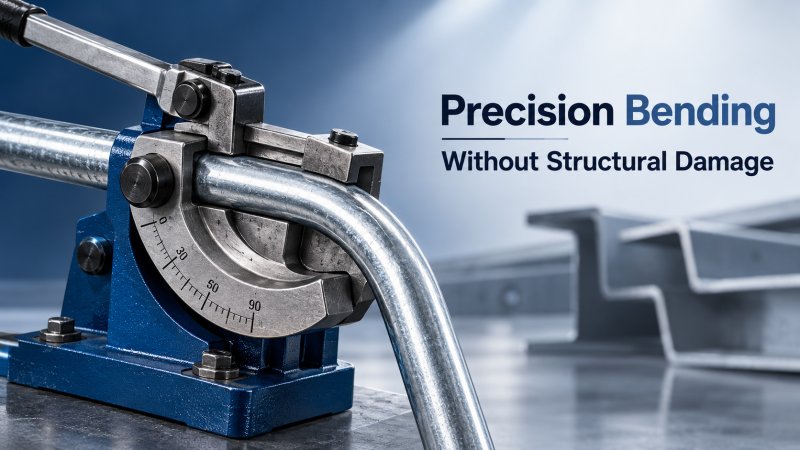
Before starting any bending operation, gathering the correct tools is absolutely crucial for achieving professional results on your electrical installation projects.
Using improper equipment often leads to damaged walls and ruined conduit materials, which can significantly delay your overall construction timeline and budget.
A high-quality manual bender or hydraulic bender is the most important tool in your kit for bending the electrical conduit pipe smoothly.
You will also need a reliable measuring tape, a marker, and a spirit level to ensure that your bends align perfectly.
Don't forget to wear appropriate personal protective equipment like safety glasses and heavy-duty gloves to protect your hands and eyes from sharp edges.
Step-by-Step Guide to Bending Without Wall Damage
Proper preparation is the key to bending an electrical conduit pipe without causing stress to the surrounding wall structures during installation.
Always mark your bending points clearly before applying any force to the pipe to ensure accurate and consistent angles throughout the entire run.
Start by securing the conduit firmly in the bender shoe and ensure the pipe is aligned correctly to prevent uneven pressure distribution.
Apply steady, gradual pressure when operating the bender handle because sudden movements can cause the metal to kink and damage adjacent wall surfaces.
Check your progress frequently using a protractor or angle finder to prevent over-bending, which is a common cause of structural weakness in conduits.
Once the desired angle is reached, carefully release the pressure and remove the conduit slowly to avoid scratching the wall surface or pipe.
Pro Tips to Prevent Cracks and Kinks
Preventing cracks in the conduit and the surrounding walls requires a deep understanding of material limits and bending mechanics for optimal results.
Always respect the minimum bending radius for your specific pipe size to avoid excessive stress on the metal and the adjacent wall structures.
Using a bending spring inside thin-walled conduits is a highly effective technique that prevents the pipe from collapsing or kinking during bending.
For thicker electrical conduit pipe varieties, applying heat can make the metal more pliable, but ensure you do not overheat the material.
Lubricating the bender shoe reduces friction significantly, ensuring a smoother bend and preventing the outer wall of the conduit from scraping heavily.
When routing near drywall or masonry, use protective plates to shield the wall surface from accidental impacts by the bender handle or conduit.
Integrating Conduit Routing with Structural Steel Frameworks
In modern construction, electrical routing often intersects with robust structural frameworks, making it vital to maintain both electrical safety and structural stability.
When working around heavy steel components, you must plan your conduit paths carefully to avoid compromising the primary load-bearing elements of the building.
For secondary structures, you can often attach the electrical conduit pipe directly to the steel members using appropriate clamps for a secure fit.
In large-scale industrial projects, conduits are frequently routed alongside specialized steel profiles, requiring precise measurements to avoid interference with the purlin connections.
For instance, routing cables near a Z-beam requires careful planning to ensure the electrical system complements the overall structural layout perfectly.
Always consult the structural engineer before modifying any steel framework to ensure that your electrical installations complement the Z-beam layout safely and efficiently.
Choosing the Right Electrical Conduit Material for Bending
The material of your electrical conduit pipe significantly impacts how it behaves during the bending process and requires unique approaches to prevent cracking.
Rigid metal conduits are highly durable but require more force to bend, often necessitating a hydraulic bender to avoid stressing the wall structures.
Intermediate metal conduits offer a good balance between strength and flexibility, making them easier to bend manually for complex routing in residential walls.
PVC conduits are popular for underground environments, and applying gentle heat is essential when bending them to prevent the plastic from cracking severely.
Always verify the material type before starting, as using the wrong bending technique for a specific electrical conduit pipe material will cause damage.
Common Mistakes to Avoid During Conduit Bending
Avoiding common pitfalls is just as important as knowing the correct techniques, as many operators ruin their materials by rushing through the process.
One major mistake is using a bender designed for a different pipe size, causing uneven pressure that leads to severe kinks and wall cracks.
Another frequent error is failing to account for springback, meaning you must over-bend slightly to achieve the exact angle after the metal relaxes.
Neglecting to clean the conduit before bending is also problematic because dirt inside the pipe can scratch the interior surface and block wires.
Failing to support the conduit properly after bending is another critical mistake that puts immense pressure on wall anchors and causes plaster cracks.
Using excessive force when the conduit is stuck in the bender is highly dangerous and can result in sudden slips that damage the wall.
Ignoring environmental conditions can also ruin your bending efforts, because bending metal conduits in extremely cold weather makes the material brittle and prone to cracking.
Advanced Techniques for Complex Wall Routing
Sometimes, you need to navigate complex wall structures that require multiple bends in a single run, requiring careful planning to prevent unnecessary stress.
Use the step-off method for parallel offsets to ensure that all bends are perfectly aligned, creating a clean appearance along the wall surface.
When bending around corners, use sweep bends instead of sharp angles to reduce friction for the wires and minimize the risk of damaging plaster.
For long runs, consider using pull boxes at strategic intervals to provide access points for wire pulling and reduce physical strain on the conduit.
Always secure the conduit properly after bending using adequate supports to prevent sagging, which can eventually pull on wall anchors and cause cracks.
When working with masonry walls, using a hammer drill to create precise channels is crucial to avoid pinching the electrical conduit pipe during installation.
Always use appropriate wall anchors designed for the specific weight of the conduit and the wires it holds to prevent sagging and surface cracking.
For ceilings, consider using trapeze hangers for multiple conduit runs to distribute the weight evenly across the ceiling structure and prevent localized drywall cracks.
Safety Precautions During Conduit Bending
Safety should always be your top priority when bending an electrical conduit pipe, because the physical forces involved can cause severe injuries if ignored.
Ensure your work area is well-lit and free of tripping hazards so you can focus entirely on the bending process and avoid accidental wall impacts.
Never exceed the physical capacity of your manual bender, as attempting to bend thick conduits with an undersized tool can cause the handle to snap back.
When using hydraulic benders, inspect all hoses and fittings for leaks before applying pressure to prevent sudden failures that can damage walls and harm workers.
Always wear steel-toed boots when handling heavy conduit lengths to protect your feet from severe injuries, especially when working on uneven construction site surfaces.
Maintenance and Care for Your Bending Tools
Proper maintenance of your bending equipment ensures consistent results and extends the lifespan of your tools, protecting both the pipe and the walls.
Clean the bender shoe after every use to remove metal shavings and dirt, preventing them from scratching the electrical conduit pipe during your next operation.
Lubricate the moving parts of the bender regularly to reduce mechanical wear and ensure that the handle operates smoothly for better control over bending.
Inspect the bender for signs of wear or damage before each project, as a cracked shoe will produce inaccurate bends and increase the risk of wall damage.
Store your tools in a dry, secure location to protect them from rust and physical impacts, ensuring they remain reliable for all your future electrical projects.
Summary and Final Thoughts
Mastering the art of bending an electrical conduit pipe without cracking walls is a valuable skill that requires patience, the right tools, and material understanding.
By following the step-by-step guide and applying the pro tips outlined in this article, you can achieve flawless bends while respecting the minimum bending radius.
Integrating your electrical routing seamlessly with structural frameworks further enhances the overall quality of your construction projects, where proper planning and execution are absolutely key.
Ultimately, avoiding wall damage and conduit kinks saves time, reduces material waste, and ensures a safer working environment for everyone involved in the construction process.
Continuous learning and adapting to new tools will further enhance your capabilities, as staying updated with the latest bending technologies gives you a competitive edge.
By prioritizing precision and wall protection, you establish yourself as a true professional, and your attention to detail will be reflected in every completed project.
Please give us a message


Please enter what you want to find