How pre-painted galvanized steel coil resists fading as durability expectations rise
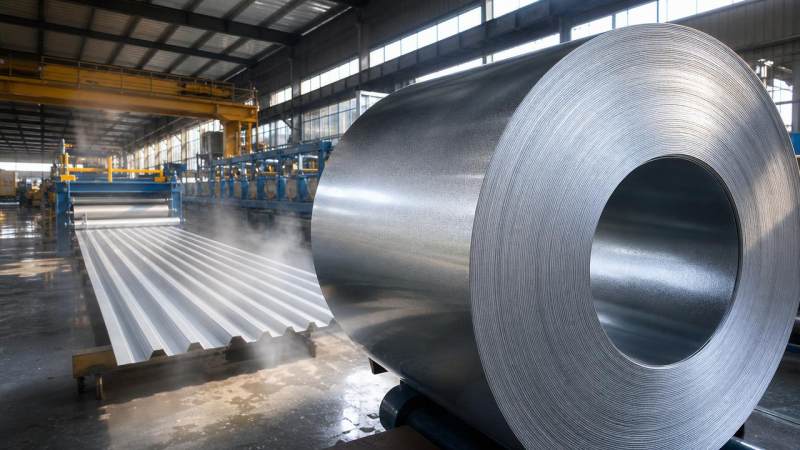
For modern steel projects, coating color stability is no longer only an appearance concern.
It affects inspection confidence, corrosion protection, maintenance planning, and long-term structural reliability.
A pre-painted galvanized steel coil resists fading through zinc protection, pretreatment, primer adhesion, and weather-resistant topcoats.
These layers work together against ultraviolet radiation, humidity, temperature swings, abrasion, and forming stress.
As construction and industrial applications demand longer service life, coating performance is becoming a stronger material selection signal.
Color retention is becoming a measurable steel quality indicator
The market is shifting from simple color matching toward measurable outdoor durability.
Pre-painted galvanized steel coil is now evaluated by gloss retention, chalking resistance, adhesion, and corrosion performance.
This change is visible in roofing, wall cladding, panels, appliances, workshops, and prefabricated structures.
Projects exposed to strong sunlight or coastal humidity require more reliable coating systems.
Low-cost paint films may look acceptable at delivery, but fading can appear quickly after outdoor exposure.
That risk makes pre-painted galvanized steel coil selection more technical and less price-driven.
The current trend is moving toward layered performance control
Color fading is rarely caused by a single factor.
It usually reflects weaknesses across coating chemistry, curing control, substrate preparation, or environmental suitability.
A stable pre-painted galvanized steel coil depends on every layer performing its assigned function.
Why UV exposure is driving better coating technologies
Ultraviolet radiation is one of the strongest causes of coating degradation.
It breaks chemical bonds inside paint resin and weakens pigment protection.
When the topcoat loses stability, the surface may fade, chalk, or lose gloss.
High-performance pre-painted galvanized steel coil uses resin systems selected for the service environment.
Polyester coatings suit general building use when exposure is moderate.
Silicon modified polyester improves weatherability and gloss retention.
PVDF coatings offer stronger UV resistance for demanding outdoor applications.
- Stronger sunlight increases demand for UV-stable topcoats.
- Dark colors need better pigment and resin protection.
- Longer warranty periods require verified weathering data.
- Architectural panels need consistent color across batches.
This explains why pre-painted galvanized steel coil performance is increasingly linked with resin selection and test documentation.
Humidity and corrosion are changing fading risk calculations
Fading is often discussed as a sunlight issue, but moisture also matters.
Humidity can penetrate weak coatings and attack the interface beneath the paint film.
Once corrosion begins, the surface can discolor even if the pigment remains stable.
A well-made pre-painted galvanized steel coil slows this process through galvanized protection and pretreatment consistency.
Zinc coating sacrifices itself before the steel substrate corrodes.
Pretreatment helps primer resist moisture migration and supports long-term coating adhesion.
This layered approach is important for coastal buildings, industrial roofs, warehouses, and transport facilities.
Key drivers behind the fading-resistance trend
- More projects use exposed steel surfaces as visible design elements.
- Maintenance budgets are under tighter cost control.
- Climate variation makes outdoor aging harder to predict.
- International projects require clearer coating specifications.
- Factory prefabrication increases demand for stable color batches.
These drivers support broader adoption of tested pre-painted galvanized steel coil in exterior steel systems.
Handling, forming, and fabrication now influence coating decisions
Coated coil must resist more than outdoor weather.
It is uncoiled, cut, profiled, transported, installed, and sometimes fastened under site pressure.
Poor flexibility can create microcracks that later accelerate fading and corrosion.
A suitable pre-painted galvanized steel coil balances hardness, adhesion, bendability, and surface durability.
The coating should survive roll forming without losing film integrity.
It should also resist scratches that expose zinc or steel to moisture.
For integrated steel projects, coated coil may be used beside beams, channels, angles, and customized profiles.
Related structural components, such as Q195 Carbon Steel Round Bar, may support construction, railing, fencing, furniture, and fabrication needs.
Material coordination helps keep visible steel parts durable, compatible, and easier to inspect.
Application upgrades are raising expectations for pre-painted galvanized steel coil
Different applications experience different fading pressure.
Industrial roofing faces heat, condensation, dust, and installation wear.
Wall cladding needs stable color because vertical surfaces are highly visible.
Appliance panels require smooth surface finish and controlled gloss.
Prefabricated buildings depend on consistent coil batches to avoid color mismatch.
The result is a stronger preference for pre-painted galvanized steel coil with documented weathering and coating control.
What reliable coating performance should include
A fading-resistant coil should be judged through both specification and process control.
Visual color alone cannot confirm long-term performance.
The following points help separate reliable pre-painted galvanized steel coil from ordinary coated material.
- Confirm zinc coating mass and substrate grade.
- Review pretreatment type and environmental suitability.
- Check primer thickness, adhesion, and corrosion resistance.
- Match topcoat resin to sunlight and humidity exposure.
- Request color difference and gloss control data.
- Evaluate bend, impact, and scratch resistance.
- Confirm compliance with ASTM, EN, JIS, or GB requirements.
Hongteng Fengda supports global steel projects with controlled production, international standards, and dependable export coordination.
The company supplies structural steel and customized components for construction, industrial, and manufacturing applications.
How to judge the next stage of coating demand
The next stage will favor materials with traceable coating quality and practical field durability.
Pre-painted galvanized steel coil will be compared through performance evidence, not only surface appearance.
Several judgment points can guide more stable decisions.
A strong response combines technical specification, supplier verification, and realistic service-condition assessment.
Actionable next steps for better fading resistance
Start by defining the project environment before selecting a coating system.
Sunlight level, humidity, chemicals, roof slope, and installation method all affect fading risk.
Then compare pre-painted galvanized steel coil options by substrate, zinc layer, pretreatment, primer, and topcoat resin.
Ask for coating thickness, adhesion results, color tolerance, gloss range, and applicable standards.
For projects requiring stable appearance and corrosion protection, avoid judging coil quality by price alone.
The better decision is based on lifecycle value, inspection stability, and proven weather resistance.
Hongteng Fengda can support steel sourcing with reliable products, customized solutions, and export experience across multiple regions.
For upcoming projects, review pre-painted galvanized steel coil requirements early and align specifications before production begins.
Please give us a message


Please enter what you want to find