How long can galvanized carbon steel pipe resist rust in real-world use? The answer depends on coating thickness, environment, moisture exposure, and maintenance. For buyers comparing materials for construction or industrial projects, understanding these factors helps reduce cost, avoid premature corrosion, and choose a more reliable steel solution for long-term performance.
What does galvanized carbon steel pipe use to resist rust?
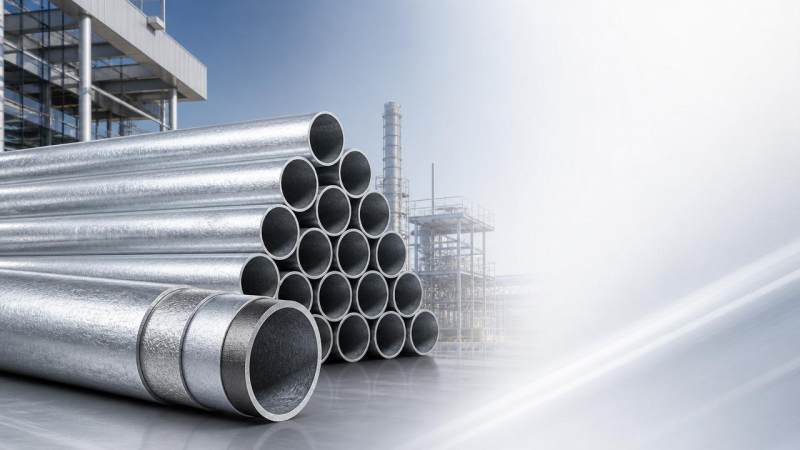
Galvanized carbon steel pipe is carbon steel protected by a zinc coating. That coating acts as the first barrier against water, oxygen, and corrosive exposure.
When the surface remains intact, zinc slows direct contact between the base steel and the environment. This greatly delays visible rust compared with uncoated carbon steel pipe.
Zinc also provides sacrificial protection. If small scratches appear, nearby zinc corrodes first, helping protect the exposed steel area for a limited period.
This is why galvanized carbon steel pipe is common in structural, utility, construction, and light industrial applications where moderate corrosion resistance is needed.
However, galvanizing does not make steel permanent or rust-proof forever. It extends service life, but actual performance depends on where and how the pipe is used.
How long does galvanized carbon steel pipe usually last before rust appears?
There is no single lifespan for galvanized carbon steel pipe. In dry indoor conditions, the coating may protect the pipe for decades before serious rust develops.
In covered outdoor areas, performance is still strong, especially when rainwater does not stay on the surface and airflow allows quick drying.
In wet, coastal, or chemical environments, rust can appear much earlier. Salt, standing water, acidic exposure, and condensation accelerate zinc consumption.
As a practical reference, service life may range from several years in harsh conditions to several decades in mild environments.
Visible white rust on zinc is not the same as red rust on steel. White corrosion products often appear first and signal coating wear.
Red rust means the zinc layer has been consumed or damaged enough for the underlying steel to corrode. At that point, service life is clearly declining.
Typical environment-based expectations
Which factors most affect galvanized carbon steel pipe durability?
The first key factor is zinc coating thickness. A heavier zinc layer generally gives galvanized carbon steel pipe more time before the base steel begins to rust.
The second factor is environment severity. Humidity, chloride exposure, industrial pollution, and repeated wetting increase the corrosion rate.
The third factor is surface condition. Scratches, rough handling, poor storage, and improper cutting can expose steel and shorten protection.
Design details also matter. Water traps, closed sections without drainage, and contact between incompatible metals can speed corrosion.
Temperature changes create condensation. Even indoor installations may corrode faster if pipes stay damp around joints, supports, or insulation gaps.
Manufacturing quality remains critical. Uniform coating, clean steel surface preparation, and compliance with ASTM, EN, JIS, or GB standards support better consistency.
A related galvanized steel option for broader projects
Many projects using galvanized carbon steel pipe also need sheet materials for cladding, forming, or fabricated components.
In those cases, Gi Sheet Coil can support building processing and construction applications with reliable corrosion protection.
Available grades include DX52D and SGCD1, with thickness from 0.12mm to 3.5mm and width from 600mm to 1500mm.
Its zinc layer can reach 60-275g/m² for hot galvanizing and 80-275g/m² for pre-galvanized material, depending on project needs.
Good processing and welding performance make it suitable where galvanized steel parts must work together in one corrosion-control system.
Is galvanized carbon steel pipe suitable for outdoor, industrial, or coastal use?
Yes, but suitability depends on exposure level and expected life. Galvanized carbon steel pipe performs well outdoors when water drains easily and maintenance is practical.
For urban and general construction use, it often provides a good balance between cost and corrosion resistance.
In industrial environments, sulfur compounds, chemical vapors, and airborne particles can reduce zinc life faster than many users expect.
Coastal locations are even more demanding. Salt carried by wind settles on steel surfaces and keeps corrosion active, especially in humid conditions.
If the project is near seawater, offshore, or exposed to spray, galvanized carbon steel pipe may need heavier coatings or additional paint systems.
Where failure risk is high, compare galvanizing with stainless steel, epoxy-coated systems, or duplex protection combining zinc and paint.
Quick suitability guide
- Good choice: dry indoor structures, covered frames, light outdoor support systems.
- Use with caution: high humidity workshops, polluted industrial zones, agricultural buildings.
- Consider upgrades: marine sites, chemical plants, permanent wet service, buried exposure without extra protection.
How can you tell whether galvanized carbon steel pipe is enough for a project?
Start with service environment. Ask how often the pipe will be wet, whether salt is present, and whether pollutants or chemicals contact the surface.
Next, define the required lifespan. A short-term support structure and a long-term exposed installation should not use the same corrosion assumptions.
Then review coating specifications, not only the base steel grade. Zinc mass, galvanizing method, and standard compliance influence durability.
Fabrication steps must also be considered. Welding, drilling, threading, and cutting can damage the coating and create weak points if not treated correctly.
Inspection plans matter too. If regular checks are easy, galvanized carbon steel pipe may remain economical even in moderately aggressive locations.
If maintenance is difficult or shutdown costs are high, selecting a higher-protection system may deliver better long-term value.
Decision checklist
What mistakes shorten the life of galvanized carbon steel pipe?
One common mistake is assuming all galvanized carbon steel pipe has the same zinc thickness. Coating level differences directly affect corrosion resistance.
Another mistake is poor storage before installation. Bundles left in trapped moisture can develop white rust even before they reach service.
Improper contact with dissimilar metals may cause galvanic corrosion. This becomes more serious when moisture creates an electrical path.
Designing without drainage is also risky. Standing water at supports, clamps, and horizontal surfaces accelerates coating breakdown.
Unprotected welding, cutting, or threading is another issue. These operations remove zinc and should be followed by suitable repair treatment.
Finally, maintenance is often delayed until red rust appears. Earlier inspection gives more options and lower repair cost.
Practical maintenance reminders
- Keep surfaces clean where dust, salt, or residue can hold moisture.
- Inspect welded and cut areas first.
- Prevent water traps in supports and fittings.
- Repair coating damage before red rust spreads.
Final answer: how long does galvanized carbon steel pipe resist rust?
Galvanized carbon steel pipe can resist rust for many years, and sometimes decades, when coating quality matches the service environment.
In mild indoor or sheltered conditions, it often delivers long, cost-effective performance. In coastal, wet, or polluted settings, life becomes much shorter.
The best approach is not asking for one universal number. Instead, evaluate zinc coating, exposure conditions, fabrication details, and maintenance access together.
For steel projects that require dependable galvanized materials, Hongteng Fengda provides structural steel products and customized solutions aligned with major international standards.
Review the project environment carefully, confirm corrosion expectations early, and choose a steel solution that balances durability, cost, and service reliability.
Please give us a message


Please enter what you want to find