When choosing roofing, wall panels, or decorative metal products, many buyers want to know how long color coated steel can resist fading in real outdoor conditions. The answer depends on coating type, paint quality, UV exposure, climate, and maintenance. High-quality color coated steel manufactured under strict standards can keep its appearance for many years while providing strong corrosion resistance and reliable performance. In this guide, we explain the key factors that affect color retention and how to select durable steel materials for long-term value.
Why a Checklist Matters for Color Coated Steel Fading
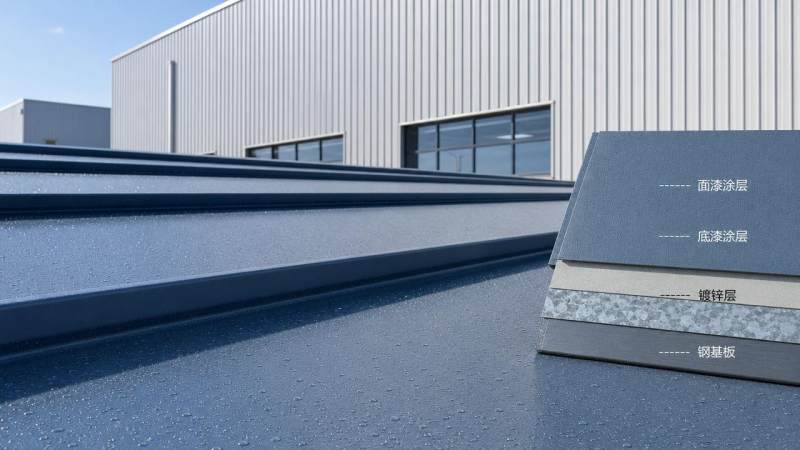
Fading is not only a visual issue. It can signal coating aging, pigment breakdown, or surface chalking on color coated steel.
A checklist helps compare products beyond price. It also reduces risk when selecting steel for exposed roofs, facades, and industrial panels.
In normal outdoor service, good color coated steel can resist noticeable fading for 10 to 20 years.
Premium systems using PVDF or high-durability polyester may perform longer under suitable installation and regular cleaning.
However, coastal salt, strong ultraviolet radiation, acid rain, and high temperatures can shorten the visible color life.
Core Checklist for Evaluating Fade Resistance
- Confirm the paint system first, because PVDF, SMP, HDP, and polyester coatings deliver different UV resistance, gloss retention, and service expectations.
- Check the coating thickness, since insufficient topcoat or primer thickness reduces weathering resistance and accelerates fading on color coated steel panels.
- Review pigment quality carefully, because inorganic pigments usually offer better color stability than low-grade organic pigments in intense sunlight.
- Match the substrate protection to the environment, especially when color coated steel is used near the sea or chemical facilities.
- Ask for weathering test data, including UV exposure, salt spray, humidity resistance, gloss retention, and color difference reports.
- Specify the installation direction, because south-facing roofs and walls usually receive stronger sunlight and fade faster than shaded surfaces.
- Evaluate the warranty terms, but read the exclusions for coastal areas, industrial pollution, improper cutting, and poor maintenance.
- Plan routine cleaning, because accumulated dirt, salt, chemicals, and organic deposits can damage the coating and change the visible color.
1. Choose the Right Paint System
The paint system is the main factor controlling how long color coated steel resists fading.
Polyester is cost-effective for moderate environments. It is common in general roofing, interior panels, and short-to-medium service projects.
SMP offers better hardness and weatherability. It suits agricultural buildings, warehouses, and commercial wall cladding with stronger exposure.
HDP provides improved UV resistance. It is suitable where color coated steel must keep a stable appearance for longer periods.
PVDF is often selected for premium facades. It offers excellent chalking resistance, color retention, and long-term outdoor durability.
2. Compare Color, Gloss, and Exposure
Dark colors absorb more heat. They may show fading, chalking, and gloss loss earlier than light colors.
Bright red, blue, and green shades need stable pigments. Low-quality pigments can fade quickly under strong UV radiation.
Gloss level also matters. High-gloss color coated steel may show surface aging more visibly than matte or textured finishes.
When appearance is critical, request approved color samples and define acceptable color difference limits before mass production.
Material Base and Protective Layers
Fade resistance depends on the paint, but the metal base also affects long-term performance.
If the substrate corrodes, the coating may blister, peel, stain, or lose its smooth appearance.
For projects requiring reliable substrate protection, Galvanized Steel Sheet can support durable painted or formed steel solutions.
Available grades include DX51D, SGCC, DX52D, DX53D, S350GD, S550GD, and related ASTM, EN, JIS, and GB specifications.
Typical thickness ranges from 0.12mm to 6.00mm, with widths from 600mm to 1500mm and lengths from 1m to 12m.
The zinc layer can reach 60–275g/m² for hot galvanizing, helping resist atmospheric corrosion before surface finishing.
Yield strength can be ≥240–380 MPa, tensile strength ≥270–500 MPa, and elongation ≥22%, depending on grade.
Such specifications are useful for construction, transportation, energy, home appliances, agriculture, and industrial applications requiring formability and protection.
Different Application Scenarios
Roofing and Wall Cladding
Roofing usually receives direct sunlight, rain, and temperature cycling. This makes color coated steel fade faster than sheltered wall panels.
For exposed roofing, choose HDP or PVDF when long color life is required. Also confirm roof slope and drainage design.
Coastal and Marine Environments
Salt particles can remain on the surface and accelerate coating degradation. Coastal color coated steel needs stronger substrate protection.
Specify heavier metallic coating, suitable primer, and regular freshwater cleaning. Avoid cut edges left unprotected after installation.
Industrial and Chemical Areas
Industrial emissions may contain sulfur, acids, oils, or chemical dust. These pollutants reduce gloss and stain the coating surface.
Select color coated steel with verified chemical resistance. Review nearby processes before deciding coating grade and maintenance frequency.
Agricultural Buildings
Animal housing often contains ammonia, moisture, and organic acids. These conditions can damage ordinary painted steel quickly.
Use coating systems designed for agricultural corrosion. Improve ventilation to reduce condensation and chemical accumulation on panels.
Common Overlooked Risks
Ignoring local sunlight intensity: UV levels vary by region. High-altitude and tropical projects need stronger color coated steel weathering performance.
Using incompatible accessories: Screws, sealants, and flashings should match the panel system. Poor accessories can cause staining and coating damage.
Cutting panels without edge protection: Exposed edges can corrode first. Rust marks may spread visually and make fading appear worse.
Storing coils incorrectly: Moisture trapped between sheets can create white rust, stains, or coating defects before installation begins.
Cleaning with harsh chemicals: Strong solvents, abrasive brushes, and alkaline cleaners may weaken the paint film and reduce color retention.
Practical Selection and Maintenance Steps
- Define the service environment, including UV intensity, rainfall, salt exposure, industrial pollution, temperature range, and expected design life.
- Select the coating grade according to exposure, not only based on initial price or general product descriptions.
- Request technical data sheets showing coating type, primer, topcoat thickness, substrate grade, and applicable international standards.
- Approve real samples under natural light, because indoor lighting can hide differences in color, gloss, and texture.
- Protect panels during transport and storage, keeping packages dry, ventilated, and away from chemical contamination.
- Install panels with proper tools, avoiding scratches, metal filings, and uncontrolled cutting heat near the coated surface.
- Wash surfaces periodically using clean water and mild detergent, especially in coastal, dusty, or polluted environments.
A realistic maintenance plan can extend the visible life of color coated steel and protect the investment.
Inspections should focus on roof edges, fasteners, overlaps, gutters, shaded damp zones, and areas exposed to chemical deposits.
Early correction of scratches, loose fasteners, or blocked drainage prevents small defects from becoming widespread coating failure.
How Long Can Color Coated Steel Resist Fading?
In mild inland conditions, standard polyester color coated steel may keep acceptable color for about 8 to 12 years.
Better SMP or HDP systems can often maintain appearance for 12 to 20 years when installed and cleaned properly.
PVDF color coated steel can provide longer color retention, especially on premium architectural facades and high-visibility buildings.
These ranges are practical estimates, not absolute guarantees. Real performance depends on environment, coating formula, and workmanship.
To improve durability, align coating grade, substrate protection, color choice, and maintenance with the project’s exposure level.
Summary and Next Steps
Color coated steel can resist fading for many years when the coating system matches the environment and installation quality is controlled.
The most important checks are paint type, coating thickness, pigment stability, substrate protection, weathering data, and maintenance planning.
For demanding roofing, cladding, industrial, or agricultural projects, avoid judging color coated steel by price alone.
Compare technical specifications, request samples, confirm standards, and choose a supplier with stable production and strict quality control.
Hongteng Fengda supports global steel projects with structural steel products, customized solutions, and dependable quality aligned with international standards.
Use this checklist before ordering color coated steel, and match every material decision to climate, appearance goals, and service life expectations.
Please give us a message


Please enter what you want to find