For users and operators working in demanding environments, roofing performance is directly tied to safety, maintenance, and long-term project value.
Galvanized steel roofing sheets are widely chosen because their zinc-coated surface helps resist corrosion, heavy rain, strong wind, heat, and changing temperatures.
Understanding how these sheets perform in harsh weather can support better material selection, fewer repairs, and stronger building protection.
How Galvanized Steel Roofing Sheets Handle Harsh Weather
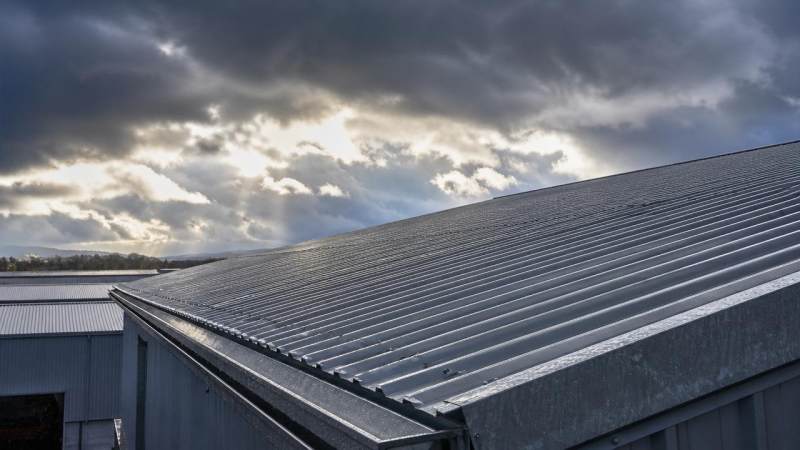
Weather resistance has become a larger concern as buildings face heavier rainfall, stronger sunlight, and wider temperature swings.
In this environment, galvanized steel roofing sheets offer a practical balance of durability, structural strength, and controlled ownership cost.
Their performance comes from the steel base and zinc coating working together under changing outdoor stress.
Weather Patterns Are Changing Roofing Expectations
Industrial roofs now need to handle more than routine rain and sunshine.
Storm cycles, coastal humidity, acid rain, dust, and thermal movement all create pressure on roof materials.
Galvanized steel roofing sheets answer this shift by combining corrosion defense with mechanical reliability.
They are used across warehouses, workshops, farms, logistics buildings, temporary structures, and light industrial facilities.
The trend is not only about stronger roofs.
It is also about predictable maintenance, faster installation, and fewer service interruptions after severe weather.
Why Zinc Coating Matters in Harsh Conditions
The key advantage of galvanized steel roofing sheets is the zinc layer bonded to the steel surface.
Zinc creates a barrier that slows contact between moisture, oxygen, and the steel substrate.
When small scratches occur, zinc can provide sacrificial protection around exposed areas.
This helps delay rust formation and supports longer roof service life.
Rain, Humidity, and Corrosion Resistance Are Central Issues
Moisture is the most common enemy of steel roofing systems.
Galvanized steel roofing sheets are designed to resist this threat through surface protection and drainage-friendly profiles.
When rainwater drains quickly, standing water is reduced and corrosion pressure decreases.
Good roof pitch, correct overlap, and sealed fasteners make this protection more effective.
In coastal or high-humidity areas, coating weight and maintenance planning become especially important.
A thicker zinc coating usually gives galvanized steel roofing sheets better long-term resistance against aggressive moisture.
Wind Resistance Depends on Material and Installation Quality
Wind performance is not determined by sheet material alone.
Fastener spacing, roof slope, profile shape, edge details, and supporting structure all affect uplift resistance.
Galvanized steel roofing sheets provide a strong base for reliable fastening because steel resists deformation better than many lightweight alternatives.
During storms, poor edge fixing often causes early failure.
Stronger perimeter fastening and compatible screws help galvanized steel roofing sheets remain stable under wind pressure.
Regular inspection after major storms also helps detect loosened fasteners before damage spreads.
Temperature Swings Are Driving Better Roof Design
Hot days and cold nights create expansion and contraction in metal roofing.
Galvanized steel roofing sheets can handle these movements when fixing systems allow controlled thermal movement.
Improperly installed sheets may develop noise, fastener stress, or water leakage over time.
This is why installation details now receive more attention in steel roofing projects.
Insulation layers, ventilation gaps, and reflective finishes can also improve indoor comfort.
These measures help galvanized steel roofing sheets perform better in hot industrial or agricultural environments.
What Is Pushing Wider Use of Steel Roofing
The shift toward galvanized steel roofing sheets is linked to several practical forces.
- Longer building cycles require materials with stable service performance.
- Industrial projects need roofs that reduce weather-related downtime.
- Cost pressure favors materials with manageable maintenance needs.
- Construction schedules benefit from quick sheet installation.
- International projects need consistent specifications and quality traceability.
These drivers show why roofing choices are becoming more data-based and lifecycle-focused.
How Structural Steel Supply Supports Roofing Reliability
Roofing performance also depends on the steel framework below the sheets.
Purlins, beams, channels, and brackets must support wind load, snow load, and installation stress.
Hongteng Fengda supplies structural steel products and customized solutions for construction, industrial, and manufacturing projects worldwide.
Its product range includes angle steel, channel steel, steel beams, cold formed profiles, and customized structural components.
For projects requiring plate or coil-based processing, Flat Rolled Steel Coil can support fabricated parts and structural applications.
Available grades include A36, Q235, and S235JR, with hot rolling and cold rolling options.
The material supports welded, bolted, or riveted construction, helping build lighter yet reliable steel structures.
Typical standards include AISI, ASTM, ASME, DIN, BS, EN, ISO, JIS, GOST, and SAE.
Impacts on Construction, Maintenance, and Operations
The rise of galvanized steel roofing sheets affects several project stages.
During design, roof load, slope, drainage, coating weight, and climate exposure need earlier evaluation.
During installation, workmanship directly affects weather resistance and service life.
During operation, maintenance shifts from emergency repair to planned inspection.
- Construction teams gain faster roof coverage when sheet dimensions are coordinated early.
- Facility operators gain easier inspection routines for rust, fasteners, and seals.
- Project owners gain better cost predictability over the roof lifecycle.
Key Selection Points for Severe Weather Areas
Choosing galvanized steel roofing sheets should be based on local weather exposure and building use.
A roof for a dry inland warehouse may need different specifications from a coastal factory.
- Check coating weight according to humidity, salt exposure, and expected service life.
- Match sheet thickness with span, load, and impact risk.
- Select profiles that improve drainage and resist wind uplift.
- Use compatible fasteners, washers, sealants, and flashing materials.
- Plan safe access for future inspection and cleaning.
These checks help galvanized steel roofing sheets deliver the intended protection in harsh weather.
Practical Response Strategy for Future Roofing Projects
This approach turns weather resistance into a measurable project requirement instead of a general expectation.
Long-Term Outlook for Galvanized Steel Roofing Sheets
Demand for galvanized steel roofing sheets is likely to remain strong where durability and installation efficiency matter.
More projects will compare roofing materials through lifecycle value rather than only initial price.
This favors materials that resist corrosion, protect assets, and reduce unexpected repair needs.
Standards compliance will also become more important in international construction and industrial projects.
Suppliers with stable production, quality control, and export experience can help reduce sourcing risk.
Hongteng Fengda supports global projects with reliable structural steel products and customized steel solutions.
Next Steps for Better Weather-Resistant Roofing
Before selecting galvanized steel roofing sheets, confirm the climate conditions, roof structure, load requirements, and maintenance expectations.
Then match sheet specifications with compatible structural steel, fasteners, insulation, and drainage design.
For industrial or construction projects, early coordination with a qualified structural steel supplier can reduce delays and specification gaps.
With the right design and supply support, galvanized steel roofing sheets can provide dependable protection against harsh weather.
Please give us a message


Please enter what you want to find