How Galvanized Steel Roofing Sheets Affect Roof Lifespan
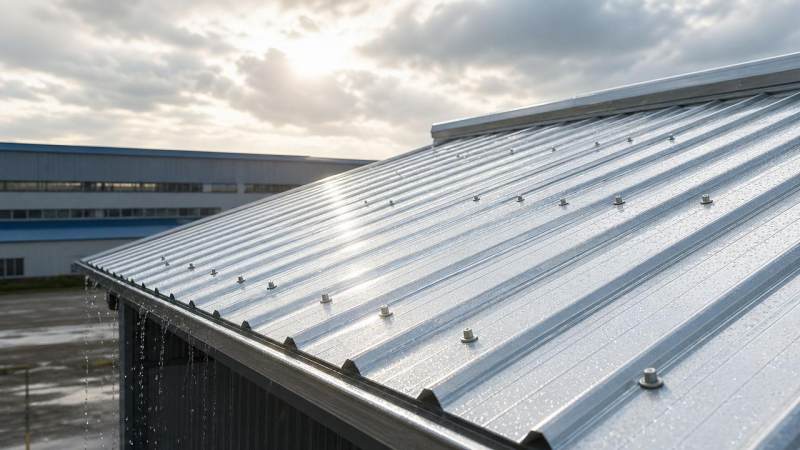
Choosing the right roofing material can make a major difference in how long your roof protects your home or building. Galvanized steel roofing sheets are widely valued for their corrosion resistance, strength, and low maintenance needs, especially in areas exposed to rain, humidity, or changing weather. By understanding how zinc coating, sheet thickness, installation quality, and maintenance affect performance, property owners can make smarter decisions that extend roof lifespan and reduce long-term repair costs.
Why a Checklist Matters for Galvanized Steel Roofing Sheets
Galvanized steel roofing sheets perform well because the zinc layer shields the steel base from moisture, oxygen, and surface corrosion.
However, lifespan is not decided by material alone. Coating grade, profile design, fastening, drainage, and maintenance all affect roof durability.
A checklist helps compare roofing options before purchase. It also reduces installation mistakes that shorten service life.
For industrial buildings, warehouses, workshops, and residential roofs, galvanized steel roofing sheets can last decades when selected and installed correctly.
Core Checklist for Longer Roof Lifespan
- Check zinc coating weight first, because thicker galvanizing improves corrosion protection in humid, rainy, coastal, or chemically exposed environments.
- Confirm sheet thickness carefully, since thin galvanized steel roofing sheets may deform faster under wind, foot traffic, or heavy rainfall.
- Select the correct profile shape, as deeper ribs improve stiffness, drainage speed, and resistance to ponding on large roof spans.
- Match fasteners with roofing material, using corrosion-resistant screws, washers, and caps designed for galvanized steel roofing sheets.
- Plan roof slope properly, because insufficient pitch allows water retention, dirt buildup, and earlier zinc coating breakdown.
- Seal overlaps with compatible materials, preventing capillary leakage and avoiding sealants that react negatively with galvanized surfaces.
- Avoid cutting damage on site, and protect exposed edges with suitable coating to reduce rust starting points.
- Schedule seasonal inspections, especially after storms, to identify loose screws, scratched coating, blocked gutters, and damaged flashings.
Material Quality Points to Verify
Quality galvanized steel roofing sheets should have consistent coating, uniform thickness, clean edges, and reliable dimensional tolerance.
Ask for applicable standards, coating data, and production consistency. ASTM, EN, JIS, and GB references can support better specification control.
Hongteng Fengda supplies structural steel products from China for construction, industrial, and manufacturing projects requiring stable quality and dependable lead times.
How Zinc Coating Extends Service Life
The zinc layer on galvanized steel roofing sheets acts as a sacrificial barrier. It corrodes before the steel substrate does.
This process protects scratches and small exposed areas better than ordinary painted steel. That is why galvanizing is trusted for outdoor roofing.
In dry inland environments, galvanized steel roofing sheets usually age slowly. In coastal or industrial areas, coating selection becomes more critical.
Application Scenarios and Practical Notes
Residential Roofs
For homes, galvanized steel roofing sheets offer strong weather protection with lower maintenance than many traditional roof coverings.
Noise control, insulation, and condensation management should be planned together. Underlayment and ventilation improve comfort and roof longevity.
Industrial Buildings and Warehouses
Large-span buildings need galvanized steel roofing sheets with suitable rib height, load capacity, and fastening density.
Wind uplift, thermal expansion, and equipment penetrations should be reviewed before installation. These details often decide actual service life.
Agricultural and Humid Environments
In farms, storage sheds, and humid regions, galvanized steel roofing sheets face moisture, ammonia, dust, and organic residue.
Better ventilation, regular washing, and upgraded coating specifications help reduce premature corrosion in these demanding conditions.
For complementary screens, guards, or ventilation-related fabrication, 304 Stainless Steel Welded Mesh offers corrosion resistance, strength, and durability.
Its stainless steel wire structure supports filters, sieve uses, chemical industry, mine industry, architecture, and residence applications where airflow and protection matter.
Common Overlooked Risks That Shorten Roof Life
Using Incompatible Metals
Avoid direct contact between galvanized steel roofing sheets and incompatible metals such as copper. Galvanic corrosion can attack the zinc coating.
Ignoring Cut Edges
Factory-coated surfaces perform better than rough site cuts. Treat exposed edges after cutting to reduce rust initiation.
Overtightening Fasteners
Overtightened screws can damage washers and deform panels. Undertightened screws allow vibration, leakage, and water entry.
Poor Drainage Design
Even high-quality galvanized steel roofing sheets fail early when gutters clog or roof pitch allows standing water.
Skipping Maintenance Records
Keep inspection dates, repairs, and cleaning records. Documentation helps track roof condition and supports warranty discussions.
Execution Checklist Before Purchase and Installation
- Define the project environment, including rainfall, humidity, salt exposure, chemical fumes, wind load, and expected service life.
- Specify coating grade, sheet thickness, profile type, and length tolerance before confirming galvanized steel roofing sheets.
- Review roof slope, purlin spacing, overlap length, flashing design, and drainage path with the installation team.
- Use compatible fasteners and sealing accessories from the start, rather than replacing failed parts later.
- Inspect delivered sheets for coating damage, bending, wet storage stains, and packaging issues before installation.
- Clean the roof after installation, removing drilling swarf, metal chips, dust, and sealant residue from the surface.
Maintenance Actions That Protect Galvanized Steel Roofing Sheets
Inspect galvanized steel roofing sheets at least twice a year. Add inspections after severe storms, hail, or nearby construction work.
Remove leaves, branches, soil, and standing debris. Dirt holds moisture and accelerates localized corrosion.
Wash surfaces with mild detergent and clean water when pollution, salt, or chemical deposits are visible.
Repair scratches promptly with appropriate zinc-rich coating. Small defects are easier and cheaper to control early.
Check flashings, ridge caps, valleys, and penetrations. These areas face higher leakage risk than open sheet surfaces.
Summary and Next Step
Galvanized steel roofing sheets affect roof lifespan through corrosion resistance, structural strength, drainage behavior, and installation reliability.
A long-lasting roof starts with correct material specification. It continues with careful handling, precise fastening, and scheduled maintenance.
Before placing an order, compare coating grade, sheet thickness, profile design, standards, accessories, and project exposure conditions.
For construction and industrial sourcing, work with a steel supplier able to provide consistent quality, customized solutions, and dependable delivery.
Please give us a message


Please enter what you want to find