In wet environments, material selection directly affects structural durability, maintenance cost, and service continuity.
Galvanized steel channel remains a widely trusted option because it combines protective zinc coating with reliable load-bearing performance.
For steel structures exposed to rain, humidity, splash zones, or intermittent condensation, understanding real performance matters more than basic specification sheets.
This article explains how galvanized steel channel performs in wet environments, where it works best, and what practical details influence long-term results.
Performance Basics of Galvanized Steel Channel in Wet Conditions
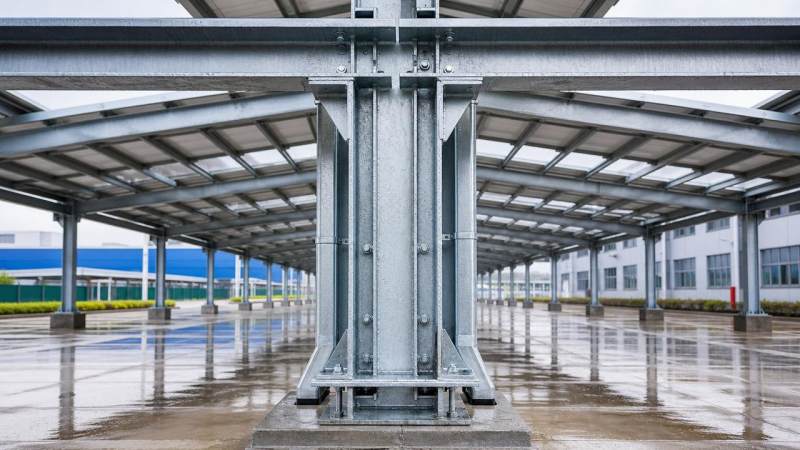
Galvanized steel channel is carbon steel shaped into a channel section and protected by a zinc coating.
That coating acts as a barrier between steel and moisture, slowing oxidation and limiting red rust formation.
In many cases, zinc also provides sacrificial protection.
If the surface is scratched lightly, nearby zinc can corrode first and help protect exposed steel.
This behavior makes galvanized steel channel especially useful in environments with frequent wetting and drying cycles.
Its performance depends on coating thickness, drainage design, ventilation, and the presence of salts or chemicals.
In plain rainwater exposure, galvanized steel channel usually lasts much longer than uncoated carbon steel.
It also reduces repainting needs compared with some conventional painted steel systems.
Why zinc coating matters
Zinc reacts with oxygen, moisture, and carbon dioxide to form a stable protective layer.
That layer slows further corrosion and improves service life in moderate wet exposure.
Hot-dip galvanizing generally provides thicker protection than lighter electro-galvanized finishes.
For outdoor structures, thicker coatings usually mean better long-term performance.
Industry Conditions That Influence Corrosion Behavior
Wet environments are not all the same.
The actual durability of galvanized steel channel changes according to moisture pattern, contamination level, and structural layout.
In construction and industrial projects, several exposure conditions deserve close attention.
- Rain-exposed outdoor framing usually performs well when water drains freely.
- Humid indoor plants may create persistent condensation on cool steel surfaces.
- Marine or coastal zones accelerate zinc consumption because of chlorides.
- Chemical processing areas may shorten coating life if acids or alkalis contact the surface.
- Poorly ventilated enclosed sections can trap water and increase localized corrosion risk.
These conditions explain why one galvanized steel channel installation may last decades, while another needs earlier inspection and repair.
Structural Value and Material Coordination in Steel Projects
Galvanized steel channel offers a practical balance of corrosion resistance, structural strength, fabrication convenience, and lifecycle economy.
It is commonly selected for supports, frames, secondary members, brackets, cable routes, equipment bases, and maintenance-access structures.
Its shape allows efficient load transfer while keeping installation flexible.
In many projects, galvanized steel channel works alongside plate, beam, and sheet materials to complete structural assemblies.
For example, platforms, machine housings, tanks, and protective covers often require coordinated use of channels and steel plate products.
Where wider fabricated parts are needed, Carbon Sheet Steel can support construction, shipbuilding, petroleum, chemical, and machinery applications.
Available grades include Q245R, Q345R, Q370R, 16MnDR, and alloy pressure-vessel options for demanding service requirements.
Thickness ranges from 1mm to 100mm, with multiple width and length options for fabricated assemblies.
This combination helps maintain design continuity when galvanized steel channel is part of a larger structural steel solution.
Manufacturing consistency also matters.
A professional structural steel manufacturer and exporter can provide standardized sections, OEM support, and compliance with ASTM, EN, JIS, and GB requirements.
That reduces sourcing uncertainty and improves fit across international projects.
Typical Wet-Environment Applications and Suitability
Galvanized steel channel is not limited to one sector.
It appears across building, infrastructure, industrial, and utility projects where moderate moisture exposure is expected.
Where caution is needed
Galvanized steel channel is strong, but no coating is universal.
High-salinity marine splash zones, aggressive chemical plants, and permanently submerged conditions may require heavier protection systems.
In these cases, duplex systems, stainless alternatives, or specialized coatings may be more suitable.
Practical Factors That Improve Service Life
Long-term performance depends as much on design and maintenance as on material selection.
Several practical steps can help galvanized steel channel perform better in wet environments.
- Choose the right galvanizing process and coating thickness for the exposure level.
- Avoid water traps at channel openings, connections, and horizontal surfaces.
- Provide drainage holes where fabrication details can retain moisture.
- Separate dissimilar metals when galvanic corrosion may occur.
- Inspect cut edges, weld areas, and bolt connections after installation.
- Clean deposits such as mud, salt, and chemical residue from exposed surfaces.
Attention to fabrication details is especially important.
If galvanized steel channel is cut, drilled, or welded after coating, those areas may need zinc-rich repair treatment.
Ignoring local damage can shorten service life even when the main surface remains protected.
Inspection, Maintenance, and Decision Guidance
Routine inspection helps confirm whether galvanized steel channel is aging normally or facing unusual corrosion stress.
Look for white rust, red rust at damaged areas, standing water, coating breakdown, or corrosion near fasteners and overlaps.
Maintenance planning should match the actual environment rather than a fixed calendar alone.
Locations with airborne salt, industrial fumes, or enclosed humidity usually need closer monitoring.
When evaluating a new project, compare expected moisture severity, design life, coating specification, and fabrication method together.
That approach leads to better material decisions than choosing by section size alone.
Galvanized steel channel performs well in many wet environments because it combines sacrificial protection with structural practicality.
Its best results come from proper coating selection, thoughtful drainage design, and regular inspection.
For projects requiring dependable structural steel supply, customized sections, and internationally aligned quality control, a qualified China-based exporter can support efficient planning and delivery.
Review exposure conditions early, confirm standards, and match galvanized steel channel specifications to the real service environment before fabrication begins.
Please give us a message


Please enter what you want to find