Choosing the right API steel pipe is a critical decision for controlling pipeline risk, ensuring compliance, and keeping construction schedules predictable.
From grade and wall thickness to coating, testing, and supplier reliability, every selection factor affects safety, service life, and total operating cost.
Practical API steel pipe selection helps reduce leakage, avoid delays, and support dependable pipeline delivery across oil, gas, water, and industrial systems.
How API steel pipe selection reduces pipeline risk in real projects
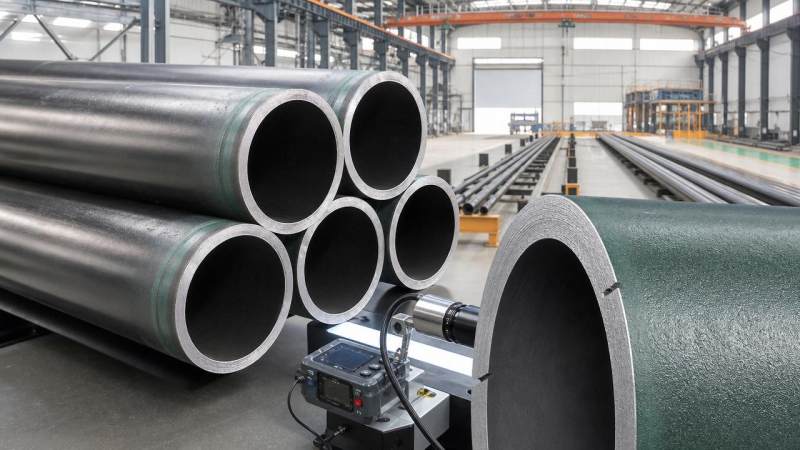
Pipeline risk rarely comes from one single defect. It often results from mismatched material, unclear design assumptions, weak inspection, or unsuitable protection.
API steel pipe reduces these risks when specifications match pressure, media, temperature, soil, welding method, and installation conditions.
A correct pipe choice creates a stronger risk barrier before procurement, fabrication, transportation, laying, hydrotesting, and commissioning begin.
For steel pipeline projects, selection should not start with price alone. It should begin with service conditions and failure consequences.
Scenario background: different pipelines create different pipe demands
API steel pipe is used in many pipeline scenarios, but each scenario has different stress, corrosion, quality, and documentation requirements.
A low-pressure water line, a crude oil line, and a sour gas line cannot be judged by the same checklist.
The right decision considers internal pressure, external load, bending stress, fluid chemistry, and the expected inspection frequency.
This is why API steel pipe selection should connect engineering design, manufacturing capability, coating choice, and delivery control.
Pressure, temperature, and media define the first risk boundary
Higher pressure requires stronger grade control, accurate wall thickness, and reliable mill testing. Temperature changes also affect toughness and weld performance.
When fluid contains water, chloride, sulfur, or abrasive solids, API steel pipe must be reviewed with corrosion allowance and coating compatibility.
Route conditions change the meaning of durability
Buried pipelines face soil corrosion, settlement, rock damage, and cathodic protection challenges. Above-ground pipelines face UV, impact, and temperature cycling.
A reliable API steel pipe specification includes both mechanical performance and surface protection for the actual route environment.
Typical pipeline scenarios and key selection points
Oil and gas transmission lines
Oil and gas transmission requires stable strength, controlled chemistry, impact toughness, and consistent dimensional accuracy.
For this scenario, API steel pipe selection should focus on grade, PSL level, weld seam quality, hydrostatic testing, and traceability.
Long-distance lines also require predictable delivery batches. Mixed production sources may increase welding variation and inspection complexity.
Low-pressure water, gas, and oil service
General low-pressure pipelines still need careful pipe selection. Leakage, corrosion, and poor thread or end preparation can create repeated maintenance costs.
API steel pipe can support safer low-pressure service when coating, end finish, length tolerance, and packing protection are properly defined.
For construction and industrial facilities, corrosion resistance often determines whether the pipeline remains stable after installation.
Chemical, coking, and heat-exchange related piping
Chemical and coking equipment may involve heat, condensate, oil washing, or corrosive gases. Material choice must reflect operating chemistry.
API steel pipe used near these systems should be checked for heat resistance, surface quality, test certificates, and fabrication compatibility.
Ignoring corrosion allowance or coating performance may cause early thinning, local leakage, or shutdown-related repair costs.
Support frames, trestle piles, and mining structures
Some pipeline-related projects require pipe for support frames, trestle piles, mining pits, and temporary structures.
Here, API steel pipe selection should include load path, impact exposure, weldability, straightness, and anti-corrosion protection.
Structural use does not remove quality requirements. It changes the focus from flow safety to load-bearing reliability.
Material grade, wall thickness, and coating decisions
Grade selection determines strength, toughness, and weldability. Over-specification may raise cost, while under-specification may increase failure probability.
Wall thickness should reflect design pressure, corrosion allowance, manufacturing tolerance, bending load, and installation damage risk.
API steel pipe with insufficient thickness may pass initial inspection but fail earlier under corrosion, vibration, or pressure cycling.
Coating selection is equally important. Bare steel may be acceptable only where corrosion exposure is controlled and maintenance access is easy.
Galvanizing, painting, external wrapping, or specialized coatings should be chosen according to soil, atmosphere, moisture, and handling conditions.
When galvanized steel solutions support corrosion control
In related steel infrastructure, galvanized products can reduce corrosion risk and extend service life in demanding environments.
Hongteng Fengda supplies Galvanized Steel Electrical Conduit for construction, light industry, agriculture, transportation, and industrial applications.
The DX52D galvanized steel option offers tensile strength of at least 520MPa and thickness tolerance around ±0.15mm.
Available sizes include 1–12m length, 0.6–3m width, and customized thickness ranges according to project requirements.
Hot-dipped or electroplated protection improves corrosion resistance, while export seaworthy packing supports safer international transportation.
This type of corrosion-focused steel solution reflects the same principle used in API steel pipe selection: match material protection to service exposure.
Different scenario requirements compared
This comparison shows why one API steel pipe specification cannot fit every pipeline environment without careful engineering review.
Scenario-based API steel pipe adaptation suggestions
- Define the transported medium before confirming grade, coating, and wall thickness.
- Confirm pressure rating, design temperature, and corrosion allowance before price comparison.
- Require mill test certificates, heat numbers, and clear traceability for every batch.
- Match API steel pipe ends to welding, threading, grooving, or coupling requirements.
- Check coating repair methods before site installation begins.
- Review packing, loading, and seaworthy protection for international shipments.
These actions reduce uncertainty before materials arrive on site. They also prevent expensive rework during installation.
For large projects, API steel pipe selection should include sample approval, inspection plans, and delivery schedule control.
Common misjudgments that increase pipeline risk
Choosing by nominal size only
Nominal diameter is not enough. Wall thickness, ovality, straightness, and end preparation affect welding quality and installation speed.
API steel pipe should be checked against detailed dimensional tolerances, not only the basic pipe size shown on drawings.
Ignoring coating damage during transport
A high-quality coating can still fail if pipes are stacked, lifted, or shipped without proper protection.
Seaworthy packing, end protection, bundling method, and unloading procedures should be part of the purchasing specification.
Accepting incomplete documentation
Missing certificates make quality disputes harder to solve. They also delay project approval and final acceptance.
Reliable API steel pipe supply should include inspection records, test reports, standard compliance, and batch traceability.
Separating supplier capability from technical selection
Even a correct specification can fail if production capacity, quality control, or delivery reliability is weak.
Supplier evaluation should cover manufacturing equipment, inspection process, export experience, communication speed, and standard familiarity.
Why stable steel supply lowers execution risk
Pipeline risk also includes schedule risk. Late delivery can disrupt welding teams, equipment rental, coating work, and site coordination.
Hongteng Fengda supports global steel projects with structural steel products, customized components, and reliable export service from China.
The company supplies angle steel, channel steel, steel beams, cold formed profiles, and customized structural steel solutions.
Products can comply with major standards, including ASTM, EN, JIS, and GB, depending on project requirements.
For API steel pipe projects, dependable sourcing helps reduce quality variation, avoid documentation gaps, and maintain planned lead times.
Practical next steps for safer API steel pipe selection
- List the medium, pressure, temperature, route, and service life target.
- Confirm the required API steel pipe grade, wall thickness, and testing level.
- Define coating, packing, end finish, and inspection requirements in writing.
- Review supplier certificates, production capacity, and export project experience.
- Approve samples, drawings, and inspection plans before mass production.
A safer pipeline starts with disciplined material decisions. API steel pipe should be selected by scenario, not by price alone.
Clear specifications, verified testing, suitable corrosion protection, and reliable supply create a stronger foundation for pipeline performance.
For steel pipeline or structural steel sourcing, prepare the service conditions and standards first, then request a technical quotation.
Please give us a message


Please enter what you want to find