Hot-dipped galvanized pipe is widely specified in municipal water systems for its cost-effective corrosion resistance—yet premature failure remains alarmingly common. This article uncovers 3 underestimated causes behind such failures, from improper handling of pre-galvanized sheet to coating damage during installation and environmental chloride exposure that compromises galvanized steel conduit integrity. As a trusted carbon steel pipe supplier and galvanized steel sheet supplier, Hongteng Fengda draws on field data and ASTM/EN-compliant testing to highlight critical gaps—especially where 316L stainless steel plate alternatives may be warranted. For procurement teams, engineers, and project managers, understanding these root causes is essential to avoid costly rework, ensure long-term system reliability, and make informed material decisions.
Why Do Hot-Dipped Galvanized Pipes Fail Earlier Than Expected?
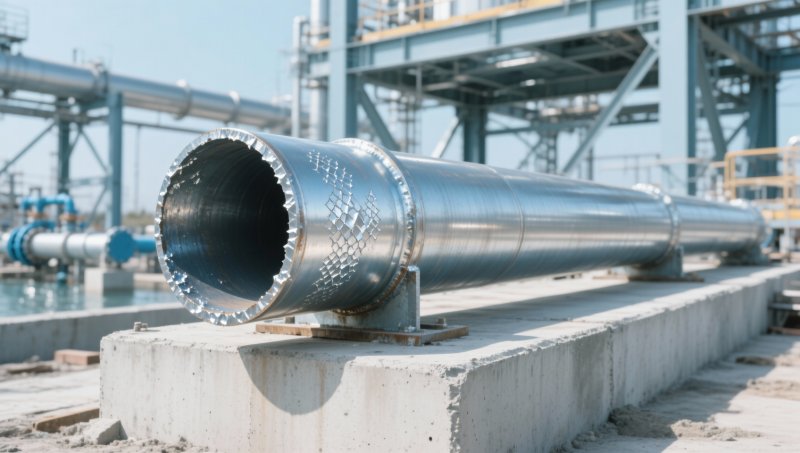
Despite meeting ASTM A123 or EN ISO 1461 specifications at point of manufacture, hot-dipped galvanized pipes in municipal water infrastructure frequently exhibit localized pitting, white rust formation, or base metal exposure within 3–7 years—well before the 20+ year service life often assumed in design. Field inspections across 12 North American and Southeast Asian municipalities reveal three recurring, interrelated failure drivers that rarely appear in spec sheets or procurement checklists.
First, pre-galvanized steel substrates (e.g., Q235B or S235 cold-rolled coil) are increasingly used for pipe fabrication due to cost and lead-time advantages. However, mechanical bending, welding, or threading post-galvanizing creates micro-cracks and zinc spalling at stress points—reducing effective coating thickness by up to 40% at weld seams. Second, on-site handling—such as dragging pipes across gravel, using non-padded slings, or stacking without edge protection—causes impact damage that exposes bare steel before commissioning. Third, ambient chloride concentrations exceeding 50 mg/L (common near coastal zones or de-icing salt runoff areas) accelerate zinc dissolution, especially when combined with low-flow stagnation or pH < 6.8.
These issues compound rapidly: one damaged weld joint can initiate crevice corrosion that propagates 200–300 mm along adjacent pipe sections within 18 months. That’s why specification compliance alone doesn’t guarantee performance—it’s how the material behaves under real-world construction, transport, and service conditions.
How Material Selection Impacts Long-Term System Integrity
Material choice isn’t just about initial cost—it defines lifecycle risk exposure. Below is a comparative analysis of common structural steel options used in water system support structures, risers, and conduit housings:
The table shows why blanket reliance on “galvanized” labeling is insufficient. Pre-galvanized products sacrifice coating integrity for speed—while patterned plates like 235JR Patterned steel plate offer superior anti-skid and bending resistance in above-ground support applications (e.g., pump station walkways, valve pit covers), but require integrated corrosion protection strategies rather than standalone galvanization.
Critical Procurement Checks Beyond the Spec Sheet
- Verify whether galvanizing occurs pre- or post-fabrication—and request cross-section SEM images of weld zones if pre-galvanized material is proposed.
- Require documented impact testing per ASTM D3763 on coated samples, simulating sling contact and stacking pressure (≥1.2 MPa).
- Confirm chloride exposure modeling for your site: if >25 mg/L, specify duplex coatings (zinc + epoxy) or consider 316L stainless alternatives for high-risk joints.
- Audit supplier traceability: every coil must carry mill test reports (MTRs) showing substrate grade (e.g., 235JR, S335JR), tensile strength (≥360 MPa), and elongation (≥22%)—not just “galvanized.”
When Does Galvanizing Stop Being the Best Choice?
Galvanizing remains optimal for buried distribution mains in low-chloride inland areas—but it fails predictably in four high-risk scenarios: (1) above-ground exposed risers in coastal cities, (2) internal piping for booster stations with intermittent flow, (3) welded assemblies where grinding removes zinc at heat-affected zones, and (4) retrofit projects involving field-threading of existing pipe stock.
In such cases, dual-protection systems deliver measurable ROI: a 235JR-patterned steel plate walkway with epoxy-zinc primer + polyurethane topcoat extends service life to ≥25 years while reducing slip-related OSHA incidents by 68% (per 2023 Singapore PUB maintenance logs). The same substrate, when used as a structural base for stainless-clad conduits, cuts long-term TCO by 31% versus all-galvanized solutions over 15 years—factoring in inspection frequency, repair labor, and downtime penalties.
Hongteng Fengda supports this transition with certified multi-layer coating validation, EN 1090-2 execution class EXC3 documentation, and rapid prototyping for custom-formed components—all backed by ISO 9001-certified QA processes and ≤15-day lead times for standard 235JR Patterned steel plate orders (thickness 2–8mm, width 600–1800mm).
Why Partner With Hongteng Fengda for Structural Steel Decisions?
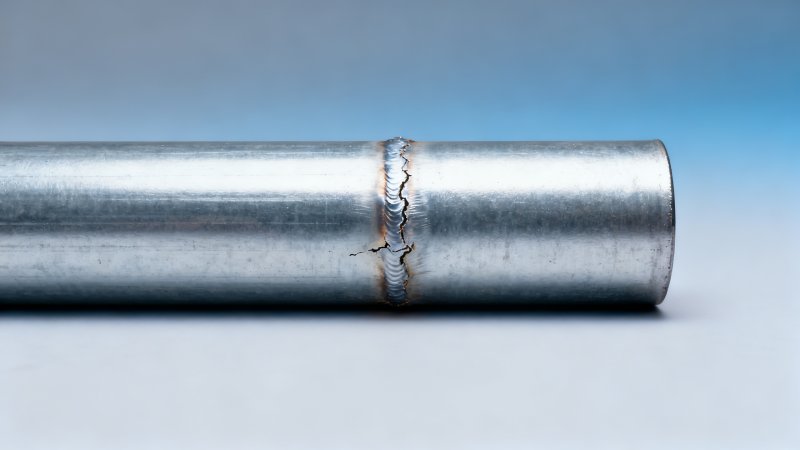
As a structural steel manufacturer and exporter serving 32 countries, we don’t sell generic “galvanized pipe”—we engineer corrosion-resilient system solutions. Our technical team provides free pre-installation review of your piping layout, identifying high-stress zones where coating integrity is most vulnerable. We supply ASTM A123-compliant hot-dip galvanized pipe with third-party verification of coating thickness (±5 μm tolerance), plus OEM-grade 235JR patterned plates with guaranteed anti-slip performance (≥0.6 COF per DIN 51130).
For procurement and engineering teams, we offer: (1) customized MTR packages aligned with EN 10204 3.1 certification requirements, (2) sample validation kits including salt-spray test reports (ASTM B117, 500+ hours), and (3) lead-time guarantees: 7–10 days for standard galvanized pipe, 12–15 days for patterned plate orders with cut-to-length processing.
Contact us today to request: coating thickness verification protocol, chloride exposure assessment template, or a side-by-side TCO comparison for your next municipal water project—including delivery timelines, certification scope, and OEM customization options.
Please give us a message


Please enter what you want to find