When sourcing Hot Dipped-Galvanized Pipe, many procurement managers and technical evaluators mistakenly equate 'double-dip' with enhanced corrosion resistance—yet this claim often reflects marketing language, not ASTM or EN-compliant galvanizing practice. As a trusted structural steel manufacturer & exporter from China, Hongteng Fengda clarifies common misinterpretations around hot dip galvanizing, especially for steel channel for construction projects, angle steel vs channel steel differences, and international standards for structural steel products. Understanding true coating thickness, adherence to ASTM A123/A153, and MOQ requirements for structural steel orders is critical—whether you’re buying angle steel online or evaluating seamless pipe for oil and gas applications.
What “Double-Dip” Really Means—and Why It’s Misleading
The term “double-dip” is frequently used in sales materials to suggest superior protection—but it has no formal definition in ASTM A123 (for structural steel) or ASTM A153 (for hardware). In reality, hot dip galvanizing is a single, controlled immersion process where cleaned steel is fully submerged in molten zinc at ~450°C for precise dwell time (typically 3–8 minutes), followed by controlled cooling.
Repeated dipping introduces serious risks: excessive zinc buildup (>150 μm), brittle intermetallic layers, poor adhesion, and premature flaking—especially on complex sections like channel steel or angle steel. Re-galvanizing after damage is permitted only under strict EN ISO 1461 rework clauses—not as a routine enhancement.
True performance depends on three validated factors: surface preparation (SA 2.5 blast cleaning), bath chemistry (Zn ≥ 98.5%, Pb < 0.005%), and final coating thickness. For structural pipes used in coastal infrastructure or industrial plants, ASTM A123 specifies minimum average thicknesses: 85 μm for 6 mm+ steel, verified via magnetic induction gauges per ASTM E376.
How Real Galvanizing Compliance Differs From Marketing Claims
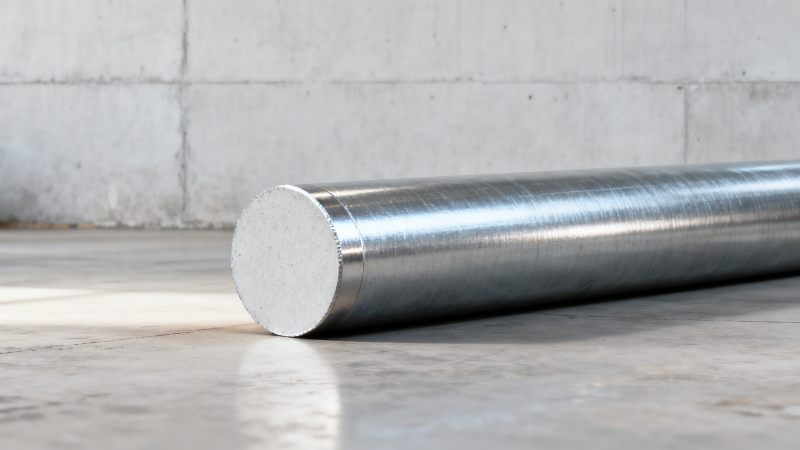
Below is a side-by-side comparison of industry-standard practices versus common “double-dip” assertions. This table reflects actual ASTM/EN test protocols—not promotional claims.
Misrepresenting process terminology undermines project integrity—especially for engineering-critical applications like power transmission towers or seismic-resistant frames. At Hongteng Fengda, every galvanized pipe batch undergoes independent lab verification against ASTM A123, with full traceability to heat number and bath log.
Where PPGL Steel Sheet Fits Into Corrosion-Resistant Structural Systems
While hot dip galvanized pipe serves primary load-bearing roles, secondary cladding and enclosure systems demand complementary corrosion solutions. That’s where PPGL Steel Sheet delivers measurable value: its aluminum-zinc alloy coating (55% Al, 43.4% Zn, 1.6% Si) offers >25 years service life in architectural applications—from greenhouses and chicken coops to hospitals and terminal buildings.
Unlike standard galvanizing, PPGL combines thermal reflectivity (up to 70% solar reflectance), heat resistance above 300°C, and factory-applied color consistency per RAL standards. Its 0.2–1.2 mm thickness range and trapezoidal/wavy profiles integrate seamlessly with cold-formed steel framing—reducing on-site labor by up to 40% versus traditional sheet metal installation.
For mixed-material structures—e.g., galvanized structural beams supporting PPGL roof cladding—Hongteng Fengda provides coordinated specification packages. This ensures galvanic compatibility, joint detailing compliance, and unified warranty coverage across both components.
Procurement Checklist: 5 Non-Negotiable Verification Steps
Before approving any galvanized pipe order—especially for international projects—verify these five points with your supplier:
- Request certified test reports per ASTM A123 Section 7, including thickness mapping (minimum 5 readings per pipe end) and adherence to SA 2.5 blast profile.
- Confirm bath chemistry logs are retained for ≥12 months and include daily Zn/Pb/Fe analysis—not just “zinc purity” statements.
- Validate that inspection occurs pre-shipping—not post-arrival—using calibrated magnetic gauges traceable to NIST or equivalent national labs.
- Check if the supplier holds ISO 9001 certification with explicit scope covering hot dip galvanizing, and whether their internal QA includes intermetallic phase testing.
- Verify MOQ flexibility: Hongteng Fengda supports structural steel orders from 5-ton trial batches to 500-ton project deliveries—with lead times of 25–35 days for standard sizes.
These checks prevent costly rework, delay penalties, or field rejection—particularly critical for North American DOT or EU CE-marked infrastructure tenders.
Why Global Projects Choose Hongteng Fengda for Structural Steel Integrity
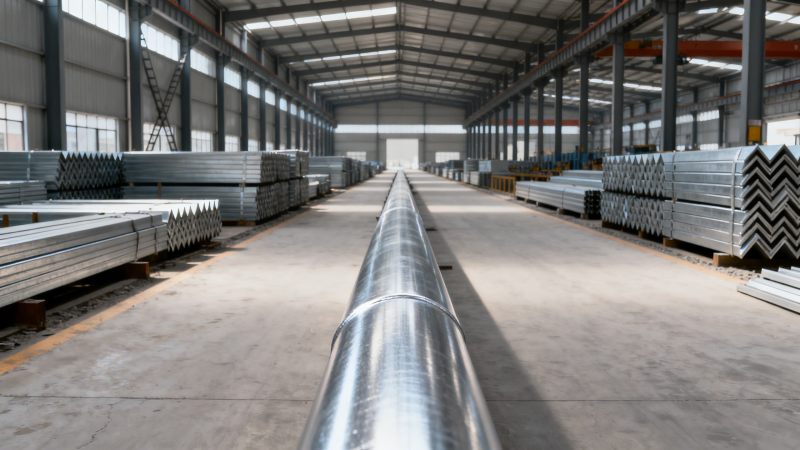
We don’t sell “double-dip” promises—we deliver verifiable, standards-aligned steel solutions. Our Tianjin-based facility operates dual-line galvanizing lines (capacity: 120,000 MT/year), certified to ASTM, EN, JIS, and GB standards—with real-time bath monitoring and automated thickness reporting integrated into every shipment dossier.
Whether you need angle steel for modular housing in Southeast Asia, channel steel for warehouse racking in Germany, or custom cold-formed profiles for renewable energy mounting systems in Texas, we align production planning, quality gates, and logistics to your project timeline—not ours.
Contact us today to: request ASTM A123-compliant test reports for your next pipe order; compare galvanized vs. PPGL cladding lifecycle cost models; or schedule a virtual plant audit. We support full technical documentation, sample dispatch within 72 hours, and OEM design collaboration from concept to certification.
Please give us a message


Please enter what you want to find