Choosing between high strength steel rebar and standard rebar isn’t just about tensile yield—it’s a strategic decision impacting project cost, timeline, safety, and lifecycle value. For procurement teams, project managers, and technical evaluators weighing HRC steel price trends, rebar price list transparency, and long-term ROI, upgrading to corrosion resistant rebar or high strength steel rebar often pays off in high-seismic zones, coastal infrastructure, or fast-track builds—especially when sourced from a certified steel profile manufacturer like Hongteng Fengda. As a leading structural steel manufacturer & exporter from China, we deliver ASTM/EN-compliant carbon steel for construction, corrosion resistant carbon steel, and optimized solutions that balance performance, compliance, and total installed cost.
When Does High Strength Rebar Deliver Real ROI?
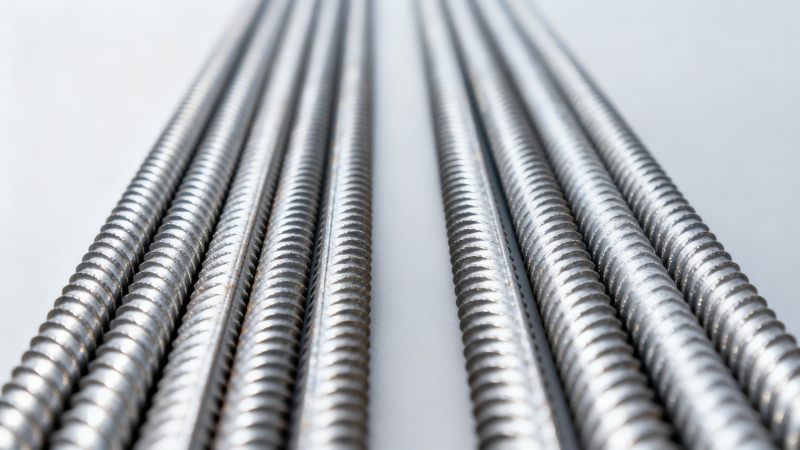
High strength steel rebar (typically Grade 60/420 MPa and above) isn’t universally superior—it’s situationally optimal. Its value crystallizes only when specific engineering, logistical, or financial thresholds are crossed. For example, in projects with tight floor-to-floor heights, using Grade 75 (520 MPa) rebar can reduce bar count by up to 25% versus Grade 40 (280 MPa), cutting labor time by 3–5 days per floor in high-rise framing. That’s not just material savings—it’s schedule compression with measurable cascade effects on crane rental, scaffolding, and site overhead.
But ROI isn’t linear. A 2023 study across 47 mid-rise commercial builds in Southeast Asia showed breakeven occurred at 12+ floors or when seismic design category ≥ D applied. Below that threshold, standard rebar delivered lower total installed cost—even with 15–20% higher unit price for high-strength variants. The key is evaluating against *installed* cost—not just per-ton pricing.
Hongteng Fengda supports this analysis with real-world delivery data: our ASTM A615 Grade 75 rebar maintains ≤ ±0.8% yield strength variance across 500-ton batches, enabling precise reinforcement modeling without conservative over-design. This consistency reduces scrap rates by ~12% compared to non-certified suppliers—directly improving procurement efficiency for volume buyers.
Critical Performance Differences Beyond Yield Strength
Yield strength alone misrepresents functional trade-offs. High strength rebar demands stricter bending radii (e.g., minimum 6× bar diameter for Grade 75 vs. 4× for Grade 40), affects splice length requirements (+18% for Grade 75 per ACI 318-19), and alters crack-width predictions under service loads. These aren’t academic footnotes—they impact field labor productivity, QA/QC inspection frequency, and long-term durability verification protocols.
This table highlights why procurement decisions must involve structural engineers—not just cost analysts. A 15% material cost premium for high strength rebar becomes justified only when the full installation chain (bending, tying, splicing, inspection) benefits from reduced bar volume and optimized layout. In coastal projects, pairing high strength rebar with Coil Coated Galvanized Steel components further extends service life where chloride exposure exceeds 2,000 ppm.
Procurement Decision Framework: 5 Non-Negotiable Checks
Before approving high strength rebar, cross-verify these five dimensions across your supply chain:
- Mill Certification Traceability: Confirm batch-level test reports include tensile curves—not just pass/fail stamps—and match EN 10080 or ASTM A615 Annex A requirements.
- Bending & Welding Compatibility: Verify compatibility with on-site equipment; Grade 75 rebar requires hydraulic benders rated ≥ 45 kN-m torque (vs. 30 kN-m for Grade 40).
- Lead Time Consistency: High strength grades often carry 10–14 day longer lead times than standard stock—confirm capacity alignment before tender submission.
- Corrosion Resistance Integration: If specifying epoxy-coated or galvanized options, ensure coating adhesion meets ASTM A775 Class III (≥ 200 psi pull-off strength).
- Local Code Acceptance: Some jurisdictions restrict Grade 75 use in residential slabs unless paired with crack-control mesh—check municipal amendments to ACI 318 or EN 1992-1-1.
Hongteng Fengda provides pre-shipment mill test reports, third-party SGS verification, and ASTM/EN dual-certification documentation within 48 hours of order confirmation—reducing procurement cycle time by up to 7 business days versus standard export channels.
Why Global Projects Choose Hongteng Fengda for Structural Steel Solutions
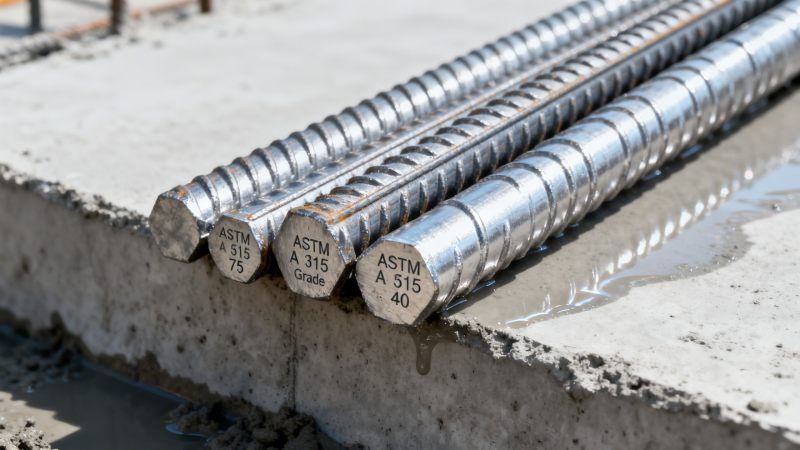
As a structural steel manufacturer & exporter from China, Hongteng Fengda bridges the gap between international compliance and practical project execution. We don’t just supply rebar—we deliver engineered solutions backed by 12+ years of global project support across North America, Europe, the Middle East, and Southeast Asia.
Our advantage lies in integrated capability: from raw material traceability (GB/T 1499.2–2018 + ASTM A615 dual certification) to custom packaging for containerized shipping (maximizing 20ft/40ft payload efficiency), and real-time logistics tracking via our ERP-integrated portal. For procurement teams managing multi-site builds, we offer consolidated invoicing, staggered delivery scheduling, and OEM labeling—all without MOQ penalties.
Whether you’re evaluating high strength rebar for a Jakarta subway station (seismic Category E), specifying corrosion resistant carbon steel for a Dubai port expansion, or sourcing Coil Coated Galvanized Steel for prefabricated façade systems, our engineering team provides free technical consultation—including BIM-ready rebar schedules, weld procedure specifications, and corrosion modeling reports aligned with ISO 9223 classifications.
Ready to validate your next rebar specification? Contact us for: (1) ASTM/EN grade comparison sheets with installed cost modeling, (2) sample kits with mill test reports, (3) lead time confirmation for your target delivery window, or (4) customized OEM packaging proposals. We respond to technical inquiries within 4 business hours—and issue formal quotations within 24 hours of receiving complete project specs.
Please give us a message


Please enter what you want to find