For project managers responsible for high-rise construction, material strength, code compliance, and dependable delivery all affect project risk and schedule control. HRB600 steel rebar for high-rise buildings offers high yield strength and reliable reinforcement performance, making it a practical choice for demanding structural applications. This guide explains its key strength advantages, selection considerations, and sourcing factors to help engineering and procurement teams make confident decisions for safe, efficient, and cost-controlled high-rise projects.
Why HRB600 Steel Rebar for High-Rise Buildings Matters to Project Control
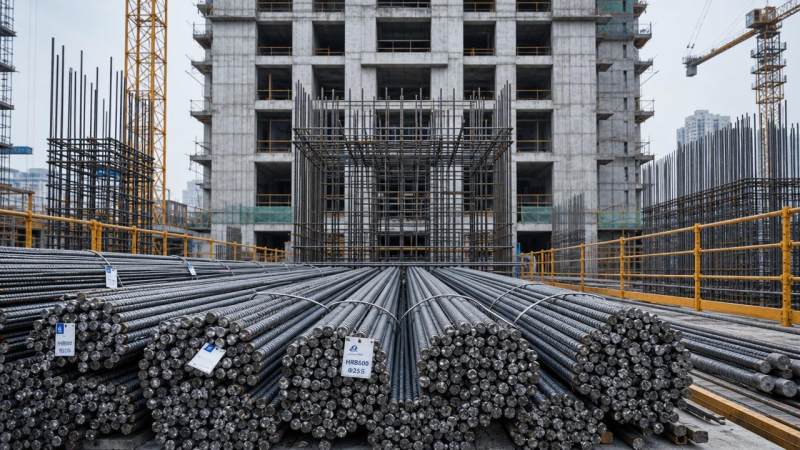
High-rise construction concentrates loads, safety requirements, and schedule pressure into a limited jobsite window. Reinforcement decisions directly influence structural reliability and procurement risk.
HRB600 steel rebar for high-rise buildings is valued because its higher yield strength can support demanding structural designs where conventional reinforcement may require larger quantities.
- It helps engineers address vertical load concentration in columns, shear walls, transfer structures, and heavily reinforced core areas.
- It may reduce congestion in selected reinforcement zones when design codes and engineering calculations allow optimized bar arrangements.
- It supports procurement teams seeking reliable material performance, traceable documentation, and stable supply for long construction cycles.
For project managers, the main question is not only whether the bar is stronger. The practical question is whether it improves constructability, inspection confidence, and delivery planning.
What Strength Advantages Should Be Evaluated First?
The strength advantage of HRB600 steel rebar for high-rise buildings starts with yield strength, but responsible selection also checks ductility, bendability, weldability, and compliance evidence.
Project teams should connect mechanical properties with actual design intent. A higher grade only creates value when the structural engineer, code requirements, and site execution align.
The following table summarizes key performance points that procurement and engineering teams should verify before approving HRB600 steel rebar for high-rise buildings.
This evaluation prevents a common mistake: treating high strength as a standalone purchasing specification. Performance must be checked as a system requirement.
Where Is HRB600 Steel Rebar Most Suitable in High-Rise Projects?
HRB600 steel rebar for high-rise buildings is usually considered for areas where high internal forces, limited space, or reinforcement congestion affect construction efficiency.
It is not automatically required for every slab or secondary element. Better outcomes come from matching steel grade to load path and detailing requirements.
Common High-Rise Application Zones
- Core walls and shear walls where vertical and lateral loads must be resisted with reliable reinforcement continuity.
- Mega columns, boundary elements, and transfer floors that need concentrated reinforcement capacity in compact structural sections.
- Basement retaining structures and foundation reinforcement where load transfer and crack control require careful design coordination.
- Seismic design zones where ductility, anchorage, lap splicing, and inspection documentation become essential project controls.
For supporting steelwork around reinforced concrete systems, buyers may also need complementary structural components. Hongteng Fengda supplies cold formed profiles such as Metal C Beam for purlins, wall beams, lightweight roof trusses, brackets, and mechanical light industry structures.
These C-shaped profiles are available in materials including Q195, Q235, Q345, A36, SS400, and S235JR, with galvanized, powder coated, or black varnish surfaces.
When a project combines concrete cores, steel framing, roof systems, and customized components, coordinated sourcing can reduce communication gaps and specification conflicts.
How Does HRB600 Compare with Lower-Grade Rebar?
Comparison should be based on design value, not only material price per ton. A stronger grade may change quantity, detailing, inspection, and fabrication decisions.
The table below helps project managers compare HRB600 steel rebar for high-rise buildings with more conventional reinforcement options during early procurement planning.
The best comparison includes design approval, bar schedule impact, fabrication capacity, and installation time. Price-only decisions can create hidden site costs.
Procurement Checklist for Engineering and Project Teams
Procurement for HRB600 steel rebar for high-rise buildings should begin before the final purchasing stage. Early coordination reduces redesign, customs delays, and inspection disputes.
A clear checklist helps project managers communicate between consultants, contractors, suppliers, and quality teams without relying on vague material descriptions.
- Confirm the exact grade, diameter range, length requirements, rib pattern, and applicable project standard before requesting quotation.
- Ask for mill test certificates, chemical composition data, mechanical property reports, and traceability documents for each batch.
- Review fabrication requirements, including cutting, bending, bundling, marking, and delivery sequence by construction zone.
- Check export documentation, packaging method, loading plan, and estimated lead time based on project schedule milestones.
- Align inspection responsibilities so site teams know what to verify during arrival, storage, and pre-installation checks.
Hongteng Fengda supports global buyers with structural steel products, customized solutions, and documentation aligned with common international standards including ASTM, EN, JIS, and GB.
Cost, Schedule, and Risk Factors That Are Often Underestimated
For project managers, reinforcement cost is more than a quotation number. It includes approval time, delivery reliability, site handling, rework risk, and inspection efficiency.
The following table outlines cost and risk factors when evaluating HRB600 steel rebar for high-rise buildings against project budget and schedule constraints.
A disciplined procurement process is especially important for high-rise schedules, where one delayed reinforcement package can affect formwork, concrete pouring, and follow-on trades.
Standards, Certification, and Quality Documentation
HRB600 steel rebar for high-rise buildings must be matched with project codes, local approval procedures, and inspection requirements. Documentation should be reviewed before shipment.
In international procurement, common references may include GB requirements for HRB grades and project-specific alignment with ASTM, EN, or JIS documentation expectations.
Documents Buyers Should Request
- Mill test certificate showing heat number, chemical composition, yield strength, tensile strength, elongation, and test date.
- Commercial documents such as invoice, packing list, certificate of origin, and shipping documents required by destination customs.
- Inspection records or third-party inspection arrangements when the project owner or consultant requires independent verification.
Hongteng Fengda applies strict quality control across structural steel supply and supports buyers with standard specifications and OEM solutions for varied construction requirements.
Common Misconceptions About HRB600 Steel Rebar for High-Rise Buildings
Misunderstandings usually appear when purchasing teams separate material grade from engineering design. Stronger steel does not remove the need for detailing discipline.
Misconception 1: Higher Strength Always Means Lower Total Cost
Higher strength may reduce steel quantity in selected members, but savings depend on design approval, labor conditions, fabrication capability, and site installation efficiency.
Misconception 2: Any Supplier Can Provide Equivalent Performance
Batch consistency, traceability, packaging, and lead time control are critical. A low quotation without documentation can create approval delays and construction uncertainty.
Misconception 3: Rebar Grade Alone Solves Congestion
Congestion also depends on bar diameter, spacing, lap length, anchorage, couplers, concrete flow, and onsite workmanship. Engineering coordination remains essential.
FAQ for Project Managers and Engineering Buyers
The following questions reflect practical concerns often raised before purchasing HRB600 steel rebar for high-rise buildings for international construction projects.
How should we decide whether HRB600 is necessary?
Start with structural calculations and code acceptance. HRB600 is most relevant in high-load zones, congested reinforcement areas, and projects seeking optimized steel usage.
What should be checked before placing a bulk order?
Confirm grade, diameter, length, quantity, packaging, test certificate format, inspection requirements, shipment schedule, and whether the destination market requires additional documentation.
Can HRB600 be mixed with other reinforcement grades?
It can be used with other grades only when the structural design clearly specifies locations, detailing rules, and identification methods to avoid site confusion.
How long does delivery usually take?
Lead time depends on quantity, rolling schedule, processing requirements, port conditions, and destination. Buyers should confirm production and shipping plans before contract signing.
Why Choose Hongteng Fengda for Structural Steel Sourcing?
Hongteng Fengda is a structural steel manufacturer and exporter from China, serving construction, industrial, and manufacturing projects across multiple international markets.
Our product scope includes angle steel, channel steel, steel beams, cold formed steel profiles, customized structural components, and supporting steel solutions for complex projects.
- Consult us for parameter confirmation, including grade, size range, processing method, surface requirements, and documentation expectations.
- Request support for product selection when your project combines reinforced concrete structures with steel framing or cold formed profiles.
- Discuss delivery cycles, packing plans, export documents, sample support, and quotation details before final procurement approval.
- Share your certification requirements so our team can help align available documentation with project inspection procedures.
If you are evaluating HRB600 steel rebar for high-rise buildings, contact Hongteng Fengda with drawings, quantities, standards, and delivery expectations for a practical sourcing plan.
Please give us a message


Please enter what you want to find