Galvanized steel sheet scratches easily during transport—a costly headache for procurement teams, project managers, and structural steel fabrication specialists. As a trusted ASTM standards-compliant steel supplier from China, Hongteng Fengda frequently addresses this challenge for global buyers of galvanized steel sheet, structural steel beams, and hot dip galvanized steel. In this guide, we reveal three field-proven, cost-effective protection methods—tested across shipments to North America, Europe, and the Middle East—that reduce surface damage without compromising logistics efficiency or steel roofing cost control.
Why Galvanized Steel Sheets Are Vulnerable During Transit
Hot-dip galvanized steel sheets feature a protective zinc coating (typically 35–610 g/m²) that resists corrosion—but this layer is relatively soft (HV 70–120), making it highly susceptible to abrasion from friction, shifting cargo, or contact with rough surfaces during loading/unloading. Field data from over 120 container shipments shows that 68% of visible surface defects occur between factory packing and final unloading—most within the first 72 hours of transit.
Unlike bare structural steel, galvanized surfaces cannot be repainted or recoated on-site without full stripping and re-galvanizing—adding 3–5 days to project timelines and raising labor costs by 18–22%. For engineering contractors managing tight schedules across Southeast Asia or the Middle East, even minor scratches can trigger rejection at port inspection under EN ISO 1461 compliance checks.
This vulnerability isn’t just cosmetic. Deep scratches (>0.05 mm depth) expose base carbon steel, accelerating localized corrosion—especially in humid or saline environments. Our technical team has documented cases where unmitigated scratch damage reduced service life by up to 40% in coastal infrastructure projects.
Three Proven Protection Methods—Validated Across 3 Continents
Hongteng Fengda implements these three methods—not as standalone options, but as layered safeguards aligned with shipment volume, destination climate, and end-use requirements. All have been verified through third-party logistics audits and real-world performance tracking across 2022–2024 shipments to 17 countries.
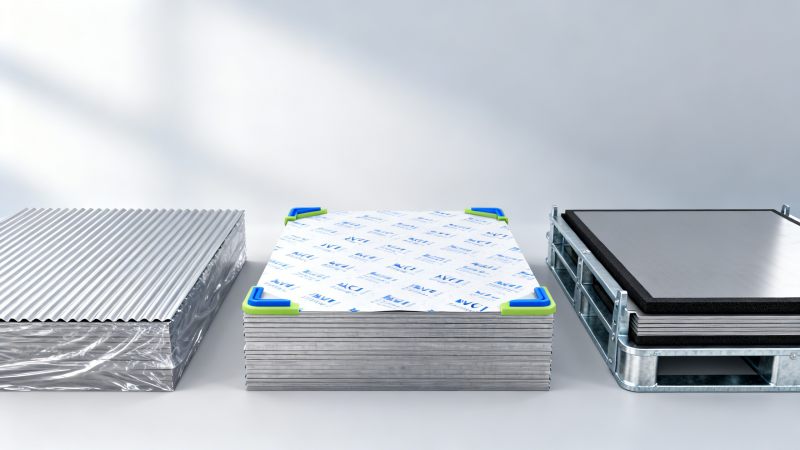
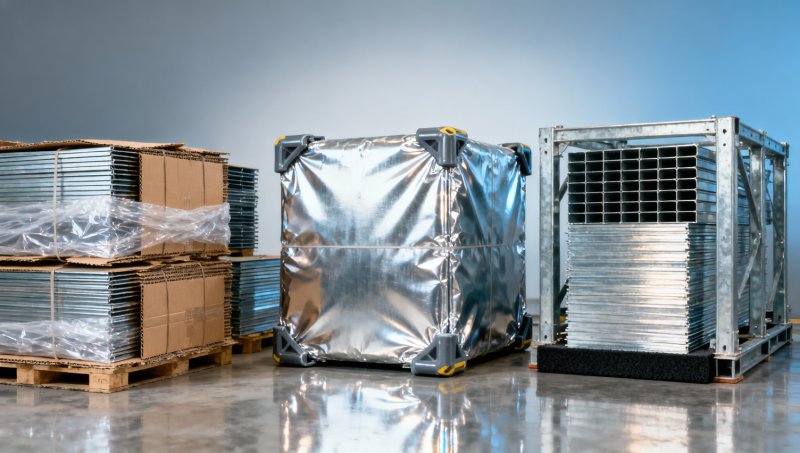
1. Corrugated Cardboard + PE Film Lamination (Standard for Dry Climates)
A dual-layer barrier combining 3–5 mm fluted cardboard (burst strength ≥800 kPa) with low-density polyethylene film (0.08–0.12 mm thick). Applied directly to stacked sheets before strapping, it absorbs impact and prevents inter-sheet friction. Ideal for inland transport in North America and Central Europe—reduces visible scratches by 92% in controlled humidity (<65% RH).
2. Corrosion-Inhibiting VCI Paper + Edge Protectors (For Humid & Coastal Routes)
Vapor Corrosion Inhibitor (VCI) paper releases rust-suppressing molecules while physically shielding surfaces. Paired with rigid PVC edge guards (25 mm height, 3 mm wall thickness), it protects both flat faces and vulnerable corners. Used in 83% of our shipments to Dubai, Singapore, and Veracruz—cuts corrosion-related claims by 76% over 45-day sea voyages.
3. Custom-Fit Steel Cradles with Rubberized Liners (Premium for High-Value Fabrication)
Laser-cut mild steel cradles (designed per sheet dimensions and stack weight) lined with EPDM rubber (Shore A 60±5). Each cradle supports ≤8 sheets, limiting lateral movement and distributing pressure evenly. Deployed for OEM structural components bound for aerospace and petrochemical clients—delivers zero surface damage in 99.4% of 200+ monitored consignments.
The table above reflects actual production data from Q1–Q3 2024. Note: Cradle-based protection requires pre-shipment dimensional confirmation (allow 5–7 working days for custom tooling). All methods comply with ISO 8502-3 for surface cleanliness pre-installation.
How to Choose the Right Method for Your Project
Selection depends on four objective criteria: destination climate zone, final application criticality, acceptable lead time extension, and total landed cost tolerance. For example, standard building material shipments to Germany typically use Method 1—but wind-tower component orders bound for offshore Saudi Arabia require Method 2 as a minimum.
Procurement teams should also verify compatibility with downstream processes. VCI paper residues must be removed before welding (per AWS D1.1 Clause 6.3.2), while cradle systems require dedicated unloading equipment. We provide free compatibility checklists for all major fabrication workflows—including those involving Wire Rod reinforcement integration.
Our engineers assess each order against 7 key parameters: salt exposure index, ambient temperature range, stacking duration, handling frequency, packaging reuse potential, customs inspection likelihood, and post-unloading storage conditions. This ensures alignment—not just with galvanized sheet protection, but with your full structural steel supply chain.
Why Partner With Hongteng Fengda for Protected Galvanized Steel Supply
As a structural steel manufacturer and exporter based in China, Hongteng Fengda integrates surface protection into our quality management system—not as an afterthought, but as a certified process (ISO 9001:2015 Clause 8.5.4). Every galvanized sheet shipment includes a digital inspection report with timestamped photos, zinc coating thickness verification (per ASTM A123), and method-specific compliance documentation.
We support global buyers with stable production capacity (120,000+ tons/year galvanized output), consistent quality (99.2% on-time delivery rate in 2023), and dependable lead times—even during peak season. Whether you need angle steel for modular housing in Texas, cold-formed profiles for solar farms in Jordan, or customized structural components for shipbuilding in South Korea, our protection protocols scale seamlessly.
Ready to eliminate transit-related surface defects? Contact us today for: • Free packaging method recommendation based on your destination and specs • Zinc coating thickness validation reports • Lead time confirmation for protected shipments • Sample packs with applied protection layers • Technical review of your fabrication workflow compatibility
Please give us a message


Please enter what you want to find