In many aging buildings, galvanized plumbing pipe systems can become a hidden source of leaks, rust, low water pressure, and costly service calls. For after-sales maintenance teams, recognizing these early warning signs is essential to reducing downtime and planning effective replacements. This guide explains the most common problems found in older water lines and what maintenance professionals should check first.
What after-sales maintenance teams should understand first
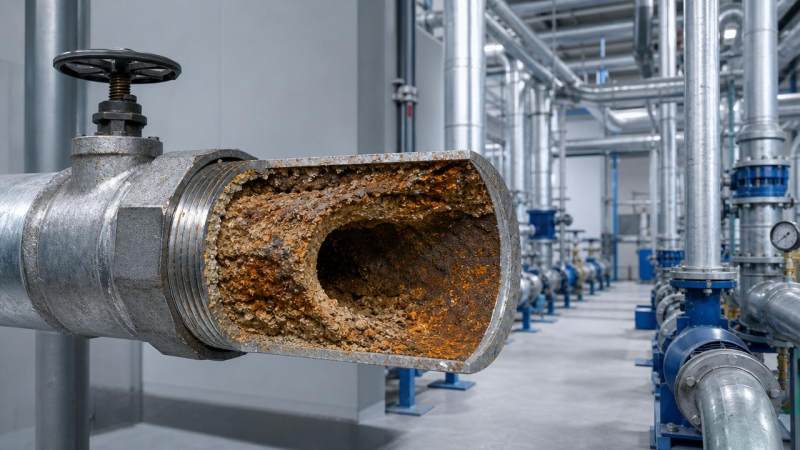
The core issue with older galvanized plumbing pipe systems is internal corrosion. Even when the outer pipe surface looks acceptable, the inside may already be narrowed by rust, scale, and mineral buildup.
For maintenance personnel, the practical goal is not just identifying a leak. It is determining whether the problem is isolated, repeated, or part of a larger system-wide failure pattern.
In many service cases, low pressure, discolored water, noisy flow, and frequent fitting failures point to aging galvanized plumbing pipe networks that have reached the end of reliable service life.
That means the most valuable response is early diagnosis. Quick patching may restore operation briefly, but it often delays necessary planning and increases long-term repair costs.
Why galvanized pipes create so many problems in older water lines
Galvanized steel pipe was widely used because its zinc coating helped resist rust during its early service years. However, that protective layer does not last forever in real water conditions.
As the zinc layer breaks down, the underlying steel becomes exposed to oxygen, moisture, and dissolved minerals. Corrosion begins inside the pipe wall and gradually spreads through the system.
In older buildings, this process is often accelerated by water chemistry, inconsistent flow, poor drainage, mixed-metal connections, and decades of sediment accumulation.
The result is a pipe that may still appear structurally intact from the outside while performing poorly and creating hidden reliability issues behind walls, ceilings, or underground routes.
The most common warning signs in old galvanized plumbing systems
Low water pressure is one of the most frequent complaints. Internal narrowing from rust and scale reduces flow area, especially at branch lines, elbows, valves, and smaller-diameter sections.
If pressure complaints appear in multiple fixtures on the same line, the problem is often not a single blockage. It may indicate widespread internal restriction throughout the older distribution network.
Brown, yellow, or reddish water is another major sign. This discoloration usually means corrosion products are entering the water stream, particularly after periods of stagnation or sudden pressure changes.
Recurring pinhole leaks also deserve attention. When one section starts failing, nearby lengths with similar age and service conditions are often close behind, even if they are not leaking yet.
Unusual taste or odor complaints may also occur. While water quality testing is required for confirmation, galvanized pipe deterioration can contribute to customer concern and repeated maintenance calls.
Another overlooked sign is fixture clogging. Rust flakes and debris can break loose from the pipe interior and collect in aerators, strainers, valves, and appliance inlets.
What to inspect first during a service call
Maintenance teams should begin by mapping the complaint. Identify whether the issue affects one fixture, one branch, one floor, or the entire building. This quickly narrows likely root causes.
Check pressure and flow at several points, not just at the reported location. Comparing upstream and downstream conditions often reveals whether restriction is local or distributed.
Inspect exposed threaded joints, horizontal runs, valve bodies, and transition points between different materials. These are common locations for corrosion concentration and eventual leakage.
Where safe and practical, remove aerators or open strainers to look for rust particles. Debris findings can support a broader diagnosis of internal pipe deterioration.
If a section is being replaced anyway, examine the cut pipe interior. This is one of the clearest ways to confirm wall buildup, scale thickness, and remaining internal diameter.
Document all findings carefully. Photos, pressure readings, leak history, and location patterns help maintenance teams justify recommendations to clients or building managers.
How to tell the difference between a local defect and a system-wide replacement issue
Not every leak means total replacement is immediately required. A single damaged fitting, mechanical impact, or isolated corrosion point can sometimes be repaired effectively.
However, repeated service calls across multiple areas usually indicate a network problem rather than a single failed component. This is especially true in buildings with long original galvanized runs.
If water discoloration, pressure loss, and leak recurrence appear together, maintenance teams should strongly consider that the pipe system is aging out rather than suffering random individual defects.
Pipe age matters as well. Many galvanized systems installed decades ago now operate far beyond the range where preventive replacement is more economical than repeated emergency repair.
Another key factor is accessibility. Even if only one section is visibly damaged, replacing a short segment inside a severely corroded network may create new stress points and future callbacks.
Risks of delaying action on deteriorated galvanized pipe
Delayed replacement often increases hidden costs. Small leaks can damage finishes, insulation, ceilings, electrical areas, and nearby structural elements before becoming visibly obvious.
Restricted flow also affects user satisfaction and equipment performance. Water heaters, wash stations, process lines, and appliances may all suffer from unstable supply conditions.
From a maintenance standpoint, the biggest risk is unpredictability. Older galvanized plumbing pipe systems often shift from manageable nuisance issues to multiple urgent failures within a short period.
This creates scheduling pressure, after-hours labor, emergency procurement, and more difficult communication with end users who expect a permanent solution rather than another temporary repair.
Practical repair and replacement strategies for maintenance teams
When symptoms are limited and the rest of the line tests reasonably well, a localized repair may be appropriate. The key is setting realistic expectations about remaining service life.
For moderate deterioration, partial replacement of the most affected branches can reduce immediate risk. This approach works best when the building has clearly defined zones and phased shutdown plans.
When corrosion is widespread, full replacement is usually the sounder long-term strategy. It reduces repeat callouts, improves water delivery, and lowers uncertainty for maintenance planning.
Material selection for replacement depends on code requirements, water conditions, budget, installation environment, and expected service demands. Compatibility at transition points must be reviewed carefully.
For maintenance contractors and project teams working on broader facility upgrades, support framing and service routing are also important. Reliable steel support components can improve installation stability and project efficiency.
In structural and utility upgrade work, sourcing from an experienced Channel Steel Supplier can be useful when building pipe supports, wall-mounted brackets, lightweight framing, or equipment-related structural assemblies.
Options such as Q195, Q235B, Q345B, and stainless grades including 304 and 316 are commonly considered for construction and industrial use, depending on strength, corrosion resistance, and project standards.
For example, channel sections with thickness from 1.5mm to 25mm, height from 80mm to 160mm, and lengths of 6m to 12m can support practical fabrication needs in maintenance and retrofit environments.
What building owners usually need from maintenance recommendations
Most clients do not need a technical lecture first. They need a clear answer on severity, risk, short-term operability, and whether repair money is buying time or solving the problem.
That means maintenance reports should explain the condition in direct terms: what was observed, how likely recurrence is, what areas are affected, and what action window is realistic.
Cost framing also matters. Owners respond better when recommendations compare repeated patch repair costs against phased replacement or full modernization over time.
If operations cannot tolerate long shutdowns, propose staged implementation. Breaking the work into branches, risers, floors, or usage zones often improves approval chances and project control.
A field checklist for evaluating older galvanized pipe systems
Start with building age, renovation history, and known water line material records. If documentation is incomplete, field verification becomes even more important.
Review complaint patterns from the past twelve to twenty-four months. Frequent leaks, low pressure tickets, or water quality concerns usually reveal whether deterioration is isolated or expanding.
Measure pressure at several fixtures under static and flowing conditions. Compare hot and cold lines where possible, since one side may show more severe restriction than the other.
Inspect exposed pipe for external rust, previous repairs, staining, and unsupported spans. Check valves for stiffness, reduced operation, or leakage around stems and threads.
Look for mixed-material transitions that may contribute to galvanic issues or weak connection points. Pay close attention to hidden areas near mechanical rooms and vertical riser penetrations.
Where replacement is planned, coordinate access, drainage, occupancy impact, temporary supply arrangements, and support materials in advance to avoid schedule disruption.
How to reduce callbacks after replacement work
Successful replacement projects depend on more than installing new pipe. Flushing, debris removal, pressure testing, support spacing, and proper transition detailing all affect long-term results.
Make sure downstream fixtures and strainers are checked after work is completed. Residual rust or scale from the old system can continue causing complaints if not cleared out.
Update maintenance records with replaced sections, material types, access locations, and future phase recommendations. Good documentation reduces confusion when the next service event occurs.
It also helps to explain to the client what was fixed and what still remains old. Clear boundaries reduce misunderstanding if a separate aging section fails later.
Conclusion
For after-sales maintenance teams, the biggest challenge with galvanized plumbing pipe in older water lines is recognizing when a simple repair is no longer the right answer.
Low pressure, discolored water, recurring leaks, and internal rust debris are not random annoyances. Together, they usually indicate ongoing deterioration inside the system.
The most effective approach is structured inspection, accurate documentation, and honest recommendation of repair, phased replacement, or full renewal based on actual field evidence.
When maintenance teams identify these warning signs early, they can reduce downtime, control service costs, and help building owners make better decisions before failures become disruptive.
Please give us a message


Please enter what you want to find