Galvanized pipe for water supply is often chosen because it is affordable, widely available, and mechanically durable. However, the biggest concern is not the outer surface—it is the hidden internal rust that develops over time. For property owners, engineers, buyers, and project managers, the key question is simple: when does galvanized pipe remain a practical option, and when does it become a water quality, maintenance, and liability risk? In most cases, galvanized pipe can still serve in certain non-critical or short-to-medium life applications, but for long-term potable water systems, hidden corrosion risk should be evaluated very carefully before purchase or replacement decisions are made.
Why hidden rust in galvanized water pipe is a serious issue
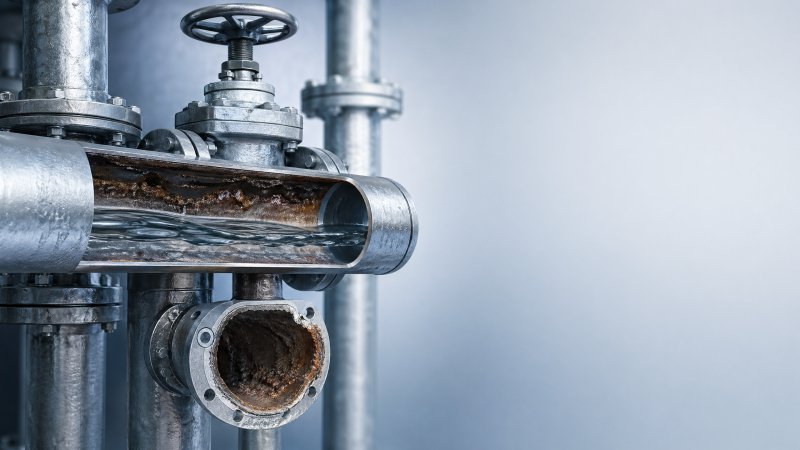
Galvanized steel pipe is steel pipe coated with zinc to delay corrosion. The zinc layer protects the base metal, especially in early service life. The problem is that water supply conditions are rarely ideal for decades. Once the zinc layer is consumed internally, the underlying steel starts to corrode, often from the inside out.
This creates several practical problems:
- Water quality decline: rust particles, discoloration, metallic taste, and turbidity may appear.
- Flow restriction: scale and corrosion products reduce the internal diameter, lowering pressure and flow rate.
- Leakage risk: localized pitting and wall loss can eventually cause pinhole leaks or failures.
- Higher maintenance cost: systems that look acceptable externally may already be deteriorating internally.
- Inspection difficulty: hidden rust is hard to judge without proper assessment methods.
For procurement teams and technical evaluators, this means the real risk is lifecycle performance, not only initial purchase price.
What causes galvanized pipe to rust from the inside
Internal corrosion in galvanized pipe is influenced by water chemistry, operating conditions, and installation quality. Hidden rust does not happen at the same speed in every project, which is why one building may perform reasonably while another experiences early failure.
The most common causes include:
- Oxygen and moisture exposure: all water systems provide the basic conditions for corrosion.
- Water pH and mineral content: aggressive or highly variable water chemistry can consume zinc faster.
- High chloride or sulfate levels: these may accelerate coating breakdown.
- Temperature fluctuations: hot water lines often corrode faster than cold water lines.
- Stagnation: low-flow sections and dead legs can worsen internal attack.
- Dissimilar metal contact: poor system design may trigger galvanic corrosion at joints or transitions.
- Coating inconsistency: lower-quality pipe or poor processing can reduce service life.
For buyers sourcing from a steel pipe supplier, this is why compliance with recognized manufacturing and coating standards matters more than appearance alone.
How to tell if galvanized water pipe may already have hidden rust
Many users only notice corrosion after visible service issues begin. By that stage, the damage may already be advanced. Common warning signs include:
- Brown, yellow, or reddish water, especially after periods of non-use
- Reduced pressure at outlets
- Frequent clogging of filters, aerators, or valves
- Uneven flow between sections of the system
- Leaks near threaded joints or older fittings
- Recurring maintenance in the same branch line
For technical teams, stronger inspection methods may include endoscopic internal checks, wall thickness testing, cut-sample examination, water quality analysis, and system age review. These steps provide much better decision support than visual inspection of the outside surface.
When galvanized pipe is still used—and when it should be reconsidered
Galvanized pipe is not automatically the wrong choice in every case. It can still be used in some construction and industrial applications where conditions are controlled, service life expectations are moderate, or potable water quality is not the primary concern.
It may still be considered for:
- Certain non-potable utility lines
- Temporary or budget-sensitive installations
- Supportive structural or mechanical uses near water infrastructure
- Projects where local standards or historical system compatibility still allow it
It should be reconsidered for:
- Long-life potable water systems
- Facilities with strict hygiene or water quality requirements
- Buildings where maintenance access is difficult or costly
- Projects sensitive to lifecycle cost and downtime
In many steel construction projects, pipe selection is not isolated from the broader material strategy. For example, buyers working on industrial buildings or utility-support structures may also compare coated structural members such as Z-beam products for purlins, wall beams, lightweight roof systems, brackets, and mechanical support frames. Options such as galvanized coated or perforated Z-shaped steel profiles, with materials including Q235B, Q345B, S275, S355, A36, and A572, can help align corrosion resistance planning across the full project rather than only within the piping scope.
What buyers and project teams should check before selecting galvanized steel for water supply
If galvanized steel pipe is still under consideration, decision-makers should review more than unit price. The better approach is to evaluate performance risk, compliance, and replacement implications.
Key checkpoints include:
- Applicable standard: confirm whether the product meets ASTM, EN, JIS, GB, or project-specific requirements.
- Coating quality: verify galvanizing consistency, thickness, and inspection records.
- Base steel quality: ensure stable chemistry and mechanical performance.
- Supplier quality control: review manufacturing capability, export experience, traceability, and testing.
- Water condition match: compare material suitability with actual local water chemistry.
- Expected lifespan: estimate maintenance and replacement cycle, not just installation cost.
- Jointing and installation details: poor field practices can shorten life even if the pipe itself is compliant.
For procurement and finance teams, the most useful comparison is total cost of ownership. A cheaper pipe that leads to pressure loss, customer complaints, shutdowns, or early replacement is usually not the low-cost option in practice.
How a reliable steel supplier reduces corrosion-related sourcing risk
Choosing a reliable supplier is not only about delivery; it directly affects project risk. A capable structural steel manufacturer and exporter with stable quality systems can support material consistency, documentation, standard compliance, and application guidance across broader construction and industrial needs.
When evaluating a supplier, look for:
- Experience supplying international markets with ASTM, EN, JIS, and GB compliance
- Clear inspection and quality assurance procedures
- Ability to provide both standard specifications and customized solutions
- Stable production capacity and dependable lead times
- Support for technical communication during bidding, approval, and execution
This matters especially for distributors, contractors, and project owners who want to reduce sourcing uncertainty and avoid quality disputes after installation.
Practical decision guide: replace, continue using, or avoid?
If you are assessing galvanized pipe for water supply, a practical decision framework can help:
- For existing old systems: inspect for internal corrosion indicators, not just external appearance.
- For potable water applications: carefully compare galvanized pipe against materials with stronger long-term corrosion performance under your local water conditions.
- For industrial or non-potable use: evaluate operating environment, budget, and maintenance access.
- For new procurement: request test data, coating details, standards compliance, and supplier quality records.
- For large projects: align pipe decisions with the overall corrosion protection strategy of the building or facility.
The best decision is rarely based on a single factor. It should balance safety, water quality, service life, operational disruption, and commercial value.
Conclusion
Galvanized pipe for water supply can look like a practical and economical choice, but hidden rust risks make it a material that requires careful technical and commercial review. The core issue is not whether galvanized steel has value—it does—but whether it fits the actual service environment and lifecycle expectations of the project. For potable water systems, hidden internal corrosion can affect water quality, flow performance, maintenance budgets, and long-term reliability. Buyers, engineers, and project managers should therefore focus on inspection evidence, water conditions, supplier quality, and total ownership cost before making a decision. A well-informed choice at the sourcing stage is usually the most effective way to control future risk.
Please give us a message


Please enter what you want to find