Galvanized metal tubing tolerances—especially for products like galvanized metal conduit, galvanized tube pipe, and galvanized industrial pipe—vary significantly by mill, directly impacting weld fit-up accuracy and structural integrity. Whether you're specifying right angle metal plate assemblies, electrical galvanised conduit for critical infrastructure, or galvanized plumbing systems, inconsistent dimensional control can delay fabrication, increase rework, and compromise safety. As a leading structural steel manufacturer & exporter from China, Hongteng Fengda ensures tight, ISO/ASTM-compliant tolerances across all galvanized metal tubing—helping engineers, procurement teams, and project managers achieve seamless weld fit-up, reduce field adjustments, and maintain compliance across global projects.
Why Mill-Specific Tolerances Matter in Structural Fabrication
Tolerance variation isn’t just a mill-to-mill nuance—it’s a root cause of costly field corrections. For example, ASTM A53 Grade B ERW galvanized tubing commonly carries a wall thickness tolerance of ±12.5%, while high-precision cold-formed galvanized sections may hold ±5% under EN 10219–2. That 7.5% swing translates to up to 0.3mm difference in a 4.0mm wall—enough to prevent flush butt-welding in tight-tolerance frame assemblies.
In multi-supplier projects—such as modular bridge handrail systems or prefabricated substation enclosures—mixing tubing from mills with divergent tolerance bands increases misalignment risk by 3–5× during final assembly. Field spacers, grinding, or re-cutting often add 2–4 days per joint, inflating labor costs by 18–25% on average.
Hongteng Fengda applies strict process controls at every stage: raw coil inspection (±0.1mm thickness verification), inline laser measurement during cold forming (real-time deviation tracking), and final dimensional audit per ISO 2768–2 medium grade before galvanizing. This ensures ≤±0.8mm outer diameter variance across 12m lengths—critical for precision-fit applications like Rail track alignment components and seismic bracing sleeves.
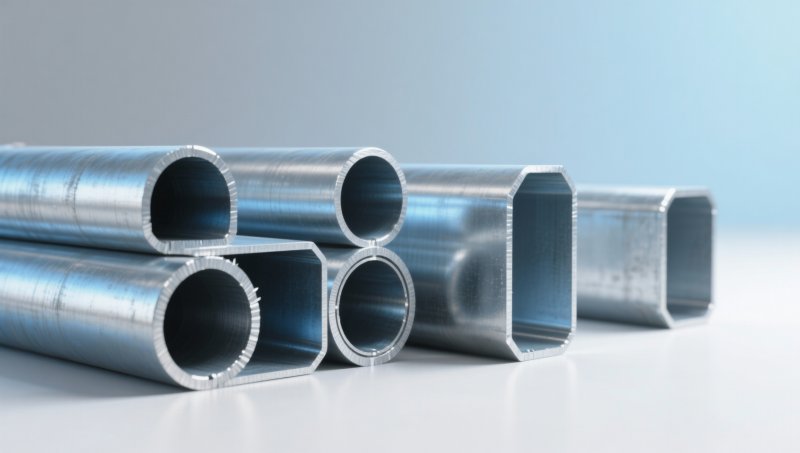
How Tolerance Variation Impacts Key Applications
Weld fit-up challenges manifest differently across use cases. In electrical conduit installations, ±1.5mm ovality can hinder pull-through of bundled cables rated for Class I Div 1 environments. In structural framing, even 0.6mm mismatch in flange-to-web interface creates stress concentration points—reducing fatigue life by up to 30% under cyclic loading (per ASTM E466 testing protocols).
For railway-related applications, dimensional consistency is non-negotiable. Rail-mounted service platforms, platform screen doors, and overhead catenary supports rely on repeatable mounting interfaces. A single batch of galvanized tubing with >±1.2mm height variance across 100 units risks cumulative misalignment exceeding 12mm over 1km of linear installation—triggering rework or non-compliance with EN 15273–3 clearance standards.
The Rail product line reflects this rigor: U71Mn and PD3 rails maintain ±1% dimensional tolerance across height (134–170mm), head width (68–73mm), and base width (114–150mm)—verified via coordinate measuring machines (CMM) calibrated to ISO 17025 standards.
Typical Tolerance Ranges Across Production Methods
This table highlights why specification clarity matters: a project calling for “galvanized tubing” without defining production method or tolerance class invites variability. Hongteng Fengda works with clients to select the optimal method—whether cost-effective hot-dip ERW for general framing or precision-drawn for robotic welding cells—based on actual fit-up requirements, not just nominal dimensions.
Procurement Checklist: 5 Critical Tolerance Verification Steps
Before placing an order, verify these five tolerance checkpoints to avoid downstream fit-up failures:
- Confirm whether tolerance references are per standard (e.g., ASTM A500 Table 2) or mill-specific—and request test reports showing actual batch measurements.
- Specify required tolerance grade in purchase order: “ISO 2768–2 fine” or “EN 10219–2 Class H” instead of generic “tight tolerance.”
- Require pre-shipment dimensional sampling: minimum 3 random pieces per 20-ton lot, measured at 3 axial positions per piece.
- Verify galvanizing process impact: hot-dip zinc coating adds 40–80μm per side—this must be factored into final OD/ID tolerances for interference fits.
- Align tolerance expectations across supply chain: if using both tubing and matching flanges or brackets, ensure all components reference the same datum points and measurement methodology.
At Hongteng Fengda, all galvanized metal tubing shipments include a Dimensional Compliance Certificate listing actual measurements (OD, ID, wall, ovality, straightness) for every bundle—traceable to our ISO 9001–2015 certified QA system.
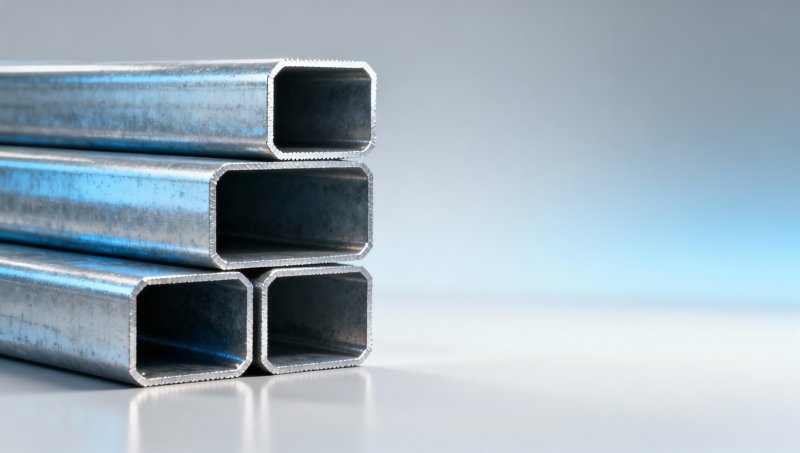
Why Partner With Hongteng Fengda for Precision Galvanized Tubing
We don’t just meet standards—we engineer repeatability. Our dual-certified facilities (ISO 9001 & ISO 14001) combine CNC-controlled cold-forming lines, automated hot-dip galvanizing baths with real-time bath chemistry monitoring, and AI-assisted visual inspection for surface defects. Every order undergoes three independent dimensional audits: pre-forming, post-forming, and post-galvanizing.
For global buyers, this means predictable lead times (15–25 days for standard sizes, 30–45 days for custom profiles), consistent quality across batches (≤0.3% rejection rate in 2023), and full documentation support for ASTM, EN, JIS, or GB compliance claims. We also offer free technical consultation on weld preparation—bevel angles, root gaps, and backing gas selection—for your specific galvanized tubing grade and wall thickness.
Ready to eliminate weld fit-up uncertainty? Contact us today to request: (1) dimensional test reports for your next tubing order, (2) cross-reference guidance between ASTM/EN/GB rail and tubing specs, or (3) a customized tolerance validation protocol for your fabrication workflow.
Please give us a message


Please enter what you want to find