Choosing the right galvanized steel wire for fencing can make a major difference in how long your fence lasts, how well it resists rust, and how much maintenance it needs over time.
Whether the fence protects a garden, farm, boundary, or light commercial site, durability depends on wire quality, zinc coating, installation, and weather conditions.
This guide explains practical ways to select, install, and maintain galvanized steel wire for fencing for stable long-term performance.
What Makes Galvanized Steel Wire for Fencing Durable?
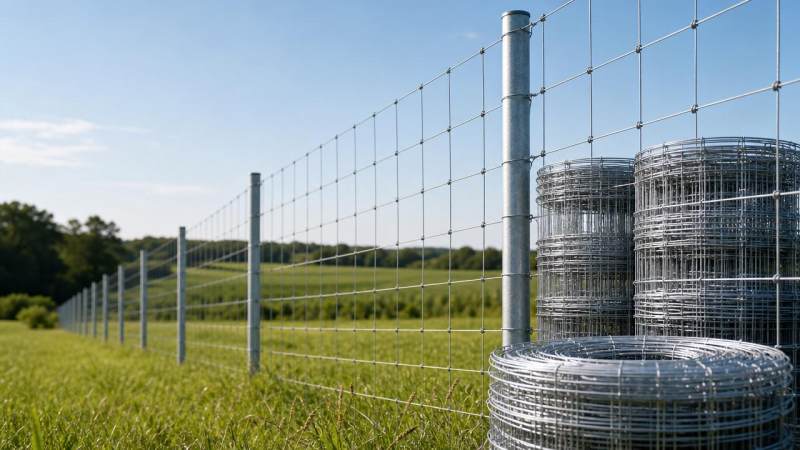
Galvanized steel wire for fencing is steel wire coated with zinc to slow corrosion and protect the base metal.
The zinc layer works as a barrier and also provides sacrificial protection when small scratches appear.
Durability mainly comes from three factors: steel strength, coating thickness, and the quality of the galvanizing process.
A stronger wire resists stretching, impact, and animal pressure better than low-grade wire with inconsistent diameter.
A heavier zinc coating improves rust resistance, especially in wet soil, coastal air, and high-humidity locations.
For outdoor fences, galvanized steel wire for fencing should have a uniform surface without bare spots, flaking, or dark oxidation marks.
Wire diameter also matters. Thicker wire usually offers better mechanical strength but may need stronger posts and better tools.
For garden mesh, lighter gauges can work well. For livestock or boundary fences, heavier wire is usually safer.
Key durability signs to check
- Consistent wire diameter along the full coil.
- Smooth zinc coating with no peeling.
- Clear tensile strength and coating information.
- Reliable packaging that prevents transport damage.
- Compliance with relevant steel or fencing standards.
How Do You Choose the Right Wire Gauge and Coating?
Choosing galvanized steel wire for fencing starts with the fence purpose, expected load, and environmental exposure.
A decorative garden fence does not require the same wire strength as a farm fence or security boundary.
Wire gauge affects both strength and flexibility. Lower gauge numbers usually mean thicker, stronger wire.
Thicker galvanized steel wire for fencing is harder to cut, more stable under tension, and less likely to deform.
However, oversized wire can raise material cost and make installation slower if the fence design does not need it.
Coating weight is equally important. A thin zinc layer may look bright at first but rust faster outdoors.
Hot-dip galvanized wire often provides better outdoor protection than light electro-galvanized wire.
For coastal zones, high rainfall areas, or chemical exposure, consider heavier galvanizing or alternative corrosion-resistant materials.
In some related fabrication projects, stainless materials may support higher corrosion resistance.
For example, 304 Stainless Steel Coil is used in demanding industrial, food, chemical, and equipment applications.
Its 304 stainless steel composition offers excellent corrosion resistance, high temperature resistance, and strong performance in many acids and alkali solutions.
Typical technical values include tensile strength ≥520, yield strength ≥275, elongation ≥55-60, and hardness ≤183HB.
While fencing wire selection differs, corrosion requirements should always be evaluated with similar attention.
Practical selection guide
Which Installation Mistakes Shorten Fence Life?
Even good galvanized steel wire for fencing can fail early if installation creates stress, scratches, or trapped moisture.
One common mistake is over-tensioning. Excessive tension can weaken knots, bend posts, and damage zinc coating at contact points.
Under-tensioning is also a problem. Loose wire moves in the wind and gradually wears against posts or staples.
Use the right tensioning tool and apply even force along each fence run.
Another mistake is cutting wire without protecting exposed ends. Cut edges are more vulnerable because bare steel may be visible.
Apply zinc-rich repair paint or suitable corrosion protection on cut points, especially in wet environments.
Post spacing also affects performance. Wide spacing may cause sagging, while weak posts make the whole fence unstable.
Galvanized steel wire for fencing performs best when posts, staples, clips, and bracing match the wire strength.
Avoid mixing incompatible metals where possible. Some metal combinations may accelerate corrosion in wet conditions.
If accessories are required, choose galvanized or corrosion-resistant fittings designed for outdoor steel fencing.
Installation checklist
- Confirm fence line drainage before installation.
- Use posts with suitable strength and spacing.
- Unroll wire carefully to avoid kinks.
- Apply tension gradually and evenly.
- Protect cut ends and damaged coating immediately.
How Can Maintenance Improve Rust Resistance?
Maintenance for galvanized steel wire for fencing should be simple, regular, and focused on early problem detection.
Inspect the fence after storms, seasonal temperature changes, and heavy use by animals or equipment.
Look for scratches, loose ties, sagging sections, rust stains, and soil buildup around the lower wire.
Small rust spots should not be ignored. Clean the area and apply proper zinc-rich coating before corrosion spreads.
Vegetation control is important. Grass, vines, and wet leaves can hold moisture against the zinc surface.
Keep plants trimmed along the fence line to improve airflow and reduce long-term dampness.
Soil contact is another issue. When galvanized steel wire for fencing stays buried or pressed into wet soil, corrosion risk increases.
If bottom wires touch the ground, consider raising them slightly or improving drainage with gravel or grading.
Do not use harsh acidic cleaners. They may attack zinc and reduce the protective life of the coating.
For normal dirt, clean with water and a soft brush. Dry conditions after cleaning are preferable.
Suggested inspection frequency
When Should You Replace Galvanized Steel Wire for Fencing?
Repair is useful when damage is local, the wire remains strong, and corrosion has not deeply attacked the steel.
Replacement becomes smarter when rust spreads across long sections or the wire breaks during normal tensioning.
If galvanized steel wire for fencing has lost stiffness, shows severe pitting, or sags repeatedly, replacement improves safety.
Frequent patching can cost more than installing better wire with a heavier zinc coating.
Evaluate total cost, not only purchase price. Include labor, accessories, downtime, and future maintenance.
A low-cost wire may become expensive if it needs repairs after only a few seasons.
For longer service life, specify wire diameter, tensile strength, zinc coating weight, coil size, and packaging before ordering.
Clear specifications reduce sourcing risk and help match galvanized steel wire for fencing to real site conditions.
FAQ: Quick Answers About Galvanized Steel Wire for Fencing
Final Tips for Longer Fence Service Life
Durable galvanized steel wire for fencing starts with correct specifications and continues with careful installation.
Check the wire gauge, zinc coating, tensile strength, surface condition, and accessory compatibility before committing to a project.
After installation, keep the fence clean, tensioned, and protected from standing moisture or untreated cut edges.
For steel supply decisions, reliable production, consistent quality, and clear standards are essential.
Hongteng Fengda supports global construction, industrial, and manufacturing projects with dependable structural steel products and customized solutions.
For project-specific steel sourcing, compare materials, standards, lead times, and corrosion requirements before placing the order.
The right galvanized steel wire for fencing will reduce maintenance, extend service life, and protect your site more effectively.
Please give us a message


Please enter what you want to find