Galvanized sheet thickness is often misunderstood because nominal size does not always reflect the actual coated steel dimension buyers receive. For engineers, purchasers, and project managers comparing structural steel grades, galvanized steel channel, or even H-beam steel price, knowing the real thickness matters for strength, corrosion performance, compliance, and cost control. This guide explains why nominal size can mislead and how to evaluate specifications with confidence.
Why does nominal galvanized sheet thickness often differ from actual thickness?
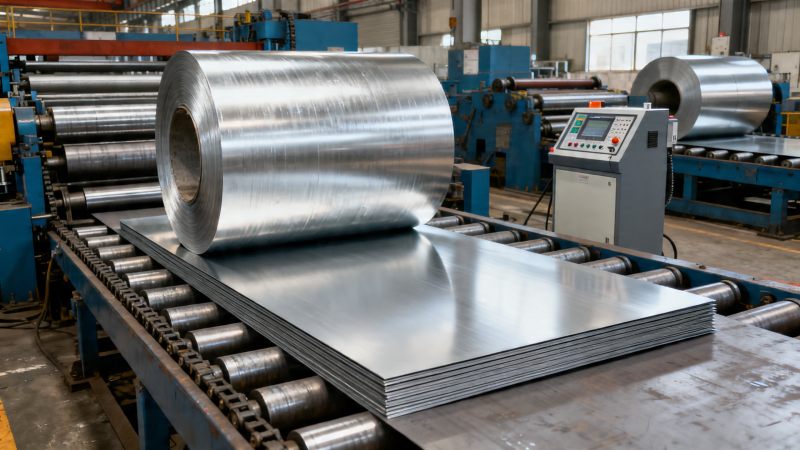
In steel procurement, “nominal thickness” is usually a trading or designation value, not always the exact final measured thickness on the delivered galvanized sheet. This difference becomes important when tolerances are tight, when load-bearing calculations depend on section properties, or when coating mass directly affects service life in outdoor or industrial environments.
For many buyers, the confusion starts when they compare carbon steel sheet, galvanized steel channel, and other structural steel products under different standards such as ASTM, EN, JIS, or GB. A sheet described as 2.0 mm nominal may be measured at a base metal thickness close to that value, while total finished thickness changes after zinc coating is applied on both sides.
The opposite misunderstanding also happens. Some buyers assume nominal thickness already includes the full coating build-up, then discover the steel substrate is lighter than expected. In projects with 3 key control targets—strength, corrosion resistance, and cost—this mistake can lead to design revision, nonconforming inspection results, or pricing disputes during final acceptance.
In practical terms, the actual outcome depends on 4 factors: substrate thickness, coating process, standard tolerance, and measurement method. A hot-dip galvanized sheet and an electro-galvanized sheet may look similar on paper, but their coating thickness range, surface condition, and corrosion endurance can differ significantly in the same nominal gauge category.
What buyers should distinguish from the start
Before comparing quotations, separate these 3 terms clearly: base steel thickness, total finished thickness, and coating mass or coating thickness. In many inquiries, suppliers quote by nominal sheet size, but technical teams evaluate by effective base metal section, while quality teams inspect using local measurement tools. If those definitions are not aligned in advance, the same sheet can appear “qualified” to one department and “undersized” to another.
- Nominal thickness: the designated commercial size used in catalogs, contracts, and general communication.
- Base metal thickness: the thickness of the steel before galvanizing, often critical for structural or forming performance.
- Coated thickness or coating mass: the zinc layer added by electro galvanizing or hot-dip galvanizing, affecting corrosion behavior and finished dimensions.
For procurement teams handling medium-volume or large-volume orders, this distinction should be written into both the technical agreement and the inspection plan. It reduces ambiguity at the pre-shipment stage and helps finance teams compare quotations on the same basis rather than on incomplete size descriptions.
How coating process, standards, and tolerance shape the real thickness
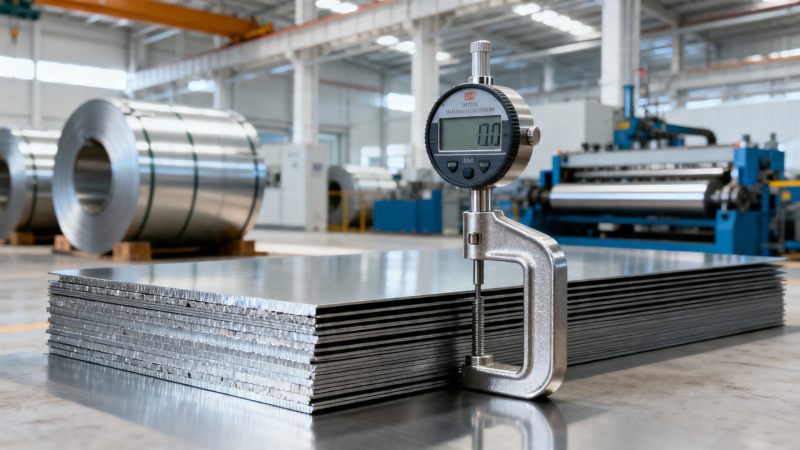
Galvanized sheet thickness is not determined by one number alone. It is shaped by the steelmaking route, the galvanizing process, and the tolerance provisions of the selected standard. In general purchasing practice, a project may require 2–4 weeks for production planning, but technical clarification on thickness basis should happen before order confirmation, not after production starts.
Hot-dip galvanized sheet usually carries a more substantial zinc layer than electro-galvanized sheet. That means better corrosion protection in many outdoor applications, but also a different relationship between nominal size and finished measurement. If a buyer focuses only on one thickness figure and ignores zinc coating class, the comparison can become misleading and the cost analysis incomplete.
Standards also matter. ASTM, EN, JIS, and GB may define thickness, coating designation, permissible variation, and test methods differently. For global buyers sourcing from China, standard conversion is not a cosmetic step. It is one of the 5 most important checks when cross-comparing local market offers, import offers, and OEM fabrication quotations.
Hongteng Fengda supports these evaluations by supplying structural steel products under major international standards and by clarifying size, tolerance, and specification details early. For buyers working across North America, Europe, the Middle East, and Southeast Asia, this helps reduce sourcing risk and avoid errors that only appear during fabrication or site installation.
Typical thickness interpretation issues in steel purchasing
The table below highlights where misunderstandings usually happen when galvanized sheet thickness is specified only by nominal size.
This comparison shows why one number is rarely enough. A sound steel purchasing process should review not just nominal thickness, but also coating designation, tolerance basis, and inspection method. That is especially important in projects that combine galvanized sheet with channels, beams, and fabricated structural steel components.
Mid-project relevance beyond sheet products
The same logic applies to other zinc-coated steel products used in lifting, marine, mining, and industrial handling. For example, when corrosion exposure and mechanical duty must be considered together, buyers often review rope construction, tensile grade, and galvanizing class in parallel rather than treating coating as a secondary issue.
A practical reference is Galvanized Steel Wire Rope, which is used in mining, loading, forestry, marine industries, elevators, cranes, drilling, agriculture, electric lines, railways, photovoltaic installations, road fences, zipline systems, and cableways. Available constructions include 6X7+FC, 6X19+IWR, and 8x19S+FC, with diameter ranges from 1.0 mm to 22 mm and normal tensile strength from 1470 MPa to 1960 MPa.
Its coating options such as electro galvanized and hot dipped galvanized illustrate the same selection principle seen in sheet products: zinc layer weight must match the corrosion environment. Thin coating groups may suit mild corrosion conditions, while medium and thick galvanized groups are considered for medium to severe exposure, depending on duty cycle, inspection intervals, and service risk.
For engineering teams, this reinforces a broader rule across steel products: always compare effective metal section, coating class, and applicable standards together. Looking at only the nominal size can distort both performance expectations and budget review.
What should engineers, buyers, and QC teams check before approving galvanized sheet?
Approval should not rely on one drawing note or one supplier statement. A disciplined review process usually includes 5 key checks: substrate thickness basis, coating requirement, tolerance standard, measurement method, and intended application environment. This is especially relevant when the same purchase package includes galvanized sheet, angle steel, steel beams, or custom cold formed profiles.
Operators and project managers often focus on workability: will the sheet bend, weld, fasten, or fit as expected? Technical evaluators focus on section performance and corrosion life. Procurement cares about price alignment. QC and safety personnel care about measurable compliance. The best specification format serves all 4 groups without leaving interpretation gaps.
For imported structural steel supply, one practical rule is to define acceptance in 3 stages: pre-order review, pre-shipment verification, and receiving inspection. This reduces rework and helps distributors, contractors, and end users avoid last-minute disputes over whether measured thickness should include coating or not.
Hongteng Fengda supports buyers with standard structural steel products and OEM solutions, which is useful when projects need both standard compliance and customized dimensions. Early technical alignment is often the fastest way to control total sourcing cost, even before price negotiation begins.
A practical procurement checklist
- Confirm whether the quoted thickness refers to base steel or finished galvanized sheet, and write it clearly into the purchase order.
- Specify the governing standard such as ASTM, EN, JIS, or GB, including tolerance clauses and coating designation.
- Define the application environment, for example indoor dry use, outdoor exposure, coastal atmosphere, or industrial corrosion conditions.
- Agree on the inspection method, sampling frequency, and measurement tool before production or shipment.
- Check whether the material will be cut, formed, welded, or painted after delivery, because downstream processing can influence acceptable coating and thickness selection.
This checklist is simple, but it prevents many of the most expensive misunderstandings. In project purchasing, a small clarification made at the RFQ stage can avoid delayed installation, stock rejection, or unplanned replacement cost weeks later.
Selection guide for different purchasing priorities
Different users prioritize different indicators. The table below helps map galvanized sheet thickness decisions to actual purchasing goals.
The key lesson is straightforward: the right galvanized sheet thickness is the one that fits the job, the standard, and the inspection plan at the same time. The cheapest sheet by nominal number is not always the lowest-cost option after fabrication, corrosion exposure, and acceptance risk are considered.
Common misconceptions, cost impact, and how to avoid expensive mistakes
One common misconception is that thicker coating automatically solves every corrosion problem. In reality, the right selection depends on exposure severity, maintenance interval, and product geometry. A moderate coating may be fully appropriate in indoor or mild-service conditions, while severe outdoor use may require heavier protection and closer quality verification.
Another misconception is that all “2.0 mm galvanized sheet” offers are directly comparable. They are not. If Supplier A quotes 2.0 mm nominal with one coating basis and Supplier B quotes 2.0 mm by a different substrate interpretation, the price gap may reflect different actual steel content or different corrosion protection, not simply supplier margin.
For finance approvers and business evaluators, this matters because sheet thickness affects more than unit price. It influences total material weight, freight planning, fabrication behavior, service life, and replacement timing. A lower initial purchase price can become a higher total ownership cost if the sheet underperforms or creates inspection rejection.
In cross-border supply, the cost of one specification mistake can extend beyond the material itself. It may add 7–15 days of clarification, extra testing, replacement shipment, or installation delay. For projects with fixed schedules, that indirect cost can exceed the original savings from choosing an unclear low-price offer.
Risk points that should be managed early
Specification risk
If the purchase order does not state whether thickness is nominal, base metal, or finished coated size, downstream disputes are likely. This is the first point to lock before contract signing.
Inspection risk
Different tools and different measuring points can produce different readings. QC teams should define measurement location, quantity, and standard reference in advance, especially for medium and large batch supply.
Application risk
A sheet selected only for price may not suit outdoor, coastal, or industrial pollution environments. Matching coating level to service conditions is often more important than chasing a nominal size alone.
FAQ for real purchasing and technical review
Should galvanized sheet thickness be measured including coating?
That depends on the standard and the contract definition. For structural calculations, engineers often focus on the steel substrate. For corrosion and finished dimension review, coating may also matter. The safest approach is to state both values where relevant and avoid leaving the interpretation open.
What is the best way to compare supplier quotations?
Use a like-for-like matrix with at least 5 lines: standard, nominal thickness, base thickness basis, coating designation, and tolerance. If one of these fields is missing, the quote is not fully comparable, even if the unit price looks attractive.
Does heavier galvanizing always mean better value?
Not always. Heavier coating usually adds cost and may not be necessary for low-corrosion indoor use. Better value comes from matching coating level to exposure, maintenance expectations, and project life cycle rather than paying for unnecessary protection.
How long does specification confirmation usually take?
For standard material, technical confirmation can often be completed within 1–3 working days if drawings, standards, and coating requirements are clear. For OEM or mixed structural steel packages, it may take longer because size conversion, tolerance review, and fabrication details need to be coordinated together.
Why work with a structural steel supplier that clarifies thickness details early?
For buyers sourcing from China, the advantage of working with an experienced structural steel manufacturer and exporter is not limited to production capacity. It also includes technical communication that prevents avoidable mistakes. When nominal thickness, coating class, and standards are confirmed at the inquiry stage, purchasing becomes faster, safer, and easier to audit internally.
Hongteng Fengda provides angle steel, channel steel, steel beams, cold formed steel profiles, and customized structural steel components for global construction, industrial, and manufacturing projects. With modern manufacturing facilities and strict quality control, the company supports common international standards such as ASTM, EN, JIS, and GB, helping buyers align specification language across markets.
This is valuable for project managers, distributors, and decision-makers who need more than a basic quote. They often need support on 6 practical points: parameter confirmation, material selection, coating choice, delivery schedule, compliance requirements, and OEM customization. Handling these points early reduces sourcing risk and improves budget predictability.
If you are comparing galvanized sheet thickness, galvanized steel channel, steel beam specifications, or custom structural steel packages, a precise technical discussion can save time before production and cost after delivery. You can discuss nominal versus actual thickness, applicable standards, coating options, sample support, inspection criteria, lead time expectations, and quotation details based on your project environment and target market.
What you can ask before placing an order
- Confirm whether the required thickness is based on substrate or total finished galvanized dimension.
- Request guidance on suitable coating options for mild, medium, or severe corrosion conditions.
- Check which standard version applies to your destination market and project documents.
- Review normal production and delivery timing for standard items versus customized steel components.
- Ask for support on samples, drawings, OEM details, and quotation comparison for multiple product lines.
A well-defined inquiry leads to a better result than a fast but incomplete order. When thickness details are transparent from the beginning, everyone involved—from engineering and QC to purchasing and finance—can make decisions with more confidence.
Please give us a message


Please enter what you want to find