The Science Behind Galvanized Metal Angle's Corrosion Resistance
Galvanized metal angle achieves its remarkable rust-proof properties through a metallurgical process called hot-dip galvanization. When steel angles are immersed in molten zinc at approximately 450°C (842°F), a series of zinc-iron alloy layers form on the surface. These layers create a physical barrier against moisture and oxygen – the primary catalysts for steel corrosion.
The zinc coating provides dual protection mechanisms. First, it acts as a sacrificial anode - zinc corrodes preferentially to steel even if the coating gets scratched (a process called cathodic protection). Second, the zinc develops a passive patina layer when exposed to atmosphere, further slowing corrosion rates by 10-100 times compared to bare steel.
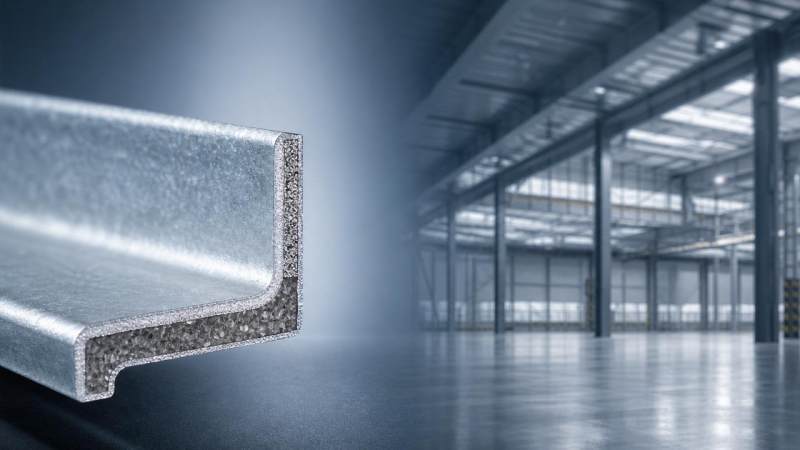
Key Protective Layers in Hot-Dip Galvanization
The typical coating thickness for structural galvanized angles ranges from 65-100 microns (2.5-4 mils), providing 25-50 years of maintenance-free service in most environments. Thicker coatings up to 150 microns may be specified for harsh industrial or marine applications where corrosion rates exceed 8 µm/year.
Performance Advantages Over Alternative Solutions
When evaluating corrosion protection for structural steel components, galvanized metal angle offers distinct advantages compared to painted or powder-coated alternatives:
- Superior adhesion - The metallurgical bond prevents peeling or flaking
- Complete coverage - Even complex shapes get uniform protection
- Self-healing properties - Zinc sacrificially protects damaged areas
- Lower lifecycle costs - Eliminates repainting every 3-5 years
In bridge construction projects, galvanized angles demonstrate 2-3 times longer service life than painted steel when exposed to de-icing salts. The initial 1.5-2.5% cost premium for galvanizing typically pays for itself within 7-10 years through reduced maintenance expenses.
Comparative Corrosion Rates in Different Environments
For projects requiring both high strength and corrosion resistance, consider pairing galvanized angles with High Carbon Steel Pipe for structural frameworks. These pipes offer excellent mechanical properties with optional galvanized or anti-corrosion coated surfaces, complying with API 5L, ASTM A106 and other international standards.
Specification Guidelines for Technical Evaluators
When specifying galvanized metal angles for your project, consider these critical parameters to ensure optimal corrosion resistance:
- Coating thickness: Minimum 85 µm for outdoor exposure (ASTM A123)
- Surface preparation: SSPC-SP6 commercial blast cleaning
- Zinc purity: ≥99.995% for consistent performance
- Angle dimensions: Account for 5-8% dimensional growth during galvanizing
In chemical processing plants where pH levels fluctuate between 5-12, galvanized angles maintain stable performance. However, continuous exposure to pH below 4 or above 13 may require supplemental coatings or alternative materials.
Maintenance Inspection Checklist
Even with galvanized protection, periodic inspections help maximize service life:
- Annual visual checks for white rust formation
- Biannual cleaning in coastal environments
- 5-year thickness measurements in critical joints
- Immediate repair of any coating damage exceeding 10mm diameter
For structural connections, specify galvanized bolts and washers to prevent bimetallic corrosion. The potential difference between galvanized steel and stainless steel fasteners can accelerate corrosion by 15-20% in humid environments.
Conclusion & Implementation Recommendations
Galvanized metal angle delivers proven corrosion resistance through scientifically-engineered zinc-steel bonding. Its self-maintaining protection system outperforms painted alternatives in lifecycle cost analyses, particularly for structures exposed to weather, chemicals, or mechanical abrasion.
When designing with galvanized angles, remember that proper specification, handling, and occasional maintenance will ensure decades of reliable performance. For complex projects requiring customized galvanized structural components, consult with our engineering team to optimize your corrosion protection strategy.
Please give us a message


Please enter what you want to find