Electrical Conduit Pipe Sizes Explained: How to Read Dimensions and Capacity
Choosing the right electrical conduit pipe size is essential for safe installation, cable protection, and efficient project planning.
Whether you are handling installation, inspection, or sourcing, size selection affects labor, material use, and long-term system reliability.
A wrong electrical conduit pipe choice can create cable damage, pulling difficulty, overheating risk, and costly site changes.
This guide explains how to read conduit dimensions, understand fill capacity, and apply common standards in real working conditions.
Why Electrical Conduit Pipe Size Matters
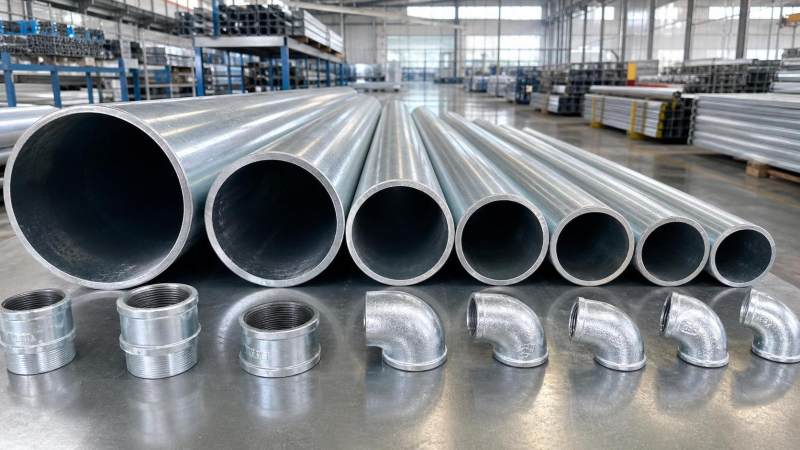
An electrical conduit pipe does more than cover cables. It protects conductors from impact, moisture, abrasion, and environmental exposure.
Size matters because conduit must allow smooth cable pulling while keeping enough free space for heat dissipation and maintenance access.
If the conduit is too small, pulling tension rises quickly. Insulation may scrape, deform, or fail during installation.
If the conduit is too large, support spacing, bend control, and material cost can become less efficient than necessary.
That is why electrical conduit pipe sizing should always balance safety, cable count, bend radius, and future expansion.
How to Read Electrical Conduit Pipe Dimensions
Conduit size labels often look simple, but they can be misleading if you only read the nominal number.
Most electrical conduit pipe products use nominal trade size rather than exact inside or outside diameter.
For example, a 20 mm or 3/4 inch conduit name does not always equal the actual internal space available.
To read dimensions correctly, focus on these four points.
- Nominal size: the trade designation used for ordering and matching fittings.
- Outside diameter: useful for support clamps, routing space, and external clearance.
- Inside diameter: critical for cable fill and pulling capacity.
- Wall thickness: affects strength, corrosion resistance, and usable internal area.
This is especially important when comparing steel conduit, PVC conduit, EMT, IMC, or rigid metal conduit.
Different materials may share a trade size but still provide different internal diameters and fill capacity.
Nominal Size vs Actual Size
In practice, nominal size is for coordination. Actual size is for engineering decisions.
That means installers should not estimate conductor quantity from nominal size alone.
Always check the manufacturer data sheet, standard table, or code-approved conduit fill chart.
Understanding Fill Capacity in Real Work
Fill capacity means the allowed total cable area inside an electrical conduit pipe.
It is not just about fitting cables physically. It is about safe pulling and stable operating temperature.
Common standards usually limit conduit fill by percentage, depending on conductor quantity.
- One conductor: up to 53% fill.
- Two conductors: up to 31% fill.
- Three or more conductors: up to 40% fill.
These values are widely referenced, but local codes and project standards should always be checked first.
In actual site work, fill capacity also changes with insulation type, cable flexibility, and bend complexity.
A straight run may accept a tighter design. A route with several bends usually needs more space.
A Practical Sizing Method
- List conductor type, insulation, and outside diameter.
- Count total conductors in the same conduit run.
- Calculate combined cable area.
- Compare the result with the approved fill table.
- Add margin for bends, pulling distance, and future changes.
This approach keeps electrical conduit pipe selection practical instead of guess-based.
Common Electrical Conduit Pipe Types and Their Size Behavior
Not all conduit types behave the same way, even when their trade size matches.
EMT is lighter and often easier to handle. Rigid metal conduit offers stronger protection.
PVC conduit resists corrosion well, but thermal movement and support planning need closer attention.
IMC sits between EMT and rigid options in weight and wall thickness.
When comparing any electrical conduit pipe, always confirm actual inside diameter and fitting compatibility.
Quick Comparison Table
What Affects Capacity Beyond Size
Capacity is not decided by diameter alone. Several jobsite details can change the right selection.
- Number of bends in one run.
- Length of pull.
- Cable jacket friction.
- Ambient temperature.
- Future cable additions.
- Project code requirements.
From a project control view, these factors often matter more than the nominal conduit number itself.
That also means early coordination between engineering, purchasing, and installation teams saves rework later.
In related steel supply chains, the same principle applies to material consistency and sizing accuracy.
For example, Wire Rod is widely used in auto manufacturing, shipbuilding, petrochemical plants, and building material applications.
With ASTM, GB, EN, DIN, and JIS compliance options, it supports projects that require dependable carbon steel performance.
Its excellent formability and weldability reflect the same need seen in conduit work: correct specification reduces risk and improves installation efficiency.
How to Avoid Common Sizing Mistakes
Many conduit problems start with assumptions made too early in the job.
The most common mistake is choosing an electrical conduit pipe by past habit instead of actual cable data.
Another issue is ignoring fittings. Couplings, connectors, and bends can change pull difficulty fast.
A third mistake is designing with no spare capacity. Small future changes then require full rerouting.
Field Checklist
- Verify trade size against actual internal diameter.
- Confirm cable outside diameter from the latest supplier data.
- Review bend count before finalizing the electrical conduit pipe size.
- Check fill ratio with the applicable standard.
- Reserve practical spare space for maintenance or expansion.
- Make sure fittings match the same conduit system.
Standards, Sourcing, and Final Selection
Technical selection should always connect with sourcing quality.
Reliable manufacturers provide clear dimension tables, coating details, mechanical data, and standard references.
For global projects, material traceability and compliance with ASTM, EN, JIS, or GB can simplify approval.
Hongteng Fengda, as a structural steel manufacturer and exporter from China, supports industrial buyers with stable production, quality control, and specification-based supply.
That matters because conduit-related decisions often sit inside broader steel and construction procurement plans.
When selecting an electrical conduit pipe, the best result usually comes from combining code review, manufacturer data, and real installation conditions.
In simple terms, read the nominal size, verify the actual capacity, and leave room for the job to work smoothly.
That is the most practical way to choose an electrical conduit pipe that protects cables, controls cost, and supports long-term performance.
Please give us a message


Please enter what you want to find