When selecting deformed rebar for concrete structures, surface texture plays a critical role in bonding performance and structural integrity. As a leading structural steel manufacturer, Hongteng Fengda explains why rib pattern design and surface deformation characteristics are vital for engineers and technical evaluators. Discover how proper deformed rebar specifications enhance concrete-steel composite behavior in this technical guide.
The Science Behind Rebar Surface Texture
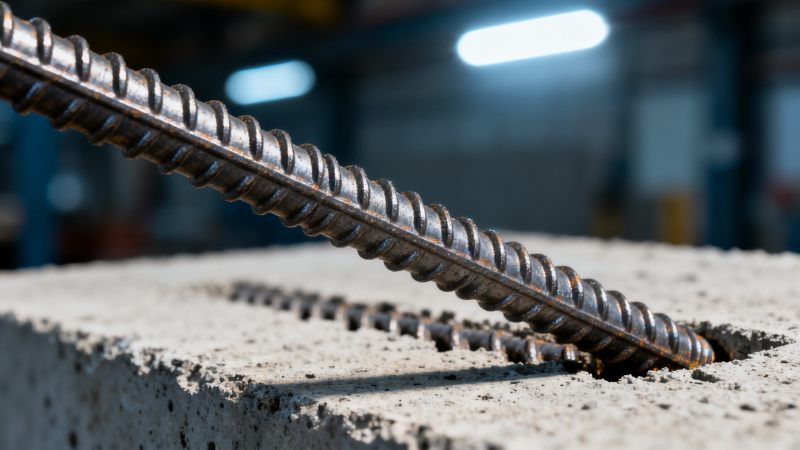
Deformed rebar derives its name from the intentional surface irregularities that create mechanical interlock with concrete. The rib geometry isn't arbitrary - international standards specify precise parameters for rib height (0.05-0.1×nominal diameter), spacing (0.7-1.0×rib height), and inclination angle (40°-60°). These deformations increase bond strength by 300-500% compared to smooth reinforcement bars.
Modern construction demands rebars that achieve consistent performance across varying concrete mixes. Our production process ensures each deformed rebar meets ASTM A615/A615M specifications for:
- Rib height tolerance ±0.002 inches
- Minimum 0.05 inch² cross-sectional area per foot
- Transverse rib spacing within 70-85% of nominal diameter
Critical Performance Factors in Different Applications
Seismic-Resistant Structures
High-rise buildings in earthquake zones require rebars with optimized deformation patterns that maintain bond strength during cyclic loading. Our seismic-grade rebars feature:
For projects requiring superior corrosion resistance, consider our DX52D Galvalume Steel Coil which offers 2-6 times longer lifespan than conventional galvanized coatings while maintaining excellent formability with yield strength not exceeding 260 MPa.
Marine Environments
Chloride exposure demands rebars with tightly controlled surface geometry to minimize crevice corrosion initiation. Our marine-grade products undergo additional surface treatment to achieve:
- Surface roughness (Ra) 3.2-6.3 μm
- Peak-to-valley height ≤50 μm
- Salt spray resistance ≥2000 hours
Manufacturing Process Quality Control
Precision in deformation rolling separates premium rebars from commodity products. Our manufacturing process implements:
- Laser-scanned rib geometry verification every 50 meters
- Automated eddy current testing for surface defect detection
- Statistical process control maintaining Cpk≥1.67
This ensures every shipment meets the strictest international standards including ISO 9001, SGS, and BV certification requirements.
Technical Selection Guidelines
When specifying deformed rebar for your project, consider these key parameters:
Why Partner With Hongteng Fengda
With 15 years of specialized experience in structural steel manufacturing, we provide:
- Custom rib patterns for specialized applications
- Mill test certificates with actual mechanical properties
- Just-in-time delivery with ±3-day accuracy
Contact our technical team to discuss your project's specific requirements for deformed rebar surface characteristics and performance specifications.
Please give us a message


Please enter what you want to find