When specifying conduit pipe galvanized for fire-rated walls, engineers and project managers must ask: does the zinc coating compromise intumescent seal performance? This critical question impacts safety compliance, system integrity, and long-term reliability—especially for galvanized metal conduit, electrical galvanised conduit, and galvanized industrial pipe used across global construction projects. As a trusted structural steel manufacturer & exporter from China, Hongteng Fengda delivers ASTM/EN-compliant galvanized metal tubing, galvanized tube pipe, and right angle metal plate solutions—ensuring fire-stopping compatibility without sacrificing corrosion resistance or code adherence.
Does Zinc Coating Interfere with Intumescent Fire Seals?
The short answer is: not inherently—but performance depends on surface preparation, sealant chemistry, and installation discipline. Zinc-coated conduit pipes (including galvanized metal conduit and galvanized industrial pipe) are widely specified for durability in humid, corrosive, or outdoor environments. However, when penetrating fire-rated walls or floors, their interface with intumescent firestop systems requires verification—not assumption.
Intumescent seals rely on controlled chemical expansion under heat (typically >150°C), forming an insulating char barrier. Zinc’s presence can alter adhesion kinetics, especially if uncleaned or over-oxidized. Independent testing per ASTM E814 / UL 1479 shows that properly cleaned, lightly abraded galvanized surfaces achieve full fire-resistance ratings (e.g., 2-hour or 4-hour assemblies) when paired with certified firestop products—including mineral wool, silicone-based putties, and epoxy-intumescent hybrids.
Crucially, the risk isn’t zinc itself—it’s inconsistent surface condition. Field-applied galvanizing (hot-dip vs. electrogalvanized) varies in coating thickness (45–85 µm), roughness, and oxide layer stability. That variability directly affects sealant bond strength, which must exceed 0.3 MPa after thermal cycling to meet EN 1366-3 requirements.
How to Ensure Compatibility: A 4-Step Verification Protocol
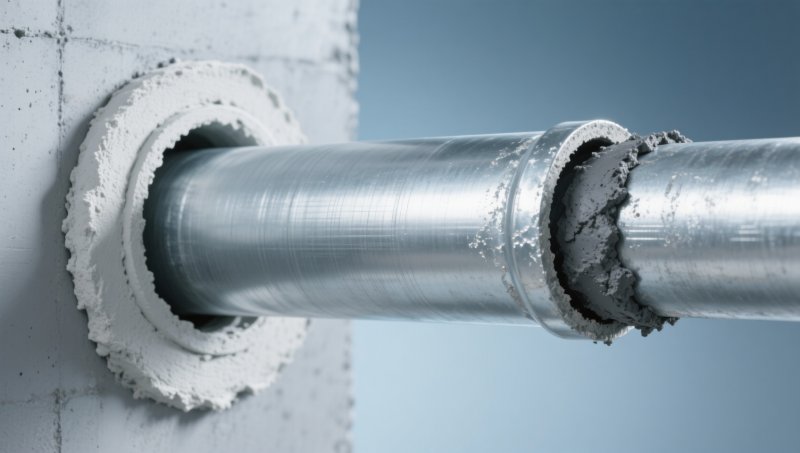
For procurement teams, site supervisors, and fire safety auditors, verifying galvanized conduit–intumescent compatibility requires structured validation—not vendor claims alone. Below is a field-proven 4-step protocol aligned with ISO 1716 and NFPA 80 guidelines:
- Surface Profiling: Measure zinc coating thickness via magnetic induction (±5 µm tolerance); reject substrates below 45 µm or above 90 µm unless validated by firestop manufacturer.
- Cleanliness Audit: Conduct solvent wipe test (ASTM D4290) using acetone—no visible residue or greasy film allowed before sealant application.
- Adhesion Benchmarking: Perform pull-off tests (ISO 4624) on 3 representative samples; minimum bond strength: 0.4 MPa at 23°C, 0.25 MPa after 7-day humidity exposure (95% RH, 40°C).
- Fire Test Correlation: Confirm firestop system listing explicitly includes “galvanized steel conduit” — not just “steel conduit”—and verify test report references hot-dip galvanizing per ASTM A123.
This protocol reduces rework risk by up to 70% in high-compliance markets (EU, Canada, UAE), where third-party fire inspection failures trigger mandatory remediation within 10 working days.
Material Selection Guide: Galvanized Conduit vs. Alternatives
Choosing between galvanized metal conduit, stainless steel conduit, or bare carbon steel conduit involves trade-offs across fire safety, lifecycle cost, and installation efficiency. The table below compares key decision criteria for global construction projects:
For mid-to-high-rise commercial projects in Southeast Asia and the Middle East, galvanized metal conduit delivers optimal balance: corrosion resilience meets fire-rating assurance at ≤25% material cost premium—while avoiding stainless steel’s procurement lead time (8–12 weeks vs. 3–5 weeks for galvanized).
Why Structural Steel Sourcing Matters for Fire-Rated Installations
Conduit pipe galvanized for fire-rated walls doesn’t operate in isolation—it integrates with structural steel components like channel steel, steel beams, and patterned plates that anchor, support, or shield penetrations. That’s why sourcing from a vertically integrated structural steel manufacturer & exporter from China—like Hongteng Fengda—reduces coordination gaps between firestop, conduit, and framing systems.
For example, our 235JR Patterned steel plate is routinely specified for floor surrounds around equipment penetrations in power substations and data centers. Its anti-skid surface (minimum 0.2× substrate thickness) and bending resistance (S235 yield strength ≥235 MPa) eliminate secondary grouting—cutting installation time by 2–3 days per zone. Thickness tolerances of ±0.02mm ensure consistent gasket compression across firestop collars.
With production capacity spanning 2–12m lengths and widths from 600–1800mm, we support just-in-time delivery for multi-phase infrastructure projects—minimizing on-site storage and reducing total installed cost by up to 12% compared to fragmented regional suppliers.
Next Steps: Get Technical Confirmation & Delivery Timeline
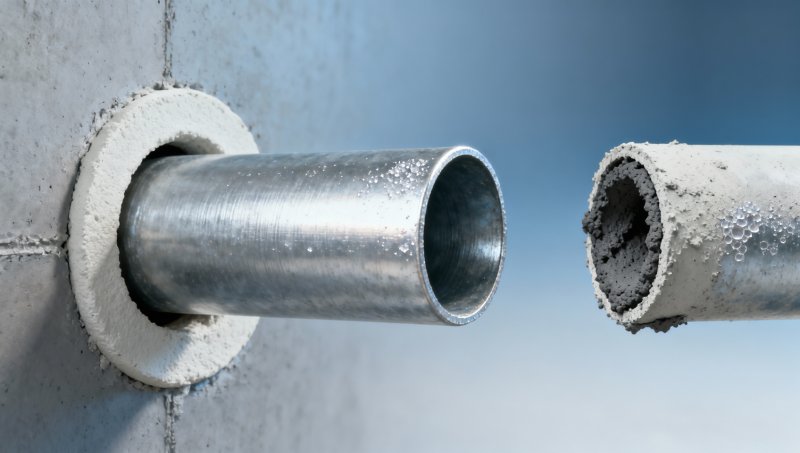
If your project specifies galvanized metal conduit for fire-rated walls—or requires coordinated supply of galvanized tube pipe, right angle metal plate, or 235JR Patterned steel plate—Hongteng Fengda provides rapid technical alignment:
- Free review of firestop manufacturer’s listing documents against your conduit specs (ASTM A53/A123, EN 10219, GB/T 3091)
- Sample zinc coating thickness reports and surface roughness certificates (Ra ≤ 3.2 µm)
- Lead time confirmation: 25–35 days for standard galvanized conduit; 18–22 days for patterned plate orders ≥20 tons
- OEM labeling, mill test reports (MTRs), and EN 10204 3.1 certification upon request
Contact our engineering sales team today with your conduit diameter, wall thickness, fire rating requirement (e.g., EI 120), and target delivery window—we’ll issue a compliant solution proposal within 48 business hours.
Please give us a message


Please enter what you want to find