When comparing coil coated steel and PPGI, buyers often focus on coating performance, cost, and application fit. For construction, manufacturing, and industrial sourcing, understanding these differences helps reduce risk and improve material selection. As a trusted PPGI Coil Factory and structural steel supplier, Hongteng Fengda supports global projects with reliable coil coated steel solutions, including Cold Rolled Steel Sheet in Coil for demanding environments.
What do coil coated steel and PPGI actually mean in steel purchasing?
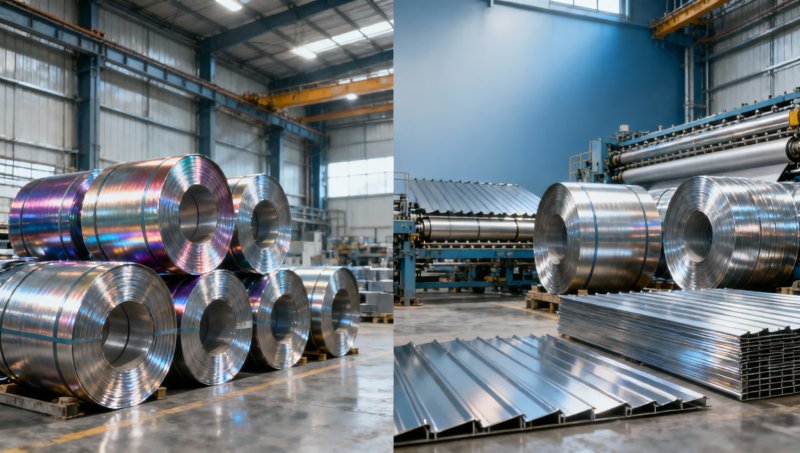
In steel trading, these two terms are related but not always interchangeable. Coil coated steel is a broader processing concept. It refers to flat steel coil that is continuously cleaned, chemically treated, primed, and top-coated on a production line before fabrication. PPGI, or pre-painted galvanized iron, is one specific type within that category. In simple terms, all PPGI belongs to coil coated steel, but not all coil coated steel is PPGI.
This distinction matters because technical evaluators, procurement teams, and project managers often compare quotations that use different wording. One supplier may offer coil coated steel based on galvanized substrate, another on galvalume or cold rolled base, and a third may only describe the paint system. If the substrate, coating mass, paint thickness, and service environment are not aligned, a low initial price can turn into early corrosion, warranty disputes, or replacement costs within 2–5 years.
For global buyers, especially those sourcing from China for construction, appliances, enclosures, ducting, roofing, and fabricated components, the right question is not only “PPGI or coil coated steel?” It is “Which coil coated system matches the end-use exposure, fabrication method, and compliance requirements?” That shift improves communication between operators, QC staff, business evaluators, and finance approvers.
Hongteng Fengda supports this type of decision by combining export supply experience with standard-based manufacturing control. For many projects, the material selection process should be divided into 3 stages: substrate confirmation, coating specification review, and delivery plus inspection planning. This reduces sourcing ambiguity before mass production or site installation begins.
Basic terminology that often causes confusion
Buyers often see terms such as PPGI, PPGL, prepainted steel coil, coated steel coil, color coated steel, and painted galvanized coil in quotations or technical sheets. These names overlap, but they do not always describe the same base metal or corrosion resistance level. In coastal, industrial, or high-humidity zones, those differences directly affect maintenance frequency and service life expectations.
- Coil coated steel: a general category covering continuously painted steel coil with different substrates and paint systems.
- PPGI: pre-painted galvanized steel, usually using a zinc-coated substrate.
- PPGL: pre-painted galvalume steel, usually using Al-Zn coated substrate for different corrosion behavior.
- Cold rolled painted coil: may offer appearance benefits, but without metallic coating it is not equivalent to exterior-grade PPGI for many outdoor uses.
For this reason, procurement documents should define at least 5 key points: base steel grade, metallic coating type, coating mass, paint system, and target application. Without these, comparison across 3–4 suppliers is often misleading.
Coil coated steel vs PPGI: which differences matter most?
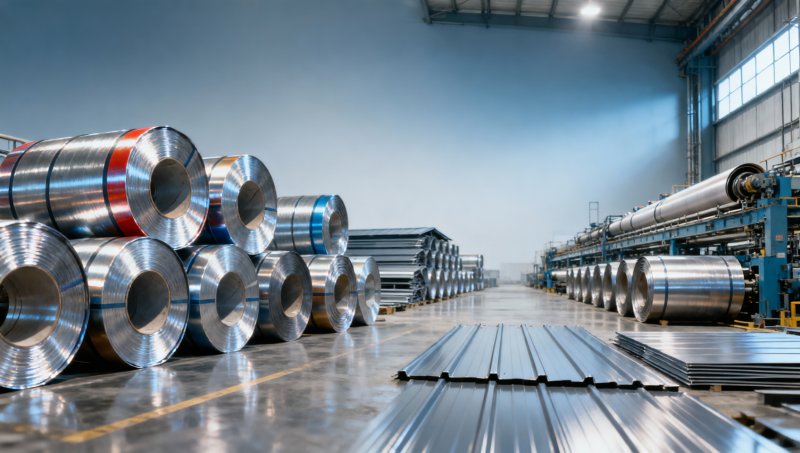
The practical difference is not just terminology. It affects corrosion protection, forming behavior, paint durability, cost structure, and downstream processing. For end users and distributors, the core issue is whether the offered material can handle indoor, semi-exposed, or fully exposed service conditions over a realistic maintenance cycle such as 3–10 years or longer depending on environment and coating design.
PPGI usually relies on a galvanized steel substrate, which provides zinc-based sacrificial protection under the paint layer. General coil coated steel may use galvanized, galvalume, aluminum, stainless, or cold rolled substrates. Because of this wider scope, the phrase coil coated steel alone does not tell the buyer enough. A technical sheet or confirmed order specification must complete the picture.
When the project includes roofing, wall cladding, sandwich panels, doors, electrical cabinets, or roll-formed components, the substrate and coating build should match the forming radius, edge exposure, and operating environment. This is why many experienced project teams review not only top coat thickness but also primer layer, back coat, and bend performance before approving supply.
The table below summarizes the differences in a way that helps technical, purchasing, and commercial teams make aligned decisions.
For search and sourcing purposes, this means PPGI is best treated as a subcategory of coil coated steel. If a supplier only says “coil coated steel,” ask for substrate confirmation, coating mass, paint type, and intended exposure class before final approval. That simple step often prevents rework, claim handling, and accelerated corrosion at cut edges.
How coating systems affect real performance
Performance depends on the full system, not one number alone. A typical prepainted steel structure includes pretreatment, primer, top coat, and back coat on a metallic-coated substrate. Common total paint thickness ranges may vary by project specification, while metallic coating mass and resin selection also change with end use. Indoor applications may accept one balance of cost and appearance, while outdoor roofing or aggressive industrial use demands a more robust design.
Key factors to review before approving material
- Substrate type: galvanized for common PPGI, or alternative bases for broader coil coated steel options.
- Metallic coating level: relevant for corrosion resistance at scratches, edges, and cut zones.
- Paint chemistry: polyester, SMP, PVDF, and other systems influence chalking, gloss retention, and weatherability.
- Forming requirement: tighter bends or roll-forming lines need coating flexibility and adhesion control.
For many building and industrial projects, failing to review these 4 dimensions creates more risk than the headline price difference between two offers.
Which material fits which application and budget?
Application fit is where many sourcing decisions succeed or fail. If the end use is interior furniture paneling, electrical cabinet skins, or light industrial covers, a broader coil coated steel option may be sufficient. If the use involves roofing sheets, curtain wall support skins, warehouse cladding, or exposed building panels, PPGI is often the more direct and clearly defined choice, provided the zinc layer and paint system match the environment.
Budget approval also becomes easier when teams compare lifecycle exposure instead of only first cost. A lower-cost painted cold rolled coil may look acceptable at delivery, but in humid or outdoor conditions it can require earlier replacement. For finance reviewers, the difference between a 12-month appearance issue and a multi-year stable performance window is more important than a small saving per ton at the time of purchase.
In mixed-material projects, it is also common to combine coil coated steel products with stainless solutions in high-heat or corrosion-sensitive sections. For example, when process lines, heat-exposed units, or chemical-adjacent systems need greater oxidation resistance, buyers may add 321 Stainless Steel Pipe to the same procurement package. Its titanium-stabilized composition, superior high-temperature strength, and oxidation resistance make it suitable for boilers, heat exchangers, aerospace piping, petroleum and chemical industries, and machinery fields where painted carbon steel is not the right answer.
This kind of combined sourcing strategy is practical for EPC contractors and industrial fabricators. It allows exterior panels, structural members, and enclosure components to use cost-efficient coil coated steel or PPGI, while heat-sensitive pipe sections use materials certified to common standards such as ASTM, AISI, JIS, EN, DIN, BS, and GB. Typical available forms may include cold drawn, hot drawn, cold rolled, and hot rolled, with thickness 0.3–30 mm, outer diameter 8–219 mm, and standard length 5.8 m or 6 m, plus custom cutting.
Application-based selection table
The following matrix helps procurement and engineering teams match coil coated steel or PPGI to common use cases without overspecifying or underspecifying the order.
The key takeaway is that material choice should follow exposure, fabrication process, and maintenance expectations. This is especially important when order quantities move from sample coil to container-scale supply or regular monthly procurement.
What should buyers, engineers, and QC teams check before placing an order?
A good purchase decision is not based on one catalog page. It requires a structured review across technical, commercial, and logistics checkpoints. In practice, most sourcing risks can be reduced through a 4-step process: confirm use environment, lock material specification, verify inspection scope, and align shipment schedule. This is useful for distributors, OEM buyers, project contractors, and plant maintenance departments alike.
For steel coil procurement, buyers should request not only nominal thickness and color, but also substrate grade, metallic coating details, paint system, tolerance expectations, and packing method. In export business, packaging and moisture protection matter because sea transport can last 2–6 weeks depending on destination. Improper packing can damage even correctly produced material.
Hongteng Fengda works with global customers across North America, Europe, the Middle East, and Southeast Asia, where standards, weather exposure, and installation practices vary. That is why order evaluation should include both manufacturing data and project-side constraints. A material that passes factory inspection may still be unsuitable if the site requires severe roll forming, heavy edge cutting, or open-air storage before installation.
The checklist below can help internal teams align engineering, purchasing, QC, and finance before issuing a purchase order.
Five key checks before order confirmation
- Define the service environment clearly: indoor, outdoor, coastal, high humidity, or industrial atmosphere.
- Confirm whether the requirement is generic coil coated steel or specifically PPGI with galvanized substrate.
- Review processing method: bending radius, stamping, roll forming, cutting frequency, and storage period.
- Check standards and documents: ASTM, EN, JIS, or GB requirements, plus test certificates and packing details.
- Align delivery plan: sample stage, trial order, bulk order, and expected lead time window such as 15–30 days for standard production schedules depending on specification and quantity.
These 5 checks are often enough to filter out unclear offers and improve supplier comparability. For many procurement departments, they also simplify internal approval because technical and commercial terms become easier to verify.
Standards and compliance considerations
Compliance should be practical, not symbolic. Depending on market and application, buyers may need alignment with ASTM, EN, JIS, or GB standards for substrate, dimensions, and testing. In some regions, project documents also define acceptable coating categories, color tolerances, salt spray expectations, or mechanical properties. The purpose is not to chase unnecessary complexity, but to ensure the purchased coil can be inspected consistently from mill to fabrication site.
Common documents to request
- Material test certificate covering base metal and coating information.
- Packing list and coil identification for traceability across batches.
- Inspection agreement defining thickness, appearance, adhesion, and dimensional checks.
For repeat orders every month or every quarter, document consistency is almost as important as price stability.
Common mistakes, practical FAQs, and how to move forward
Many problems in coated steel purchasing come from assumptions. Teams assume that PPGI and coil coated steel are always the same, that all painted coils can be used outdoors, or that color matching means full technical equivalence. In reality, substrate, coating chemistry, and fabrication method determine whether the material performs well after 6 months, 12 months, or several years of service.
Another common mistake is separating structural steel procurement from coated steel procurement too strictly. For project-driven buyers, sourcing works better when structural members, coil products, and custom steel components are reviewed as one system. Hongteng Fengda supports that integrated approach with structural steel manufacturing, export coordination, OEM support, and standard-based quality control for international projects.
If your team is comparing 2–3 suppliers, evaluating sample coils, or preparing a bulk order for construction and industrial use, the fastest route is to define your environment, required standards, fabrication process, and target delivery schedule first. Then the supplier can propose whether PPGI or another coil coated steel solution is more appropriate.
Below are several focused questions that frequently come up during selection and approval.
Is PPGI better than generic coil coated steel?
Not automatically. PPGI is easier to define because the substrate is usually galvanized steel, so it often fits building and visible panel applications well. But a broader coil coated steel solution may be more suitable if the project requires a different substrate, special finish, or interior-use cost target. The better choice depends on exposure, forming needs, and maintenance expectations.
What is the usual lead time for coated steel orders?
Lead time depends on thickness, color, coating type, quantity, and production scheduling. For standard export orders, buyers often plan around a multi-week cycle for production plus transit. If color matching, custom packing, or mixed-specification container loading is required, extra time may be needed. Confirming specifications early usually shortens the process more effectively than accelerating approval at the last minute.
What should QC teams inspect when goods arrive?
QC should review coil identification, surface condition, thickness consistency, packaging integrity, and visible transport damage first. Then compare documents with ordered specification, including substrate description and coating system details. For fabrication users, a small trial on bending or cutting is also useful before full production starts, especially for new suppliers or first-time specifications.
Why choose us for project-based steel sourcing?
Hongteng Fengda combines structural steel manufacturing and export service with a practical understanding of coated steel procurement. That helps customers source angle steel, channel steel, steel beams, cold formed steel profiles, customized structural steel components, and related steel solutions through one coordinated supplier base. For buyers managing cost, lead time, and compliance at the same time, this reduces communication gaps across 3 common risk areas: specification mismatch, unstable quality, and delivery uncertainty.
You can contact us for parameter confirmation, PPGI and coil coated steel selection advice, substrate and coating review, customized structural steel matching, sample support, delivery schedule discussion, export packing requirements, and quotation comparison. If your project also includes heat-resistant or corrosion-sensitive piping sections, we can discuss how 321 Stainless Steel Pipe and other steel products may fit into a complete sourcing plan.
Please give us a message


Please enter what you want to find