For procurement teams, the biggest risk with coated steel pipe is not the obvious dent or missing bundle tag. It is the defect that looks acceptable at receiving but later causes coating failure, corrosion, rework, or schedule delay. The safest approach is to inspect delivery with a buyer’s checklist, not only a warehouse checklist.
This article explains the defects that are easiest to miss, why they matter, and how buyers can confirm acceptance before the material enters production or site use. The goal is simple: reduce dispute risk, protect project quality, and avoid hidden cost.
Why delivery inspection matters more than a quick visual check
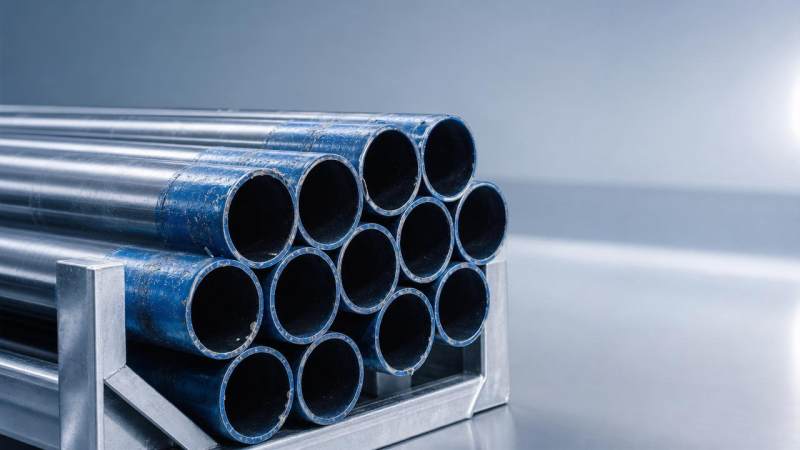
At delivery, coated steel pipe may appear complete even when the coating system, surface preparation, or handling condition is already compromised. Many problems only become visible after cutting, welding, storage, or outdoor exposure.
That is why procurement teams should check not just quantity and size, but also coating integrity, traceability, and consistency across the shipment. A few extra minutes at receiving can prevent expensive claims later.
The defects buyers miss most often
One common issue is micro-cracking or hairline damage in the coating. It may not look serious under normal lighting, but it can become a corrosion entry point once the pipe is cut or installed.
Another hidden defect is uneven coating thickness. Areas with thin coverage, especially at edges, weld seams, and ends, often fail first in service. Buyers should not assume a smooth appearance means uniform protection.
Blistering, pinholes, and trapped contamination are also easy to overlook. These defects may be small in number, but they can indicate poor surface preparation or curing problems across the batch.
Color inconsistency can signal process instability, but it is often ignored because it seems cosmetic. For coated steel pipe used in visible or outdoor applications, color variation may also suggest different coating lots or uneven application.
What to check before you sign acceptance
Start with documentation. Match heat numbers, batch numbers, coating specification, and delivery quantity against the purchase order and inspection report. If paperwork is inconsistent, physical inspection alone is not enough.
Then check the coating surface under good light. Look for scratches, peeling, bubbles, edge damage, rust bleed, and impact marks at pipe ends. Pay special attention to areas that may have been rubbed during transport.
Measure key dimensions if the project is tolerance-sensitive. Some buyers focus only on the coating, but out-of-roundness, wall variation, or length deviation can still cause assembly problems.
For projects that require structural reliability, many buyers also source complementary steel members from the same supplier family. If you need a matched section for framing or support, consider H-beam as a related option for load-bearing applications.
Why hidden defects create cost pressure for buyers
Hidden coating defects usually do not stay hidden for long. Once the pipe is welded, cut, or exposed to moisture, the buyer may face repainting, replacement, delayed installation, or customer complaints.
For procurement managers, the real cost is not just the rejected material. It is the total impact on project timing, labor planning, and supplier credibility. A low-price shipment can become expensive if delivery quality is not controlled.
This is especially important for buyers serving industrial plants, infrastructure contractors, or export projects, where replacement time is long and site access is limited.
How to reduce acceptance risk with suppliers
Buy from suppliers that can clearly state coating process, testing method, and standards. Ask for thickness records, adhesion evidence, and packaging details before shipment, not after a complaint.
Request photo evidence from production and loading stages. Good suppliers can show end protection, bundle condition, and surface status before dispatch. This makes delivery disputes easier to resolve.
If possible, agree on acceptance criteria in advance. Define what counts as acceptable scratch depth, coating damage area, or rework threshold. Clear rules reduce subjective arguments at receiving.
For large or repeat orders, sample inspection is better than relying on one-time visual approval. A small investment in inspection often saves far more than the cost of one rejected batch.
What buyers should remember before final acceptance
Coated steel pipe defects are often missed not because they are rare, but because they are subtle and easy to dismiss. The most important inspection focus is not appearance alone, but whether the coating system can still perform after delivery, handling, and installation.
If your team checks documentation, surface condition, thickness consistency, and transport damage together, you can make a much safer acceptance decision. In procurement, that discipline is usually what separates a smooth project from a costly dispute.
Please give us a message


Please enter what you want to find