Carbon Steel Tube Grades and Uses: How to Match Strength, Weldability, and Cost
Selecting the right carbon steel tube means balancing strength, weldability, corrosion resistance, and budget for the job at hand.
For technical evaluation, grade selection affects fabrication efficiency, service life, and procurement risk.
A tube that looks acceptable on paper may still create welding delays, distortion, or avoidable material cost.
This guide explains how carbon steel tube grades differ and how to match properties with real project needs.
Why grade selection matters in carbon steel tube sourcing
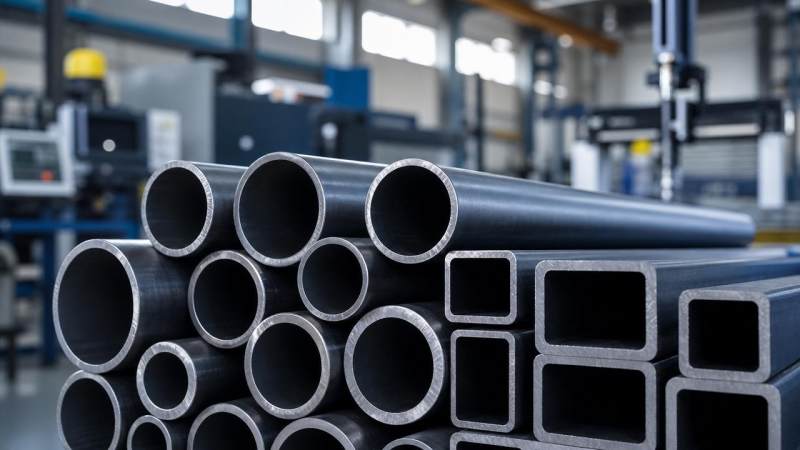
Not all carbon steel tube products perform the same, even when dimensions are similar.
Grade choice influences yield strength, tensile strength, toughness, formability, and joining behavior.
In structural and industrial projects, those differences directly affect safety margins and fabrication cost.
In actual purchasing work, the better question is not which grade is best.
The better question is which carbon steel tube grade fits the design load, process route, and budget.
That also means over-specifying can be as costly as under-specifying.
A higher-strength tube may reduce section weight, but it can also raise processing complexity.
Common carbon steel tube grades and what they mean
Most carbon steel tube selections start with the governing standard.
Common references include ASTM, EN, JIS, and GB, depending on market and project approval requirements.
Within those systems, popular grades often include mild steel and low-alloy structural options.
Typical grade families
- ASTM A500 Grade B and Grade C for structural tubing.
- ASTM A53 for general mechanical and pressure-related applications.
- EN S235, S275, and S355 for structural use in European markets.
- GB Q235 and Q355 for common structural and fabrication demand.
These grades may appear close in chemistry, yet practical performance can differ noticeably.
The key is to compare strength level, carbon content, delivery condition, and weldability requirements together.
Quick comparison table
How to balance strength in carbon steel tube selection
Strength is usually the first screening factor for carbon steel tube evaluation.
Design loads, span, vibration, impact, and buckling risk all matter.
Higher yield strength can support thinner walls or smaller sections.
Still, that is only valuable when fabrication and code acceptance stay manageable.
When moderate strength is enough
For light structures, supports, guards, frames, and secondary members, moderate grades often work well.
In those cases, a lower-cost carbon steel tube can simplify procurement without harming performance.
When higher strength adds value
For load-bearing columns, equipment structures, transport frames, or long-span systems, stronger grades may justify the premium.
The gain comes from weight reduction, improved section efficiency, or lower installation mass.
But if the design does not capture those savings, the upgrade may simply increase cost.
Weldability: the hidden cost factor in carbon steel tube projects
Weldability is where many carbon steel tube decisions become more practical than theoretical.
A grade with higher carbon equivalent may still be acceptable, but it can demand tighter process control.
That may include preheating, filler selection, slower throughput, or more inspection time.
From a recent market view, more buyers now evaluate weldability alongside price at the RFQ stage.
That shift reflects the real cost of shop delays and rework.
Questions worth asking suppliers
- What is the actual chemical composition range for the offered carbon steel tube?
- Is the tube hot finished or cold formed?
- Are impact, flattening, or bend test results available?
- Does the mill provide traceable MTC documentation?
These details help predict shop performance, not just theoretical material compliance.
Corrosion exposure and service environment
Standard carbon steel tube is not inherently corrosion resistant.
Its long-term performance depends on coating, drainage design, maintenance access, and operating environment.
For indoor dry service, plain carbon steel tube may be fully adequate.
For outdoor, coastal, humid, or chemical conditions, protection strategy becomes critical.
This also affects total cost, because repainting and shutdowns can exceed the original material savings.
In broader steel packages, anti-skid or exposed walking surfaces may require matching materials nearby.
For example, platforms often combine carbon steel tube framing with SM400A Patterned steel plate for traction and durability.
That plate is widely used in transportation, construction, machinery, and shipbuilding floor areas.
Typical thickness is 2-8mm, with patterned surface benefits such as anti-skid performance and steel saving.
How to compare cost without missing hidden risks
Price per ton is only the starting point in carbon steel tube evaluation.
A better comparison includes processing yield, weld time, scrap rate, coating demand, and delivery reliability.
More obvious signals often appear in project coordination rather than in the unit quote.
If lead times are unstable, a cheaper carbon steel tube may create schedule exposure.
If straightness or dimensional tolerance is inconsistent, fit-up cost may rise fast.
A practical cost checklist
- Confirm standard, grade, and mechanical property minimums.
- Review tube size tolerance and surface condition.
- Estimate welding hours and consumable impact.
- Check coating or galvanizing compatibility.
- Compare supplier capacity and delivery consistency.
- Validate inspection documents before shipment.
This process gives a more realistic total-cost view than simple tonnage pricing.
Matching carbon steel tube grades to common applications
Application context usually clarifies grade choice quickly.
A few examples make the selection logic easier to apply.
General building frames
For light to medium structural frames, moderate-strength carbon steel tube is often the economical choice.
Good weldability and broad availability usually matter more than maximum strength.
Machinery and equipment supports
For dynamic loads or compact support frames, stronger carbon steel tube grades may improve stiffness and design efficiency.
Here, dimensional accuracy and weld quality become especially important.
Outdoor platforms and industrial walkways
Tube frames in these systems need coating planning and slip-resistant deck materials.
In that combination, SM400A Patterned steel plate can complement the structural package with patterned anti-skid surface performance.
Export fabrication projects
For international supply, the chosen carbon steel tube should align with local code expectations and documentation practice.
Equivalent grades are useful, but certified compliance still needs careful confirmation.
What to ask before placing a carbon steel tube order
Before ordering, turn technical assumptions into clear supply terms.
- Specify grade, standard, size, wall thickness, and length tolerance.
- Confirm whether the carbon steel tube is seamless, ERW, or another process route.
- Request MTCs, inspection scope, and traceability requirements.
- Clarify coating, marking, packing, and shipment conditions.
- Check whether substitute grades are allowed or prohibited.
These points reduce disputes and make supplier comparison more accurate.
Final take on selecting the right carbon steel tube
The right carbon steel tube is rarely the strongest or the cheapest option alone.
It is the grade that matches structural demand, fabrication reality, service environment, and sourcing reliability.
When strength, weldability, and cost are evaluated together, project risk becomes easier to control.
For global buyers, working with an experienced structural steel manufacturer helps turn those requirements into stable supply.
Hongteng Fengda supports construction, industrial, and manufacturing projects with reliable steel products, OEM solutions, and export-focused service.
A careful grade review at the start often saves much more than it costs later.
Please give us a message


Please enter what you want to find