C section steel lightweight design is most effective when strength, material efficiency, and installation speed must be balanced in structural or industrial applications. For technical evaluators, the key is determining whether the open-profile geometry, load-bearing direction, span requirements, and connection method align with project performance criteria. This article examines where lightweight C section steel delivers real value, where its limitations appear, and how proper specification can help reduce weight, control costs, and maintain reliable structural performance.
Where C Section Steel Lightweight Design Creates Measurable Value
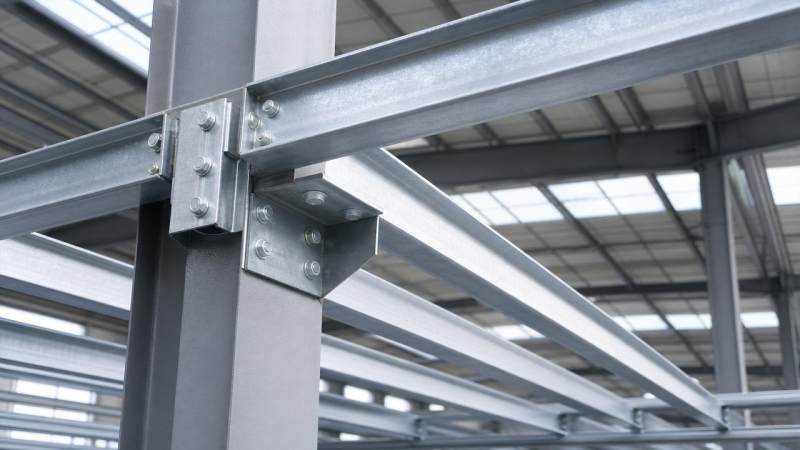
C section steel lightweight design works best when the profile is used in the direction where its section geometry supports efficient bending resistance.
Unlike solid bars or heavier closed sections, C channels provide a practical strength-to-weight ratio for secondary structures, frames, supports, and modular assemblies.
Best-fit applications for technical evaluation
- Roof purlins and wall girts where distributed loads are predictable and span lengths can be checked against deflection limits.
- Equipment frames where reduced dead weight helps simplify handling, installation, and later maintenance access.
- Cable trays, supports, and service platforms where load direction is controlled and connection points are clearly defined.
- Prefabricated steel assemblies where repeatable dimensions, fast bolting, and transport efficiency influence total project cost.
For evaluators, C section steel lightweight design should not be judged only by mass reduction. It must be checked against stiffness, torsion, connections, and corrosion exposure.
How to Judge Whether the Open Profile Is Structurally Appropriate
The open shape of C section steel is both its advantage and its constraint. It saves material, but it requires careful orientation and bracing.
A technical review should start with load path clarity. If the member is exposed to twisting, eccentric loading, or lateral instability, additional checks become essential.
The following table summarizes common evaluation points for C section steel lightweight design in real structural and industrial projects.
This comparison shows why C section steel lightweight design is a specification task, not simply a material substitution exercise.
When Lightweight C Channels Outperform Heavier Alternatives
C section steel lightweight design often outperforms heavier sections when the project rewards fast installation, lower transport weight, and efficient material utilization.
However, it is not automatically better than I beams, square hollow sections, or hot rolled channels. The decision depends on function.
Comparison with common structural steel options
Technical evaluators can use this comparison to identify where C section steel lightweight design fits the expected performance envelope.
The strongest procurement result usually comes from matching the section to the actual load case, not from selecting the lightest visible profile.
Specification Factors That Decide Performance and Cost
A successful C section steel lightweight design depends on more than nominal size. Thickness, steel grade, tolerance, coating, and fabrication accuracy all influence reliability.
For global sourcing, the specification should also reference applicable standards such as ASTM, EN, JIS, or GB where required by the project.
Key details to confirm before ordering
- Confirm web depth, flange width, lip size, thickness, and length tolerance based on drawings or engineering calculations.
- Specify whether the profile is cold formed, hot rolled, punched, slotted, galvanized, painted, or supplied as bare steel.
- Define packing, marking, bundle weight, and container loading constraints for export logistics and site handling.
- Clarify inspection requirements, mill test certificates, dimensional reports, and third-party checks when project compliance demands them.
Hongteng Fengda supports standard specifications and OEM structural steel components for buyers who need controlled sourcing from China.
Mid-project Interfaces: Why Adjacent Steel Products Also Matter
Many projects using C section steel lightweight design also require retaining, foundation, drainage, or temporary works components around the main structure.
For example, Hot Rolled Steel Sheet Pile can form continuous retaining walls or water retaining walls in civil and waterfront works.
Available options include U Sheet Pile models in materials such as S275, S355, S390, S430, SY295, SY390, and ASTM A690.
Technical reference for integrated steel procurement
The following data helps evaluators coordinate structural channels with sheet pile procurement where the project includes retaining or water-control works.
Coordinated sourcing can reduce communication gaps between structural profiles, retaining components, fabrication drawings, and delivery scheduling.
Procurement Checklist for C Section Steel Lightweight Design
Technical evaluators often face incomplete drawings, tight deadlines, and budget pressure. A structured checklist reduces ambiguity before quotation and production.
C section steel lightweight design should be communicated using measurable requirements rather than general phrases such as “light channel” or “strong enough.”
Practical RFQ information to provide
- Profile dimensions, thickness, steel grade, length, end finish, hole layout, and drawing revision number.
- Expected load case, support spacing, environmental exposure, coating requirement, and installation method.
- Applicable standards, test certificate requirements, inspection scope, and documentation language for customs or project approval.
- Required shipment date, destination port, packing restrictions, and whether mixed structural steel products are consolidated.
With clearer input, suppliers can assess manufacturability, recommend alternatives, and reduce the risk of costly changes after production begins.
Common Mistakes That Reduce Lightweight Design Benefits
C section steel lightweight design can lose its cost advantage when evaluators focus only on unit price or nominal weight.
The more important question is whether the final installed system remains stable, accessible, compliant, and economical across its full service condition.
Mistakes to avoid during selection
- Selecting a thinner profile without checking local buckling, deflection, and connection bearing capacity.
- Ignoring torsion where equipment vibration, side loads, or eccentric brackets act on the open channel.
- Using inconsistent standards across drawings, purchase orders, certificates, and inspection reports.
- Forgetting packaging and transport limits, which can affect long channels during export shipment and site unloading.
A technically sound C section steel lightweight design keeps the entire system in view, from calculation and fabrication to delivery and installation.
FAQ for Technical Evaluators
How do I know if C section steel lightweight design is suitable for my project?
Start by checking load direction, span, deflection limit, and lateral restraint. If loads are predictable and bracing is available, it is often suitable.
Is cold formed C section steel always lighter than hot rolled channel steel?
It is often lighter for comparable secondary framing roles, but the correct choice depends on grade, thickness, tolerance, impact exposure, and connection design.
What documents should be requested before shipment?
Common documents include packing lists, dimensional records, mill test certificates, coating information, and inspection reports when required by the project contract.
Can C section steel lightweight design reduce total project cost?
Yes, when material savings, easier handling, faster installation, and lower transportation weight exceed any added bracing or fabrication requirements.
Why Choose Hongteng Fengda for Structural Steel Evaluation and Supply
Hongteng Fengda manufactures and exports structural steel products from China for construction, industrial, and manufacturing projects across global markets.
Our supply scope includes angle steel, channel steel, steel beams, cold formed steel profiles, and customized structural steel components.
What you can discuss with our team
- Parameter confirmation for C section steel lightweight design, including size, thickness, grade, length, and hole requirements.
- Product selection across channel steel, beams, angle steel, cold formed profiles, and customized components.
- Delivery planning for export orders, including lead time, packing method, container loading, and mixed-product shipment coordination.
- Certification and standard alignment for ASTM, EN, JIS, and GB requirements based on project destination.
- Quotation communication, sample support where applicable, and OEM feasibility review before formal production.
If your project requires C section steel lightweight design with reliable sourcing, share drawings, standards, quantities, and delivery expectations for a focused technical review.
Please give us a message


Please enter what you want to find