Angle Bars with Holes: Essential Components in Modern Construction
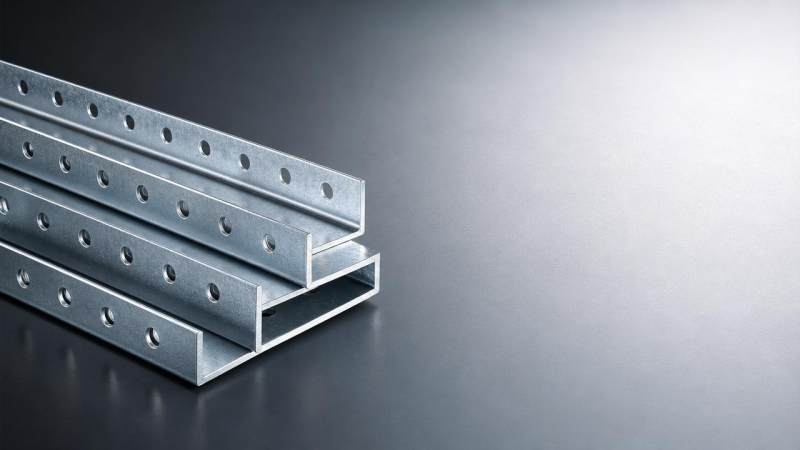
Angle bars with holes have become fundamental structural elements across global construction projects. These pre-drilled steel components combine the strength of traditional angle bars with enhanced assembly efficiency.
Key Advantages of Perforated Angle Bars
The strategic placement of holes in angle bars delivers multiple functional benefits:
- Simplified bolted connections reduce welding requirements
- Precision alignment for faster structural assembly
- Adjustable positioning flexibility during installation
- Reduced labor costs through time-saving installation
- Compatibility with various fastener types and sizes
Primary Applications in Construction Projects
Construction professionals utilize angle bars with holes in diverse structural applications:
Structural Framing Systems
Perforated angles serve as essential components in:
- Pre-engineered building frameworks
- Modular construction connections
- Steel truss joint reinforcements
- Mezzanine floor support systems
Bracing and Reinforcement
The holes enable secure bracing applications including:
- Diagonal wind bracing systems
- Seismic reinforcement connections
- Structural retrofit projects
- Temporary construction supports
Technical Specifications and Material Standards
Quality angle bars with holes meet rigorous international standards:
- ASTM A36 for general structural use
- EN 10025 for European construction projects
- JIS G3101 for Japanese specifications
- GB/T 706 for Chinese construction standards
For projects requiring enhanced corrosion resistance, Galv Steel Tube products offer zinc-coated protection. These components feature thickness options from 0.1mm to 300mm with precise hole positioning.
Hole Configuration Options
Manufacturers provide various hole patterns:
Selection Criteria for Construction Projects
Key factors when specifying angle bars with holes:
- Material grade matching structural requirements
- Hole diameter compatibility with fasteners
- Edge distance maintaining structural integrity
- Surface treatment for environmental conditions
- Manufacturing tolerances ensuring proper fit
Load-Bearing Considerations
Engineers must evaluate:
- Reduced cross-section at hole locations
- Potential stress concentrations
- Bolt bearing capacity calculations
- Connection stiffness requirements
Innovations in Perforated Angle Bar Technology
Recent advancements include:
- Laser-cut precision hole patterns
- Automated drilling for mass production
- Custom hole configurations for specialized applications
- Integrated marking systems for assembly
These developments enhance both structural performance and installation efficiency.
Sustainable Manufacturing Practices
Leading manufacturers implement:
- Material optimization reducing waste
- Energy-efficient production processes
- Recyclable steel compositions
- Precise cutting minimizing scrap
Global Standards Compliance
International projects require angle bars meeting:
- ASTM standards for North America
- EN standards for European projects
- JIS certifications for Asian markets
- GB standards for Chinese construction
Hongteng Fengda maintains comprehensive certification across these standards.
Quality Assurance Processes
Rigorous testing ensures:
- Precise hole positioning accuracy
- Consistent material properties
- Surface finish durability
- Dimensional tolerance compliance
Future Applications and Market Trends
Emerging uses for angle bars with holes include:
- Modular building systems
- Temporary disaster relief structures
- Renewable energy support frames
- Prefabricated bridge components
The construction industry continues finding innovative applications for these versatile components.
Please give us a message


Please enter what you want to find