For quality control and safety teams, understanding ASTM A6 tolerances for high strength steel is essential to verifying dimensional accuracy, reducing inspection risks, and ensuring structural reliability before materials enter fabrication or construction.
From steel beams and channels to custom structural components, tolerance compliance directly affects fit-up, load performance, and project safety.
This article explains the key inspection points and practical considerations when evaluating high strength structural steel under ASTM requirements.
ASTM A6 Tolerances for High Strength Steel: Why a Checklist Matters
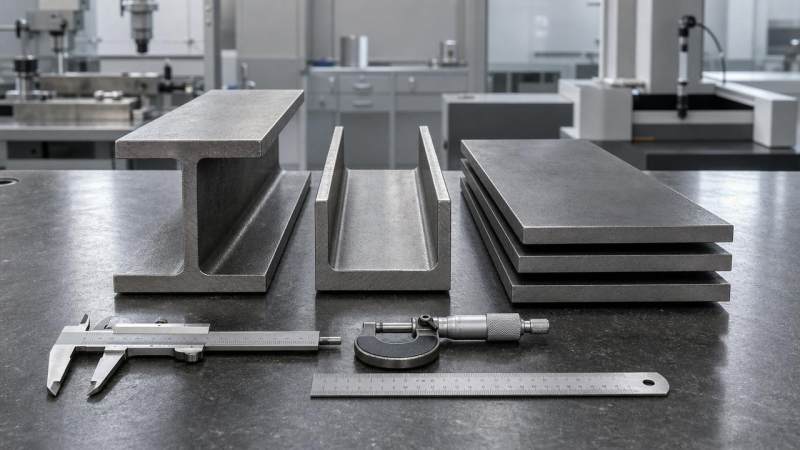
ASTM A6 tolerances for high strength steel define accepted dimensional variation for rolled structural shapes, plates, bars, and related products.
A checklist turns technical limits into repeatable inspection actions. It helps verify length, straightness, camber, sweep, thickness, flange dimensions, and surface condition.
High strength steel may meet mechanical requirements but still fail project expectations if dimensional tolerance is ignored.
For steel structures, small deviations can affect bolting, welding, alignment, and load transfer. Early inspection reduces rework and installation delays.
Core Inspection Checklist for ASTM A6 Tolerances
Use this checklist when reviewing ASTM A6 tolerances for high strength steel before acceptance, processing, or shipment release.
- Confirm the product form first, because ASTM A6 tolerance rules differ for beams, channels, angles, plates, bars, and special structural shapes.
- Verify the applicable ASTM grade, purchase specification, and drawing notes before applying any dimensional limit to high strength steel.
- Measure length against order requirements, then record whether the supplied material follows ordered length, mill length, or agreed cutting tolerance.
- Check thickness, web depth, flange width, and leg dimensions using calibrated gauges at multiple points along the steel member.
- Inspect straightness, camber, and sweep because long structural members can pass sectional checks but fail alignment during fabrication.
- Review squareness and end condition where members will be welded, bolted, spliced, or assembled with tight construction tolerances.
- Document surface condition separately, since surface imperfections may be acceptable only when they do not reduce required strength or usability.
- Compare measured data with ASTM A6 tolerances for high strength steel and any stricter project-specific tolerance written into the contract.
- Segregate nonconforming pieces immediately, mark them clearly, and prevent accidental mixing with released steel prepared for fabrication.
- Retain inspection records, calibration certificates, heat numbers, and mill certificates to support traceability during audits or claims.
Key Dimensional Areas Under ASTM A6 Review
Length and Cutting Accuracy
Length tolerance affects fabrication planning, splice location, erection sequence, and waste control.
When applying ASTM A6 tolerances for high strength steel, confirm whether the order requires exact length or allows standard mill practice.
Straightness, Camber, and Sweep
Straightness checks are especially important for steel beams, channel steel, and long custom components.
Excessive sweep can create fit-up problems even when the cross-section meets ASTM dimensional tolerance limits.
Thickness and Section Geometry
Thickness variation may influence welding heat input, load capacity, and machining allowance.
For ASTM A6 tolerances for high strength steel, inspect geometry using repeatable measurement points rather than a single visual check.
Surface Quality and Repair Limits
Surface seams, laps, scabs, pits, or rolled-in defects must be judged against specification acceptance rules.
Grinding or repair should never reduce the section below acceptable tolerance or compromise high strength steel performance.
Practical Tolerance Reference Table
This table should be used with the latest ASTM publication, purchase documents, and engineering drawings.
ASTM A6 tolerances for high strength steel are not a substitute for project-specific design requirements.
Application Notes for Structural Steel Products
Steel Beams and Channels
Beams and channels require careful checks for flange width, web depth, straightness, and sweep.
When ASTM A6 tolerances for high strength steel are applied correctly, fabrication holes and connection plates align more predictably.
Angles and Cold Formed Profiles
Angle steel and cold formed profiles often serve bracing, framing, support, and reinforcement functions.
Inspect leg length, angularity, twist, and coating condition when tolerance control affects final assembly accuracy.
Custom Structural Components
Custom steel components may combine ASTM requirements with OEM drawings, welding procedures, and special machining allowances.
In these cases, ASTM A6 tolerances for high strength steel should be integrated into a written inspection plan.
Related Material Considerations for Corrosion-Resistant Steel
Dimensional inspection becomes more demanding when corrosion protection, cold drawing, grinding, or surface finishing is involved.
For round bar applications, Galvanized Round Steel can support uses such as towers, railway protection, street light poles, marine components, and building steel structures.
Typical processing may include hot dip galvanizing, cold drawing, straightening, milling, chamfering, ultrasonic control, spectrotest, and heat treatment.
Available specifications include diameter 16-250 mm or customized length, with tensile strength from 570 to 820 MPa.
For precision requirements, diameter tolerance can follow ISO h8 below 10.00 mm and ISO h9 above 10.00 mm.
These features are useful when ASTM, AiSi, BS, GB, JIS, EN, or AS compliance is required for international projects.
Common Overlooked Risks in ASTM A6 Inspection
Relying Only on Mill Certificates
Mill certificates confirm chemistry and mechanical data, but they do not replace incoming dimensional inspection.
ASTM A6 tolerances for high strength steel require physical verification when fit-up, erection, or machining accuracy is critical.
Ignoring Project-Specific Tolerance Notes
A contract drawing may demand stricter limits than ASTM A6.
Always compare ASTM tolerance rules with purchase specifications, welding requirements, coating thickness, and assembly conditions.
Measuring at Too Few Points
One acceptable measurement does not represent the entire member.
Use multiple locations, especially near ends, welded areas, curved zones, or sections exposed to straightening operations.
Overlooking Handling Deformation
High strength steel can be damaged after rolling, cutting, coating, loading, or shipping.
Final release inspection should confirm that ASTM A6 tolerances for high strength steel remain satisfied before dispatch.
Execution Guide for Reliable Inspection
- Prepare an inspection sheet that lists each tolerance item, measuring tool, acceptance source, inspector initials, and measured result.
- Calibrate calipers, thickness gauges, straightedges, levels, and measuring tapes before checking ASTM A6 tolerances for high strength steel.
- Mark heat numbers and batch numbers on inspection records to maintain traceability from mill certificate to shipped material.
- Separate cosmetic surface comments from dimensional nonconformities so acceptance decisions remain clear and defensible.
- Photograph nonconforming areas with scale references, then link images to the inspection report and corrective action record.
- Review repeated deviations with production data to identify rolling, cutting, straightening, storage, or transport causes.
A practical inspection process should be simple enough for routine use and strict enough to support contract compliance.
For exported steel, clear documentation also helps reduce customs disputes, receiving claims, and project delays.
Supplier Quality Factors to Check
ASTM A6 tolerances for high strength steel are easier to control when production, inspection, and documentation are managed together.
A reliable structural steel supplier should provide stable rolling quality, controlled cutting, proper storage, and consistent export packaging.
Hongteng Fengda manufactures and exports structural steel from China for construction, industrial, and manufacturing projects.
The product range includes angle steel, channel steel, steel beams, cold formed profiles, and customized structural steel components.
Production can follow ASTM, EN, JIS, and GB requirements, with quality control focused on dimensional consistency and dependable delivery.
Summary and Next-Step Inspection Action
ASTM A6 tolerances for high strength steel provide a practical foundation for dimensional acceptance, fabrication control, and structural reliability.
The most effective approach is checklist-based inspection supported by calibrated tools, traceable records, and clear acceptance criteria.
Before steel enters fabrication, confirm the product form, grade, dimensions, straightness, surface quality, and any stricter project tolerance.
For procurement or project planning, request mill certificates, inspection reports, tolerance references, and shipment photos before release.
A disciplined review of ASTM A6 tolerances for high strength steel helps reduce sourcing risk, avoid rework, and protect long-term structural performance.
Please give us a message


Please enter what you want to find