For engineers, buyers, and project teams evaluating ASTM A106 Gr B pipe for high temperature service, understanding ASTM A106 Gr.B specification, ASTM A106 Gr B chemical composition, and ASTM A106 Gr.B equivalent is essential to making safe, cost-effective decisions. This guide explains what truly matters in material selection, performance, quality control, and global sourcing for demanding industrial applications.
In practical terms, ASTM A106 Grade B is often selected when a project needs seamless carbon steel pipe that can handle elevated temperature and pressure better than general-purpose pipe. But the right decision is not simply “A106 vs. something else.” What matters most is whether the pipe matches the actual service temperature, pressure design, fabrication route, code requirements, inspection level, and total procurement risk. For most buyers and technical evaluators, the biggest mistakes happen when material equivalency is assumed too loosely, traceability is weak, or sourcing focuses only on price per ton instead of lifecycle reliability.
What really matters when choosing ASTM A106 Gr B pipe for high temperature service
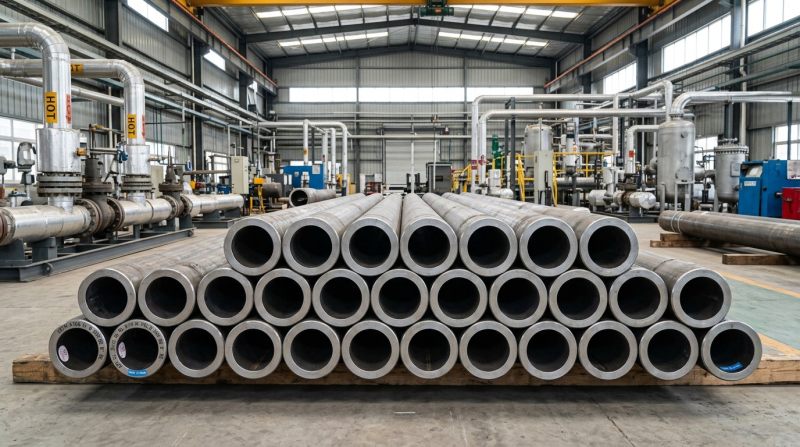
If your application involves steam, hot oil, process lines, refinery piping, power generation, or high-temperature industrial transport, ASTM A106 Gr B is usually considered because it offers a solid balance of strength, weldability, availability, and cost. However, the key question is not whether the material is popular. The key question is whether it is appropriate for your exact operating conditions.
The main evaluation points are:
- Service temperature range and whether the material retains acceptable mechanical performance at operating temperature
- Pressure condition and wall thickness requirement based on design code
- Seamless pipe requirement for critical service or code compliance
- Chemical composition and mechanical properties consistency across batches
- Heat treatment, NDT, hydro test, and dimensional tolerance
- Welding and fabrication suitability in field or workshop conditions
- Certification, traceability, and international standard compliance
- Supply reliability and commercial risk for large or urgent projects
For technical teams, ASTM A106 Gr B is often a sound choice for medium to high temperature service within code limits. For procurement and project managers, the real value comes from buying pipe that is not only compliant on paper, but also consistent in production quality, delivery, and documentation.
What is ASTM A106 Gr B pipe and where is it typically used?
ASTM A106 Grade B is a seamless carbon steel pipe specification intended for high-temperature service. It is widely used in process piping, boiler plants, petrochemical units, power stations, and industrial mechanical systems where elevated temperature and pressure are involved.
Common applications include:
- Steam lines
- Boiler and superheater systems
- Refinery and petrochemical process piping
- Power generation facilities
- High-temperature oil and gas transfer lines
- Industrial plants requiring reliable seamless carbon steel piping
Because it is seamless, A106 Gr B is often preferred where better integrity under thermal and pressure stress is needed compared with lower-grade or general structural tubing. That said, it is not automatically the best material for every hot service. Corrosion medium, cyclic loading, and design code all matter.
ASTM A106 Gr B specification: the points buyers and engineers should verify
When reviewing ASTM A106 Gr.B specification, many people only check grade and size. That is not enough. A proper review should cover the full compliance package.
Key specification points usually include:
- Manufacturing method: seamless carbon steel pipe
- Applicable service: high-temperature service
- Size range: depends on mill capability and project requirement
- Testing: hydrostatic test or permitted alternative NDT methods depending on order and standard requirement
- Mechanical properties: tensile and yield requirements must meet ASTM criteria
- Chemical limits: carbon, manganese, phosphorus, sulfur, silicon and other elements within specified range
- Marking and traceability: heat number, grade, size, standard, and manufacturer identification
- End finish and delivery condition: plain end, beveled end, threaded if applicable, coating if specified
In real procurement, engineers should also confirm whether the pipe must meet ASME-related requirements for pressure piping systems, whether impact testing is needed, and whether supplementary requirements apply. For critical projects, asking for mill test certificates alone may not be enough; third-party inspection may be justified.
ASTM A106 Gr B chemical composition: why it matters beyond the datasheet
ASTM A106 Gr B chemical composition directly affects strength, weldability, heat resistance, and consistency in fabrication. While exact permissible ranges should always be checked against the latest standard and purchase order, the practical takeaway is simple: composition control helps ensure the pipe behaves predictably during welding, bending, forming, and long-term service.
What technical teams should pay attention to:
- Carbon content: influences strength and weldability balance
- Manganese: contributes to toughness and strength
- Phosphorus and sulfur: generally kept low because excessive levels can hurt ductility and weld performance
- Silicon: can support deoxidation and mechanical stability
Why does this matter commercially? Because pipes that nominally meet grade but show poor chemistry consistency can create hidden costs later: weld repairs, fabrication delays, inspection failures, or premature service issues. For this reason, quality-focused buyers usually review heat-by-heat chemical reports rather than relying only on a generic catalog statement.
ASTM A106 Gr.B equivalent: what can and cannot be treated as interchangeable
One of the most common search topics is ASTM A106 Gr.B equivalent. This is understandable, especially in global sourcing where buyers compare ASTM, EN, JIS, DIN, or GB standards. But “equivalent” does not always mean “fully interchangeable.”
There may be materials in other standards with broadly similar application ranges or strength levels, but equivalency should be checked against:
- Chemical composition limits
- Mechanical properties
- Seamless vs welded manufacturing route
- Heat treatment condition
- Dimensional standard
- Pressure and temperature design code acceptance
- Testing and certification requirements
For example, some buyers compare A106 Gr B with ASTM A53 Grade B or certain international boiler and pressure pipe grades. In some lower-risk situations, alternatives may be acceptable, but in high-temperature process service, substitution should never be based on strength level alone. The safer approach is to have engineering, QA, and procurement jointly approve any material replacement.
If your project involves multinational sourcing, this is where an experienced export manufacturer becomes useful. A supplier familiar with ASTM, EN, JIS, and GB systems can help reduce the risk of mismatched documentation or non-acceptable substitutions.
How to judge whether ASTM A106 Gr B is suitable for your project
For project owners, EPC teams, and plant engineers, material selection should follow operating reality rather than habit. ASTM A106 Gr B is a good candidate when the following conditions apply:
- You need seamless carbon steel pipe for elevated temperature service
- The fluid medium does not require a more corrosion-resistant alloy
- The design code and temperature range allow carbon steel use
- The project needs a balance between performance and cost
- Fabrication involves standard welding and fitting procedures
You may need to consider another material if:
- Corrosion risk is high
- Service temperature exceeds practical carbon steel limits under code
- Thermal cycling or creep-related concerns are significant
- The process environment requires alloy steel or stainless steel
In short, A106 Gr B is not just a “high temperature pipe,” but a practical engineering option within a defined operating window.
What quality control should you require from a supplier?
For procurement teams and QC personnel, supplier quality assurance is often more important than small price differences. A qualified supplier should be able to demonstrate:
- Raw material control
- Stable production process
- Chemical composition verification
- Mechanical property testing
- Hydro testing or required NDT
- Dimensional inspection
- Surface quality inspection
- Heat number traceability
- Complete MTC and export documentation
For large industrial projects, additional controls may include third-party witness inspection, PMI where relevant, and pre-shipment verification. These steps help protect not only engineering integrity but also schedule, insurance compliance, and commercial accountability.
Although Hongteng Fengda is primarily known as a structural steel manufacturer and exporter, the same sourcing principles apply across industrial steel purchasing: stable production, standard compliance, documented quality control, and dependable delivery are what reduce total project risk.
How buyers can reduce cost without increasing failure risk
The lowest quote is not always the lowest project cost. In high temperature piping, the real cost drivers include rework, welding problems, late delivery, failed inspection, mismatch with code, and replacement downtime.
Smart cost control usually comes from:
- Specifying only what the project truly needs, without overbuying unnecessary extras
- Aligning pipe grade, schedule, and test requirements with actual service conditions
- Choosing suppliers with proven export and documentation capability
- Planning lot sizes and delivery schedules carefully
- Verifying equivalency before purchase, not after arrival
For some projects, buyers also source different steel products from the same export partner to simplify logistics and quality management. For example, construction and industrial clients handling plant expansion may also purchase enclosure or roofing materials such as Color Coated Galvanized Roof Sheet PPGI for auxiliary buildings, warehouses, and public facility structures. This type of product is valued for corrosion resistance, easy installation, strong adhesion, decorative finish options, and service life that can exceed 25 years in appropriate conditions.
Questions to ask before placing an order
Before final approval, decision-makers should ask:
- What is the exact operating temperature and pressure?
- Is seamless pipe mandatory by design code or client specification?
- Is ASTM A106 Gr B the approved material, or are alternatives allowed?
- What tests and documents are required?
- Are there project-specific supplementary requirements?
- Can the supplier provide full traceability and on-time export support?
- What are the risks if chemistry, dimensions, or certification vary?
These questions help technical and commercial teams move from “material comparison” to “decision confidence.”
Final takeaway
When evaluating ASTM A106 Gr B pipe for high temperature service, the most important factors are not just the grade name or market familiarity. What truly matters is whether the pipe fits the operating temperature, pressure, fabrication method, inspection requirement, and project code environment.
A good decision should be based on four essentials: correct ASTM A106 Gr.B specification review, reliable ASTM A106 Gr B chemical composition control, careful verification of ASTM A106 Gr.B equivalent claims, and strong supplier quality assurance. If these are handled well, ASTM A106 Gr B can be a dependable and cost-effective solution for many industrial high-temperature applications.
For engineers, buyers, and project managers, the safest path is simple: verify service suitability first, validate quality second, and negotiate price only after compliance and traceability are secure.
Please give us a message


Please enter what you want to find