Understanding ASTM A106 Gr B mechanical properties is essential when selecting seamless carbon steel pipe for high-temperature and high-pressure applications. For buyers, engineers, and project teams comparing carbon steel price, ss pipe specifications, and steel pipe supplier capabilities, this guide explains how strength, heat resistance, and pressure performance affect safety, cost control, and long-term project reliability.
Why ASTM A106 Gr B mechanical properties matter in heat and pressure service
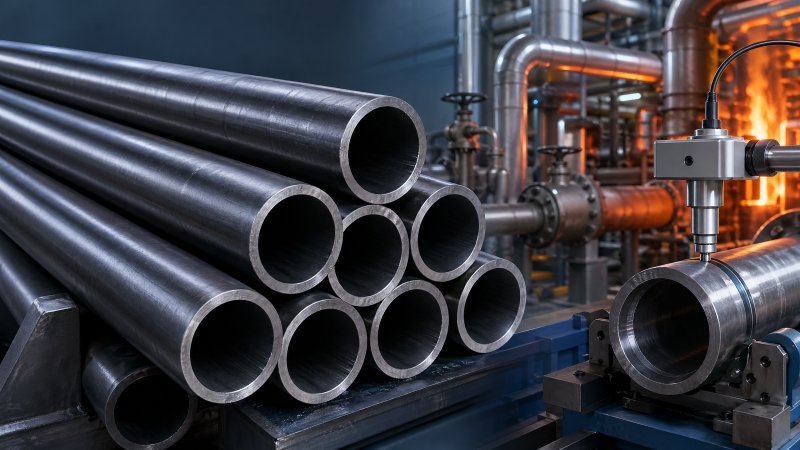
ASTM A106 Gr B is widely used for seamless carbon steel pipe in refineries, power plants, boilers, process lines, and other systems where elevated temperature and internal pressure work together. In these environments, mechanical properties are not just specification numbers. They directly influence wall thickness selection, welding performance, inspection frequency, and service life.
For technical evaluators and project managers, the key concern is whether the pipe can maintain stable strength when temperatures rise from normal ambient conditions to typical operating ranges such as 200°C–400°C. For procurement teams, the issue is often different: how to balance ASTM A106 Gr B performance with carbon steel price, delivery time, and availability from a qualified steel pipe supplier.
For quality control and safety teams, ASTM A106 Gr B must be judged through 3 core dimensions: tensile capability, yield behavior, and elongation. These determine how the material responds under loading, thermal stress, and installation handling. A pipe that meets the paper standard but lacks process consistency can still create risk during long-cycle operation.
In B2B purchasing, decision-makers also need to see the wider supply chain picture. Reliable exporters with controlled production, traceable inspection records, and standard compliance support can reduce sourcing risk over 2–4 procurement stages, from technical review to financial approval and final shipment release.
What buyers usually evaluate first
- Whether the mechanical properties satisfy design conditions for high-temperature and high-pressure piping systems.
- Whether the material can be supplied in the required size range, quantity level, and project schedule, often within 2–6 weeks for standard orders.
- Whether certificates, heat numbers, and inspection records align with ASTM and project documentation needs.
- Whether the supplier can support related structural steel demand when the project includes pipe supports, frames, channels, or beam systems.
Key mechanical properties of ASTM A106 Gr B and how to read them correctly
ASTM A106 Gr B mechanical properties are commonly reviewed through minimum tensile strength, minimum yield strength, and elongation requirements. These values form the baseline for engineering assessment, but they should never be read in isolation. Service temperature, pressure class, wall thickness, fabrication route, and inspection method all affect real project suitability.
In many procurement discussions, teams compare ASTM A106 Gr B with ASTM A53, API pipe grades, or stainless alternatives. The mistake is to compare only price per ton. A better method is to compare 4 factors together: mechanical properties, temperature suitability, fabrication convenience, and total ownership cost over the expected operating period.
The table below summarizes the commonly referenced baseline mechanical property values and practical implications for industrial users. These values help engineers and buyers translate standard language into application judgment.
These baseline values should be checked against the actual mill test certificate and project specification. In high-pressure lines, even when the material grade is correct, wall thickness, dimensional tolerance, and heat treatment consistency can influence final performance. This is why experienced buyers review at least 5 checkpoints, not just one material grade line on a quotation.
How heat and pressure change the evaluation logic
At higher temperatures, carbon steel does not behave exactly as it does at room temperature. Strength retention becomes a practical concern, especially in continuous service lines. When temperature rises over long operating cycles, engineers often recheck allowable stress values, corrosion allowance, and joint design before confirming purchase quantities.
Pressure service adds another layer. Internal pressure, cyclic loading, and thermal expansion can create stress concentrations at bends, welded joints, and support points. Therefore, a material that looks acceptable in basic comparison may require a different wall schedule or stricter inspection plan when used in more demanding systems.
Practical reading checklist for engineers and purchasers
- Confirm the standard and grade: ASTM A106 Gr B should match the piping class and design code requirement.
- Check 3 basic properties: tensile strength, yield strength, and elongation from the test certificate.
- Review dimensional factors: outside diameter, wall thickness, schedule, and length tolerance.
- Verify inspection scope: visual checks, dimensional checks, and any project-required NDT or hydro test arrangements.
How ASTM A106 Gr B compares with common alternatives in real procurement
Many users do not buy ASTM A106 Gr B in isolation. They compare it with ASTM A53 for general service, stainless steel pipe for corrosion resistance, or other carbon steel pipe options where operating conditions are less severe. A useful comparison should connect technical needs with budget approval, not just list materials side by side.
When buyers compare carbon steel price with stainless options, the lower initial cost of ASTM A106 Gr B is often attractive. However, if the medium is strongly corrosive, replacement cycles, insulation conditions, and maintenance costs can shift the decision. In other words, a lower unit price may not always mean lower lifecycle cost across 1–3 years or longer.
The table below helps procurement teams and commercial evaluators compare common decision paths more clearly.
This comparison shows why technical and commercial teams should work together early. A 3-step review process is often effective: first confirm operating temperature and pressure, then compare material suitability, and finally align the decision with budget and delivery timing. This reduces expensive redesign after order placement.
Integrated supply matters beyond the pipe itself
In many industrial and construction projects, piping systems also require structural supports, frames, skids, and equipment bases. That is why buyers often prefer a supplier network that can support both pipe-related sourcing and structural steel supply. It simplifies communication, reduces coordination time, and can shorten procurement cycles by 7–15 days in practical project management.
For support structures and installation frames, projects may also use channel sections. In such cases, Structural Steel Channel can be integrated into building structure, mechanical equipment, vehicle manufacturing, ship beam, and industrial furnace applications. Common grades include A36, S235JR, S355JR, Q235B, and Q345B, with length options such as 6 m, 9 m, and 12 m, plus custom requirements.
For buyers handling both piping and structural packages, this kind of insert supply capability is practical rather than decorative. Channel products in ranges such as 5-40# and 6.5-30#, with galvanized or painted surface options and standards including ASTM, JIS, GB, and EN, can help unify sourcing for supports exposed to outdoor, humid, or moderately corrosive environments.
Hongteng Fengda supports this integrated approach through structural steel manufacturing and export services from China. For global buyers across North America, Europe, the Middle East, and Southeast Asia, coordinated sourcing can improve schedule visibility, reduce vendor fragmentation, and support more consistent quality control across multiple steel items.
What should procurement teams check before ordering ASTM A106 Gr B pipe
A successful order is not based on price alone. Purchasers, financial approvers, and project leaders should verify technical match, inspection scope, documentation, and delivery reliability before issuing a purchase order. In many projects, 4 review blocks are enough to reduce most avoidable mistakes.
The first block is specification clarity. The buyer should define size, wall thickness, length, quantity, end condition, testing requirements, and destination packing needs. The second is compliance review. The third is production and delivery assessment. The fourth is commercial control, including freight terms, sample support if needed, and claim handling procedures.
The table below can serve as a practical procurement checklist for ASTM A106 Gr B sourcing.
This checklist is especially useful when the same project involves multiple stakeholders. Engineers focus on fit-for-service, procurement looks at price and delivery, quality teams review traceability, and finance checks payment exposure. A shared checklist keeps the order aligned across all 4 functions.
Common mistakes that increase total project cost
- Using only carbon steel price as the decision basis without reviewing temperature and pressure service demands.
- Ignoring document requirements until shipment stage, which can delay release by several days or even 1–2 weeks.
- Failing to coordinate pipe purchase with support steel, causing separate lead times and installation mismatch.
- Assuming all suppliers interpret ASTM requirements and tolerance control at the same level.
A practical 4-step sourcing flow
Step 1 is technical confirmation, including standard, size, and service condition review. Step 2 is quotation alignment, where document scope, packing, and trade terms are clarified. Step 3 is production and inspection follow-up. Step 4 is shipment and final document handover. This sequence is simple, but it works well in both standard and custom procurement.
Hongteng Fengda supports global steel buyers with stable production coordination, quality-oriented export handling, and customized solutions across structural steel categories. For projects combining industrial steel products, this can help control communication cost and reduce cross-vendor delays.
FAQ: practical questions about ASTM A106 Gr B for engineers and buyers
Is ASTM A106 Gr B suitable for all high-temperature applications?
Not automatically. ASTM A106 Gr B is widely used for elevated-temperature service, but suitability depends on the actual design temperature, pressure, corrosion conditions, and governing code. For many projects, it performs well in conventional high-temperature piping ranges, but final acceptance should always follow the engineering specification and allowable stress review.
How should buyers compare ASTM A106 Gr B with stainless steel pipe?
Use a 3-part comparison: initial material cost, corrosion exposure, and expected maintenance cycle. If the medium is not strongly corrosive and the main requirement is pressure and heat service, ASTM A106 Gr B may offer better cost efficiency. If corrosion is the main threat, stainless may justify the higher upfront cost.
What documents are usually important during procurement?
Most industrial buyers ask for the mill test certificate, product marking details, quantity and size list, and export packing confirmation. Depending on project rules, additional inspection records may be required. Clarifying these 4–6 document items before production helps avoid disputes later.
What is a common delivery planning range for steel orders?
For standard steel products, planning windows often fall within 2–6 weeks depending on size, quantity, finishing needs, and export schedule. Custom processing, mixed product orders, or special document requirements may extend that range. Early communication is important when shutdown schedules or project milestones are fixed.
Why work with Hongteng Fengda for steel sourcing and project support
For buyers comparing suppliers, the real question is not only who can quote, but who can support the full purchasing decision. Hongteng Fengda is a professional structural steel manufacturer and exporter from China, serving global construction, industrial, and manufacturing projects with standard specifications and OEM-oriented solutions.
Our advantage is practical coordination. We supply angle steel, channel steel, steel beams, cold formed steel profiles, and customized structural steel components with quality control aligned to major international standards such as ASTM, EN, JIS, and GB. This is helpful when your project needs more than one steel category under one purchasing framework.
For importers, distributors, project contractors, and industrial end users, we can support parameter confirmation, product selection, lead time discussion, customization scope, certification-related communication, sample planning where applicable, and quotation alignment. This shortens decision cycles and helps reduce sourcing uncertainty across technical and commercial teams.
If you are evaluating ASTM A106 Gr B related steel procurement, or if your project also requires structural sections for supports and fabrication, contact Hongteng Fengda to discuss 3 practical areas first: required specifications, expected delivery schedule, and documentation or compliance needs. That conversation can quickly show the most suitable supply route for your project budget and timeline.
Please give us a message


Please enter what you want to find