Why A36 steel plate delays are becoming more visible
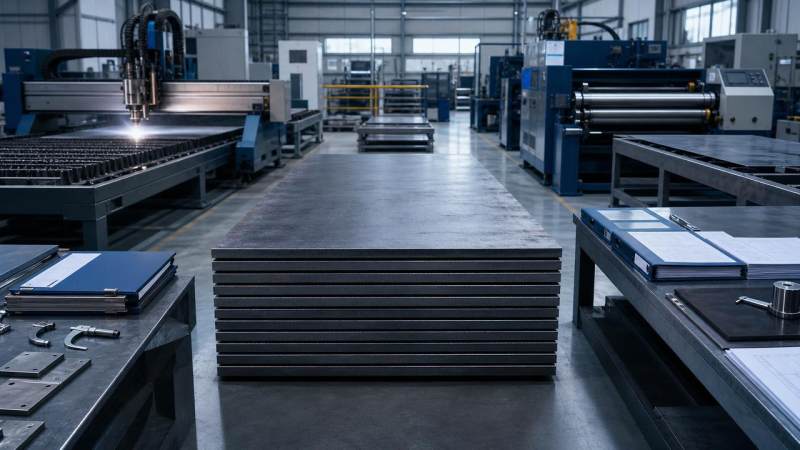
Fabrication delays often start long before cutting or welding begins.
When specifying, sourcing, or processing A36 steel plate, small oversights create rework, schedule pressure, and avoidable quality risks.
In recent years, tighter project timelines and stricter compliance checks have made these mistakes more costly.
A36 steel plate remains widely used in structural frames, equipment bases, supports, brackets, and general fabrication.
Yet common assumptions about availability, tolerances, certification, and weldability still cause production interruptions.
The key shift is clear.
Today, successful projects treat A36 steel plate as a controlled engineering input, not a routine commodity.
Current signals show a higher risk of avoidable fabrication setbacks
Several industry signals explain why mistakes around A36 steel plate now have greater downstream impact.
- More mixed-standard supply chains increase document review time.
- Plate availability varies by thickness, width, and origin.
- Fabrication shops face tighter slot planning and less buffer time.
- Traceability and MTC verification receive closer attention.
- Welding procedures must align better with actual base material conditions.
These changes do not reduce the value of A36 steel plate.
They simply raise the cost of poor coordination between design, purchasing, storage, and fabrication teams.
The biggest A36 steel plate mistakes usually begin before production
1. Assuming every A36 steel plate is identical
One major error is treating all A36 steel plate orders as interchangeable.
Actual project outcomes depend on thickness range, flatness, surface condition, and test documentation.
If these details are not confirmed early, fabrication drawings may no longer match incoming material realities.
2. Overlooking thickness tolerance and plate flatness
Thickness variation affects fit-up, hole alignment, edge prep, and welding consistency.
Flatness issues create extra leveling, shimming, and cutting correction work.
These delays often appear only when parts reach the assembly table.
3. Using incomplete material specifications
A purchase order that lists only A36 steel plate without dimensions, edge condition, or inspection needs invites confusion.
Missing information can trigger substitutions, clarification requests, or receiving disputes.
4. Ignoring lead time differences by plate size
Not all A36 steel plate sizes move at the same speed.
Standard dimensions may be available quickly, while uncommon widths or heavy plates require rolling or transfer time.
Late discovery here disrupts nesting plans and workshop loading.
Why these mistakes are happening more often across steel projects
This pattern is not limited to carbon steel.
Projects also compare materials by formability, finish, and application suitability.
For reference, 430 Stainless Steel Coil is often selected for tabletops, kitchenware, automotive parts, and decorative uses.
Its ASTM, JIS, EN, and ISO aligned supply options show how specification detail directly supports smoother processing.
That same discipline is essential when ordering A36 steel plate for structural fabrication.
The downstream impact reaches cutting, welding, inspection, and shipment
When A36 steel plate arrives with unclear status, each production step slows down.
- Cutting teams may pause nesting due to size inconsistency.
- Welding teams may adjust parameters because of edge quality or prep differences.
- QC teams may hold parts until certificates are matched.
- Packing teams may miss dispatch windows after rework extends production time.
These are not isolated workshop issues.
They affect crane booking, site installation sequencing, and overall project cash flow.
The real delay cost of A36 steel plate mistakes often appears outside the material budget.
The most important checks now happen at the handoff points
To reduce fabrication delay, focus on control points between departments and suppliers.
Specification handoff
- Confirm grade, thickness, width, length, and quantity.
- State standard, MTC requirement, and any testing expectations.
- Define tolerances relevant to fit-up and machining.
Receiving handoff
- Match heat numbers to certificates immediately.
- Inspect edge damage, lamination signs, rust level, and flatness.
- Separate accepted and pending material clearly.
Fabrication release handoff
- Verify that actual plate dimensions match the nesting plan.
- Check whether weld procedures fit the material condition.
- Confirm hold points before cutting critical parts.
A practical response plan for A36 steel plate risk control
This approach helps keep A36 steel plate moving through production without hidden bottlenecks.
It also supports better cost control when projects involve multiple steel products and standards.
What deserves closer attention in the next project cycle
The next improvement opportunity is not only buying faster.
It is creating stronger visibility around the true processing requirements of A36 steel plate.
Teams that document tolerances, traceability, condition checks, and realistic size availability will face fewer surprises.
That matters even more when supply chains span China, North America, Europe, the Middle East, and Southeast Asia.
Reliable structural steel sourcing depends on stable production, clear standards, and consistent communication from inquiry to delivery.
If a current project uses A36 steel plate, review specifications, certificates, plate dimensions, and fabrication assumptions before release.
That simple step can prevent the most common delays and keep fabrication aligned with schedule, quality, and budget goals.
Please give us a message


Please enter what you want to find