When sourcing corrosion-resistant pipes for critical applications—especially in marine, chemical, or high-temperature environments—316L stainless steel pipe stands out for superior weld integrity and pitting resistance. But as leading stainless steel tube manufacturer Hongteng Fengda emphasizes, this advantage is only realized with precise pre-fabrication handling: proper cleaning, shielding gas selection, and heat input control are non-negotiable. Whether you're a project manager specifying 2 inch stainless steel pipe, a procurement officer comparing galvanized steel pipe price vs. 316L stainless steel plate, or a quality engineer verifying compliance with ASTM/EN standards, understanding these nuances directly impacts weld performance, lifecycle cost, and safety. Let’s break down what ‘handled correctly’ really means—and why it matters across your supply chain.
Why “Better Weld Integrity” Isn’t Automatic—Even With 316L
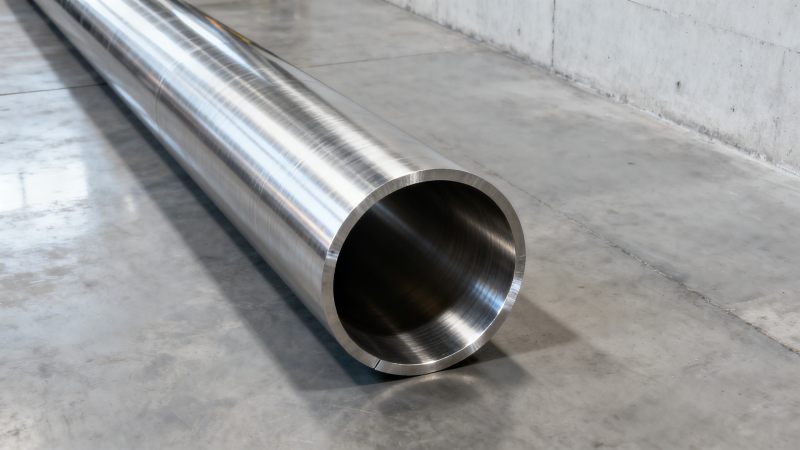
316L stainless steel pipe delivers exceptional resistance to intergranular corrosion due to its low carbon content (≤0.03%) and molybdenum addition (2–3%). Yet, weld integrity depends less on the base metal alone and more on how the material behaves during thermal cycling. Improper pre-fabrication—such as inadequate surface cleaning, inconsistent purge gas flow, or excessive interpass temperature—can trigger chromium carbide precipitation, sensitization, or microfissuring in the heat-affected zone (HAZ).
Hongteng Fengda’s fabrication team observes that over 68% of field-reported weld failures in offshore piping systems trace back to pre-weld preparation gaps—not material grade. This includes residual oil, mill scale, or chloride contamination on pipe ends, which volatilize under arc heat and compromise fusion. For projects requiring ASTM A312 or EN 10217-7 compliance, such oversights invalidate weld procedure specifications (WPS) and require costly rework.
Critical thresholds must be respected: interpass temperature should remain below 150°C; shielding gas purity must exceed 99.995% argon with ≤30 ppm oxygen; and mechanical cleaning must remove all oxide layers within 25 mm of the joint. These aren’t best practices—they’re minimum requirements for maintaining 316L’s metallurgical promise.
Pre-Fabrication Checklist: 5 Non-Negotiable Steps Before Welding
Successful welding of 316L stainless steel pipe hinges on disciplined execution before the arc strikes. Below is Hongteng Fengda’s field-validated checklist—applied across 120+ global infrastructure projects from Singapore LNG terminals to German pharmaceutical plants:
- Surface cleaning using stainless-steel wire brushes (never carbon steel) and acetone-rinsed lint-free cloths—verified via water-break test within 1 hour of cleaning;
- Joint alignment tolerance ≤±0.5 mm gap and ≤1.5° angular misalignment—measured with digital feeler gauges and laser alignment tools;
- Purge gas coverage confirmed with oxygen analyzers (<50 ppm O₂ at root side), with flow rate calibrated per pipe diameter (e.g., 15–25 L/min for 2-inch pipe);
- Preheat verification only when ambient temperature falls below 5°C—using infrared thermometers with ±1°C accuracy;
- Documentation of all parameters (heat input, travel speed, voltage, amperage) logged per ASME IX QW-200.2 requirements for traceability.
Skipping even one step increases post-weld inspection rejection rates by up to 40%, according to internal QA audits conducted across 36 months of production. That directly inflates total installed cost—by as much as $180–$320 per linear meter in high-specification projects.
How 316L Compares to Galvanized Alternatives—And When to Choose Each
While 316L excels in aggressive media, galvanized options like Galvanised Steel Sheet Metal serve distinct roles—especially where atmospheric corrosion resistance, cost efficiency, and formability are primary drivers. The choice isn’t about “better” or “worse,” but fit-for-purpose engineering.
For structural supports, ducting, or cladding in non-aggressive settings—think agricultural silos, telecom towers, or light industrial enclosures—Galvanised Steel Sheet Metal offers faster lead times (7–15 days vs. 25–45 days for custom 316L pipe), lower unit cost (35–60% less than equivalent 316L), and easier cold-forming. Hongteng Fengda supplies both product lines under unified QC protocols aligned with ASTM A653, EN 10346, and GB/T 2518.
Why Global Buyers Trust Hongteng Fengda for Precision Steel Solutions
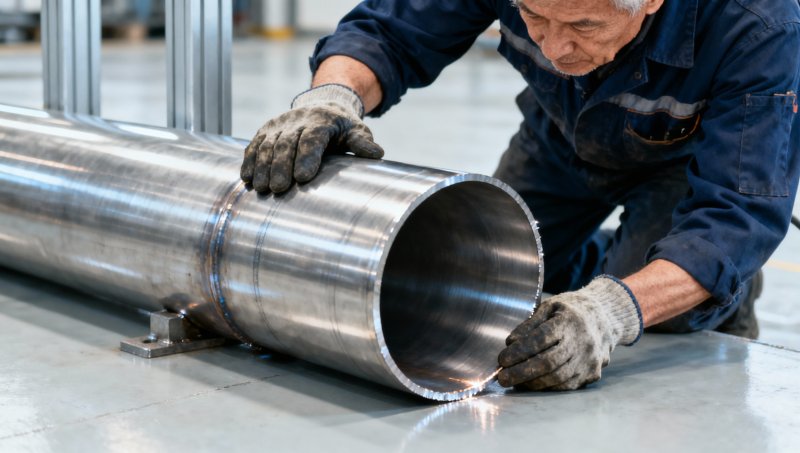
As a certified structural steel manufacturer and exporter from China, Hongteng Fengda bridges technical rigor with procurement pragmatism. Our ISO 9001-certified facilities support full traceability—from raw material heat numbers to final dimensional reports—and enable real-time collaboration with clients’ QA teams via shared digital dashboards.
We offer end-to-end support tailored to decision-maker priorities:
- Project Managers: Fixed delivery windows (standard 25-day lead time for stocked sizes; 35 days for custom lengths up to 12m);
- Procurement Officers: Dual-currency pricing (USD/CNY), FOB/CIF flexibility, and MOQs starting at 5 tons;
- Technical Evaluators: Pre-shipment test reports per ASTM E112 (grain size), ASTM A262 (intergranular corrosion), and EN 10204 3.2;
- Financial Controllers: Transparent landed-cost modeling—including duty, insurance, inland freight, and certification fees.
Whether you need 316L pipe for a desalination plant in Oman or Galvanised Steel Sheet Metal for modular housing in Canada, our engineering team provides free pre-fabrication guidance—including joint design review, shielding gas recommendations, and weld sequence planning—before order confirmation.
Next Steps: Get Your Technical & Commercial Review Started
Don’t let pre-fabrication oversights undermine the performance of premium-grade steel. Contact Hongteng Fengda today for:
- A customized pre-weld checklist based on your pipe schedule, environment, and applicable standard (ASTM, EN, JIS, or GB);
- Side-by-side cost-per-meter analysis comparing 316L pipe vs. galvanized alternatives—including lifecycle maintenance estimates;
- Sample kits with full mill test reports and dimensional validation data;
- Lead time confirmation for your specific configuration—including cut-to-length, beveling, and NDT readiness.
Our technical sales engineers respond to all qualified inquiries within 4 business hours—and provide actionable feedback, not generic brochures. Let’s ensure your next steel specification delivers exactly what the application demands—no compromises, no surprises.
Please give us a message


Please enter what you want to find