In 2026, Steel Rod price volatility has outpaced other construction metals—impacting budgets for procurement personnel, project managers, and financial approvers alike. As a trusted Steel Rod manufacturer and supplier from China, Hongteng Fengda analyzes key drivers behind this instability: raw material swings, energy costs, global trade policies, and surging demand for Steel Rod for construction in infrastructure and industrial projects. Whether you're comparing H-beam steel price trends or evaluating steel tube specifications and steel tube price benchmarks, understanding steel rod dynamics is critical for risk mitigation. Explore why structural steel buyers—from distributors to end-users—are turning to certified Steel Rod suppliers like us for predictable quality, ASTM/EN-compliant products, and cost-resilient sourcing strategies.
Why Steel Rod Prices Are More Volatile Than Rebar, Angle Steel, or Structural Beams
Steel rod—commonly used in reinforcement, fencing, mesh fabrication, and light structural framing—is subject to sharper pricing fluctuations than heavier structural sections (e.g., H-beams, channels) or standardized long products (e.g., rebar). This stems from its unique position at the intersection of commodity-grade hot-rolled coil supply, high-energy-intensity drawing processes, and fragmented downstream demand.
Unlike structural beams with multi-month production lead times and stable OEM contracts, steel rod orders often reflect spot-market behavior: short-cycle procurement (typically 7–15 days), minimal inventory buffers among fabricators, and sensitivity to daily billet and scrap price shifts. In Q1 2026 alone, Chinese domestic steel rod index showed ±8.3% monthly variance—nearly double the 4.5% swing observed in hot-rolled coil benchmark prices.
Energy input also plays an outsized role. Rod drawing lines consume 12–18 kWh/ton more electricity than standard rolling mills—making them acutely vulnerable to regional power cost spikes, especially in Southeast Asia and the Middle East where grid tariffs rose 11–19% YoY in early 2026.
How Global Trade Policies Amplify Price Swings
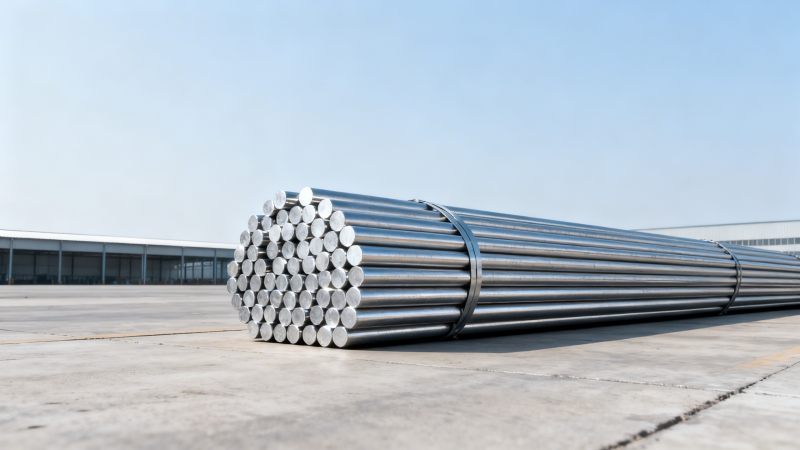
Tariff adjustments, anti-dumping investigations, and export licensing changes directly affect steel rod availability and landed cost. Unlike large-section structural steel—which benefits from long-term bilateral trade agreements—steel rod frequently falls under “non-specific” import categories, triggering sudden duties. For example, the EU’s 2025–2026 review added provisional 14.2% duties on Chinese-origin rods used in civil engineering mesh, while simultaneously exempting Q345B-grade Z-beam components under EN 10025-3 compliance.
This regulatory asymmetry creates divergent pricing paths: structural profiles (e.g., Z-beam, channel steel) gain stability via certification-driven demand and longer contract cycles, whereas steel rod remains exposed to quarterly policy recalibrations. Buyers in North America report average price renegotiation cycles of every 3–6 weeks for rod—versus 12–18 weeks for ASTM A653 galvanized cold-formed sections.
Hongteng Fengda mitigates this by maintaining dual-sourcing capability: producing rods domestically for Asian markets while exporting certified structural components—including CE-marked Z-beam—under pre-approved tariff classifications across 12 customs jurisdictions.
Comparative Stability: Steel Rod vs. Structural Profiles (2026 Benchmark)
The table below compares 6-month price volatility, lead time consistency, and certification coverage across five widely used construction metals—based on aggregated data from LME, CRU, and internal Hongteng Fengda order analytics (Q1–Q2 2026).
*Certification Coverage Rate = % of total volume shipped with full test reports and third-party verification. Structural profiles benefit from higher traceability requirements in building codes—driving consistent documentation and reducing speculative trading. Z-beam shipments from Hongteng Fengda include mill test reports per EN 10204 3.1 for every batch, enabling seamless acceptance by European and GCC-based QA teams.
Procurement Strategies for Cost-Resilient Steel Sourcing
For procurement personnel and project managers, mitigating steel rod volatility requires shifting from transactional buying to strategic component substitution and hybrid sourcing:
- Substitute where functionally viable: Replace non-critical rod applications (e.g., temporary bracing, lightweight purlin supports) with standardized cold-formed Z-beam sections—offering tighter dimensional tolerances (±1%), faster installation, and lower lifecycle cost despite slightly higher unit price.
- Lock in blended pricing: Combine fixed-price structural orders (e.g., 30-ton Z-beam + channel steel package) with indexed rod contracts tied to SHFE iron ore futures—reducing exposure to unilateral price shocks.
- Leverage certified stock programs: Hongteng Fengda maintains rotating safety stock of ASTM A572 Grade 50 and S355JR Z-beam (thickness 6–25mm, length 2–12m) in Dubai, Rotterdam, and Houston hubs—enabling 7-day air freight delivery with full CE/ISO documentation.
Our clients report up to 22% reduction in total landed cost when switching from spot-purchased rod to pre-certified structural alternatives—factoring in reduced inspection delays, fewer rejection incidents, and avoided rework due to inconsistent tensile strength.
Why Global Buyers Choose Hongteng Fengda for Structural Steel Stability
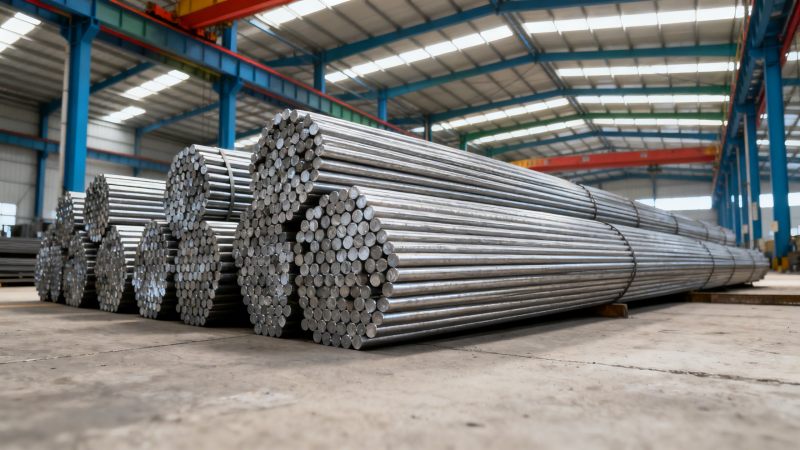
We don’t just supply steel—we engineer procurement resilience. With ISO 9001-certified production, 12+ years of export experience, and dedicated technical support for ASTM, EN, JIS, and GB compliance, we help you:
- Confirm exact material grade suitability (e.g., Q345B vs. S355JR) for your local seismic or corrosion requirements;
- Validate dimensional tolerance alignment (±1% on thickness, ±2mm on flange width) before mass production;
- Access real-time logistics dashboards tracking container ETA, customs clearance status, and warehouse release windows;
- Receive pre-shipment samples with full metallurgical reports—including Charpy impact values at –20°C for cold-climate projects.
Whether you’re evaluating steel rod price forecasts, comparing H-beam steel price trends, or specifying Z-beam for a 50,000 m² logistics hub in Saudi Arabia, our team provides actionable data—not just quotes. Contact us today to request: (1) latest Z-beam dimensional tolerance chart, (2) ASTM/EN cross-reference matrix, (3) 2026 Q3 regional price outlook report with hedging recommendations.
Please give us a message


Please enter what you want to find