For distributors and agents, choosing a consistent cold rolled steel coil supplier is not just about price—it directly affects inventory planning, customer trust, and long-term profitability.
In a competitive steel market, stable quality, accurate specifications, reliable lead times, and responsive support can determine whether your business wins repeat orders or faces costly complaints.
This article explains why supplier consistency matters and how the right manufacturing partner can help reduce sourcing risks and strengthen your supply chain.
Supplier Consistency Is a Business Risk Control Tool
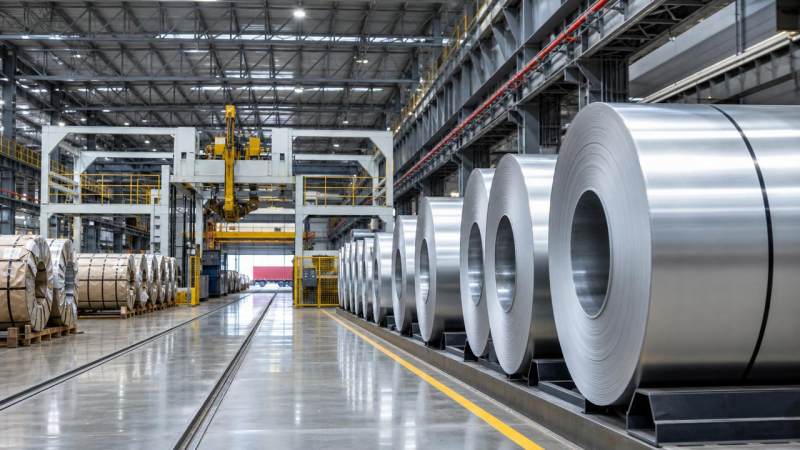
For steel distributors, inconsistency rarely appears as one dramatic problem. It usually shows up through small deviations that accumulate into complaints, delays, and lost margins.
A shipment with slightly different surface quality, coil weight, hardness, or packaging may still look acceptable on paper, but it can disrupt downstream customers.
When buyers search for a cold rolled steel coil supplier, they are often not only comparing prices. They are trying to reduce uncertainty.
Distributors need predictable supply because their customers expect repeatable performance. If each order behaves differently, the distributor becomes the one absorbing the pressure.
Consistency therefore becomes a commercial advantage. It protects your reputation, supports faster sales cycles, and reduces the hidden cost of handling quality disputes.
What Distributors Really Need from a Cold Rolled Steel Coil Supplier
Distributors and agents usually operate between mills and end users. That position makes them especially sensitive to quality variation and delivery instability.
Their main concern is not whether one shipment can pass inspection. They need confidence that every shipment will meet the same expectations.
Stable thickness tolerance, width accuracy, coil shape, surface finish, mechanical properties, and edge condition all influence resale confidence and customer satisfaction.
If your customers include appliance manufacturers, metal fabricators, construction suppliers, or general processors, even minor inconsistency can affect forming, cutting, coating, or assembly.
A reliable supplier should also understand documentation. Mill test certificates, packing lists, loading photos, and standard compliance records help distributors sell with confidence.
For agents, consistency also supports market development. When customers trust repeated performance, they are more willing to place larger and longer-term orders.
How Inconsistent Quality Damages Profit Margins
Low unit price may look attractive at the purchasing stage, but inconsistent supply often creates costs that are harder to calculate immediately.
These costs may include customer claims, sorting labor, replacement shipments, discount negotiations, delayed payments, and damage to future purchasing relationships.
For example, cold rolled coils with unstable thickness may cause processing problems for service centers that cut sheets or slit narrow strips.
Surface defects such as scratches, stains, rust spots, or inconsistent oiling can reduce the resale value, even when the base material remains usable.
If mechanical properties fluctuate, downstream users may experience forming cracks, springback changes, or unexpected rejection during their own production process.
Each complaint requires time. Your sales team must explain, your warehouse must inspect, and your supplier must respond quickly enough to protect the account.
That is why experienced distributors evaluate total sourcing cost, not only purchase price. Stable supply often creates higher real profit than the cheapest offer.
Delivery Reliability Affects Inventory Planning and Cash Flow
For distributors, lead time is not a simple logistics detail. It affects warehouse planning, capital turnover, customer commitment, and seasonal sales opportunities.
If a supplier frequently delays shipments, your inventory buffer must increase. That ties up cash and reduces flexibility in a changing market.
If shipments arrive earlier than expected without coordination, storage space may become a problem, especially when multiple steel categories are moving together.
A consistent cold rolled steel coil supplier provides realistic production schedules, timely updates, and clear communication when changes occur.
This allows distributors to arrange vessel bookings, customs documents, inland transportation, and customer delivery schedules with fewer emergency adjustments.
Reliable lead times are particularly important when customers operate project-based purchasing. Missing a supply window may push them toward another distributor.
In steel trading, speed matters, but predictability matters more. Buyers forgive a clear schedule more easily than repeated uncertainty.
Specification Accuracy Builds Customer Trust
Cold rolled steel coil buyers usually specify thickness, width, grade, surface condition, coil inner diameter, coil weight, tolerance, and applicable standards.
When a supplier follows these requirements accurately, distributors can quote confidently and avoid repeated technical clarification with end users.
Specification control is especially important for markets that follow ASTM, EN, JIS, or GB standards, depending on destination and application.
A professional supplier should confirm requirements before production, not after problems appear. Clear pre-production communication prevents many avoidable disputes.
For distributors handling mixed steel products, supplier discipline across categories also matters. A manufacturer with strong standard control can support broader procurement needs.
For instance, Hongteng Fengda also supplies structural steel products and customized components, including profiles used in construction, industrial, and infrastructure projects.
Its product range includes items such as Rail, available in carbon steel and medium manganese steel for railway and railing applications.
This broader manufacturing experience can help buyers consolidate sourcing while maintaining attention to specifications, quality records, and export documentation.
Consistent Communication Is as Important as Consistent Steel
Many sourcing problems are not caused by steel alone. They are caused by slow responses, unclear answers, or poor coordination during critical moments.
Distributors need suppliers who answer technical questions, confirm order status, provide shipment updates, and handle complaints professionally.
When communication is inconsistent, even a normal production issue can become a customer service crisis for the distributor.
A good supplier should not disappear after receiving payment. They should support inspection, loading, document preparation, and after-sales traceability.
For agents developing local markets, responsive support is even more important. They may need quick data sheets, certificates, photos, or quotation adjustments.
Fast and accurate communication helps agents appear professional in front of customers. It also shortens decision time and improves conversion rates.
How to Evaluate a Supplier Before Placing Repeat Orders
Distributors should evaluate suppliers through both documents and behavior. A good quotation is useful, but repeated performance is more reliable evidence.
Start by reviewing production capability, export experience, quality control procedures, standard compliance, and whether the supplier understands your target market.
Ask for previous shipment records, packaging photos, inspection reports, and examples of certificates issued for similar orders.
Before a large order, consider trial quantities or phased purchasing. This allows you to test quality, communication, loading, and delivery performance.
During trial cooperation, pay attention to how the supplier handles details. Small details often reveal whether future cooperation will be smooth.
Check whether tolerances are clearly written, whether payment terms are transparent, and whether all packing requirements are confirmed before production.
You should also evaluate problem-solving attitude. Even reliable factories may face occasional issues, but professional suppliers communicate early and propose practical solutions.
Warning Signs of an Unstable Steel Supplier
Some suppliers look competitive during quotation but become risky during execution. Distributors should identify warning signs before committing heavily.
One warning sign is vague technical confirmation. If a supplier avoids discussing grades, tolerances, standards, or inspection methods, risk increases.
Another warning sign is unrealistic lead time. Very short delivery promises may indicate stock uncertainty, production pressure, or lack of planning.
Frequent changes in quotation terms, unclear payment requirements, and inconsistent document formats can also signal weak internal management.
If a supplier cannot provide clear packing details, loading photos, or traceable quality records, distributors may face difficulties when customer claims arise.
Unstable communication is another serious issue. If response speed drops after payment, your ability to serve customers becomes limited.
A dependable supplier may not always offer the lowest price, but they should provide clear information, realistic commitments, and accountable service.
Why Long-Term Supplier Partnerships Outperform One-Time Buying
Steel distributors sometimes switch suppliers frequently to capture small price differences. This can work in spot trading, but it increases operational risk.
Long-term partnerships help suppliers understand your preferred specifications, destination market, packaging requirements, documentation style, and customer expectations.
Over time, this familiarity reduces repeated explanation and improves order efficiency. It also helps suppliers prioritize your urgent needs.
Stable cooperation can support better planning for both sides. The supplier can arrange production capacity, while the distributor can plan sales more confidently.
When market prices fluctuate, trusted relationships also improve negotiation quality. Both sides can discuss timing, volume, and delivery options more openly.
For agents, long-term cooperation strengthens local brand confidence. Customers prefer representatives who can guarantee stable supply rather than constantly changing sources.
In competitive markets, reliability becomes part of your sales promise. A consistent supplier helps you make that promise credible.
What Hongteng Fengda Offers to Global Steel Buyers
Hongteng Fengda is a professional structural steel manufacturer and exporter from China, supporting global construction, industrial, and manufacturing projects.
The company supplies angle steel, channel steel, steel beams, cold formed profiles, and customized structural steel components for standard and OEM requirements.
With modern manufacturing facilities and strict quality control, products are supplied according to major international standards, including ASTM, EN, JIS, and GB.
For distributors and agents, this means more than product availability. It means stable production capacity, consistent quality control, and dependable lead times.
Hongteng Fengda serves customers across North America, Europe, the Middle East, and Southeast Asia, with experience in export documentation and shipment coordination.
The company focuses on helping partners reduce sourcing risks, control procurement costs, and complete projects efficiently through reliable manufacturing support.
For buyers who need repeat supply and professional communication, working with an experienced exporter can reduce uncertainty across the whole purchasing process.
Practical Checklist for Choosing the Right Supplier
Before selecting a cold rolled steel coil supplier, distributors should compare more than price. A structured checklist makes supplier evaluation more objective.
Confirm whether the supplier can provide consistent steel grades, tolerances, surface conditions, coil weights, packaging methods, and standard certificates.
Review whether they have experience exporting to your region. Destination knowledge can reduce document errors and customs delays.
Ask how they manage quality inspection during production and before shipment. Inspection should not rely only on final visual checks.
Evaluate communication speed during quotation, production, and shipment. Slow communication at the beginning usually becomes worse during problems.
Check whether they can support both regular orders and customized requirements. Flexibility is valuable when customers request special specifications.
Finally, compare total value. The best supplier is not always the cheapest, but the one who helps you sell steadily and profitably.
Conclusion: Consistency Turns Supply into Competitive Advantage
For distributors and agents, supplier consistency directly affects customer satisfaction, inventory control, cash flow, and long-term market credibility.
A reliable cold rolled steel coil supplier delivers stable quality, accurate specifications, predictable lead times, and responsive support across repeated orders.
This consistency reduces claims, protects margins, and allows distributors to focus on sales growth instead of constant problem solving.
When evaluating suppliers, look beyond the first quotation. Review their quality systems, export experience, communication discipline, and ability to support repeat business.
In the steel market, lasting profitability comes from dependable supply chains. Choosing the right manufacturing partner is a strategic decision, not a routine purchase.
Please give us a message


Please enter what you want to find