Carbon steel price volatility in Q2 2026 has caught even seasoned procurement personnel and project managers off guard—impacting budgets for steel rebar cost, galvanized steel price, and steel plate for construction alike. As an ISO-compliant H beam manufacturer and steel rebar manufacturer based in China, Hongteng Fengda closely monitors these shifts to help global buyers mitigate sourcing risks. Whether you’re evaluating l angle steel dimensions for structural integrity, comparing galvanized steel wire for fencing options, or assessing ss pipe specifications for industrial use, understanding the drivers behind carbon steel price fluctuations is critical. This analysis delivers actionable insights for technical evaluators, financial approvers, and supply chain decision-makers.
What’s Driving Unusual Carbon Steel Price Swings in Q2 2026?
Unlike typical seasonal patterns, Q2 2026 saw carbon steel prices swing by ±8–12% across major export markets—well beyond the 3–5% range observed in Q2 2025. Three interlocking factors explain this deviation: raw material cost spikes (especially iron ore up 18% MoM in April), tightening environmental compliance timelines in key Chinese production hubs, and unexpected port congestion in Tianjin and Qingdao delaying 22% of scheduled export shipments between April 10–May 20.
For structural steel users, this means delayed budget approvals, revised tender timelines, and increased pressure on just-in-time delivery planning. Buyers relying on fixed-price contracts signed in early March faced 7–15 days of renegotiation cycles—or absorbed cost overruns averaging USD 42–68/tonne for standard-grade hot-rolled sections. Real-time tracking of domestic mill order books and EN10025 Grade S355 availability became essential—not optional—for procurement teams.
Hongteng Fengda’s internal pricing dashboard tracks 14 real-time indicators—including blast furnace utilization rates, scrap import quotas, and regional electricity tariff adjustments—to anticipate price inflection points 10–14 days ahead of market consensus. This enables clients to lock in firm quotations with 30-day validity windows, reducing exposure during volatile windows like Q2 2026.
How Structural Steel Buyers Can Lock In Value Amid Volatility
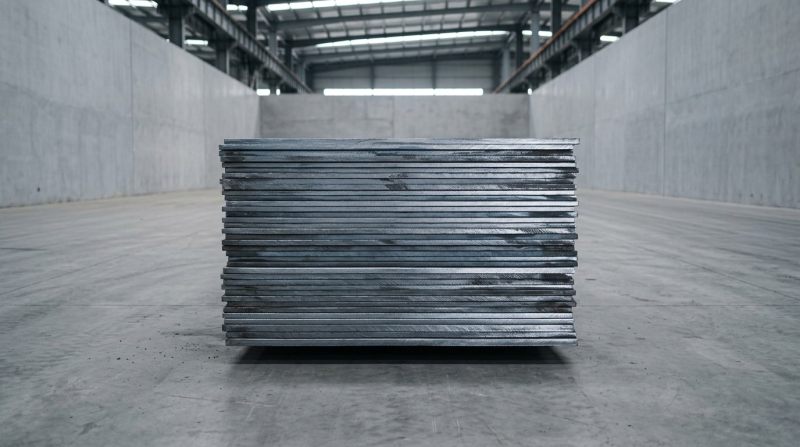
Procurement professionals need more than spot quotes—they need predictable, traceable, and standards-aligned supply chains. That starts with selecting products engineered for stability under price pressure. For example, Hot Rolled Steel Sheet Pile offers a compelling case: its U-shaped profile allows modular assembly, reducing on-site labor costs by up to 35%, while standardized interlock types (Larssen, cold rolled, hot rolled) cut installation time by 2–4 weeks per 100m retaining wall segment.
The following table compares three common structural solutions used in civil infrastructure projects where carbon steel price sensitivity is high:
The data shows that longer-lead, higher-specification items like Hot Rolled Steel Sheet Pile offer superior cost predictability—not because they’re cheaper upfront, but because their design reduces downstream execution risk, labor variability, and rework frequency. For project managers overseeing waterfront retaining walls or temporary cofferdams, this translates into tighter control over total installed cost—even when raw material prices shift.
Which Certifications Matter Most When Sourcing from China?
Global buyers increasingly demand proof—not promises—of consistency. At Hongteng Fengda, every batch of structural steel undergoes third-party verification against six core checkpoints: chemical composition (via OES spectroscopy), mechanical tensile yield strength (tested per ASTM E8), dimensional tolerance (±0.3mm on flange width), surface defect scanning (ISO 10893-11), coating adhesion (for galvanized variants), and traceability documentation (heat number + mill test report).
Certification alignment isn’t just about compliance—it’s about audit readiness. Projects in the EU require CE FPC (Factory Production Control) under EN1090-1, while North American infrastructure mandates ASTM A618 or A500 Grade C. Our dual-certified facilities hold ISO9001, ISO14001, and ISO18001—ensuring quality, environmental accountability, and occupational safety are embedded in every process step, not added as post-facto checks.
For procurement officers evaluating suppliers, ask for: (1) full heat-lot traceability down to the billet origin, (2) independent lab reports dated within 7 days of shipment, and (3) documented calibration records for all testing equipment. These three items separate rigorously audited producers from transactional vendors.
Why Partner With Hongteng Fengda for Structural Steel Sourcing?
We don’t just ship steel—we de-risk your project timeline. With 12+ years serving contractors in North America, Europe, and the Middle East, our model combines engineering responsiveness with manufacturing discipline. You get direct access to mill capacity—not distributor markups—and real-time visibility into production status via shared digital dashboards updated daily.
Specifically, we support your team with: • Custom length optimization for Hot Rolled Steel Sheet Pile to minimize field cutting waste • Pre-shipment dimensional audits (with video evidence) for critical tolerances • Dual-standard certifications (e.g., ASTM + EN) on single batches • Fixed lead-time guarantees: 6 weeks for standard orders, 8 weeks for custom profiles—backed by contractual compensation for delays
If your Q2 2026 budget is under pressure—or your next tender requires certified, traceable, and logistically resilient steel supply—contact us now for a free technical consultation. We’ll review your project specs, validate applicable standards, and provide a firm quotation with confirmed delivery window and documentation scope—all within 48 business hours.
Please give us a message


Please enter what you want to find