Construction Materials prices often shift mid-project due to supply chain pressure, freight volatility, policy changes, and raw material demand. For buyers sourcing Steel Construction Material such as U Channel Steel, Hot Rolled Beams, I-Beam, angle iron, perforated steel, or Corrosion Resistant Steel, understanding these cost drivers is essential to control budgets, reduce procurement risks, and keep construction schedules on track.
Why do steel construction material prices change after a project has already started?
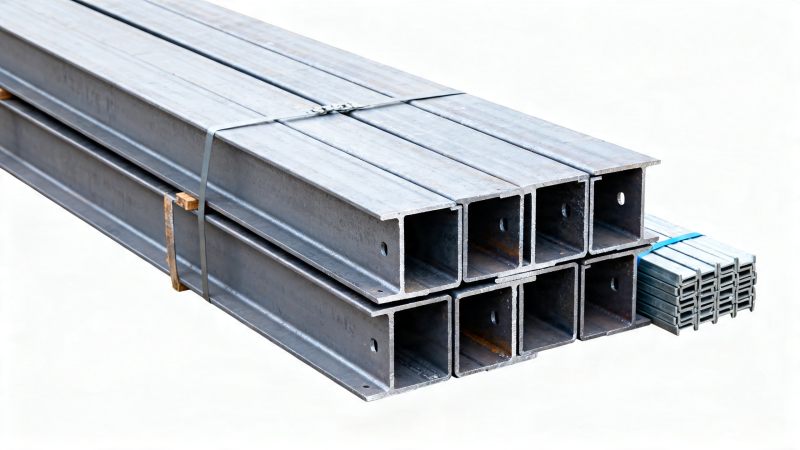
Mid-project price movement is common in the steel industry because most construction schedules last far longer than a single purchasing cycle. A structure may be designed in one month, approved in another, and procured in batches over 8–24 weeks or even longer. During that time, billet, scrap, iron ore, energy, coating inputs, transport rates, and exchange rates can all move enough to change the landed cost of structural steel.
For procurement teams, project managers, and financial approvers, the real issue is not only that prices move, but that they move for different reasons at different stages. Early-stage fluctuations may come from raw material supply and mill utilization. Later changes often result from freight congestion, specification revisions, inspection requirements, or delivery split requests. That is why a quote that looked competitive on day 1 may no longer reflect the same cost structure by day 30 or day 60.
In steel projects, a small unit-price increase can expand quickly across large tonnage. When buyers are sourcing angle steel, channel steel, steel beams, cold formed profiles, or OEM structural components, even a modest shift in base steel cost, galvanizing cost, or shipping cost can materially affect the total budget. This is especially important for projects with phased installation, multi-country shipping, or fixed-price downstream contracts.
Hongteng Fengda supports global buyers by focusing on stable production capacity, consistent quality control, and dependable lead times. For companies comparing suppliers from China, the advantage is not only manufacturing output, but also the ability to coordinate standard products and customized structural steel components under recognized standards such as ASTM, EN, JIS, and GB. That helps reduce sourcing risk when market conditions become less predictable.
The 4 most common triggers behind mid-project steel price shifts
- Raw material movement: steel prices react to changes in scrap, billet, slab, and alloying inputs. Stainless and corrosion-resistant items may also be affected by nickel or chromium market conditions.
- Freight and logistics volatility: ocean freight, inland trucking, port congestion, and container availability can shift within 1–4 weeks, especially on intercontinental routes.
- Specification changes: if beam size, thickness, surface treatment, packaging method, or testing scope changes midstream, the original price basis may no longer apply.
- Policy and compliance adjustments: duties, customs checks, destination-country documentation, and inspection rules can add cost or extend delivery by 7–15 days.
For technical evaluators and quality managers, it is also important to distinguish between true market-driven increases and quote revisions caused by changed requirements. This distinction makes cost review more accurate and improves negotiation discipline.
Which cost drivers matter most for procurement, engineering, and budget control?
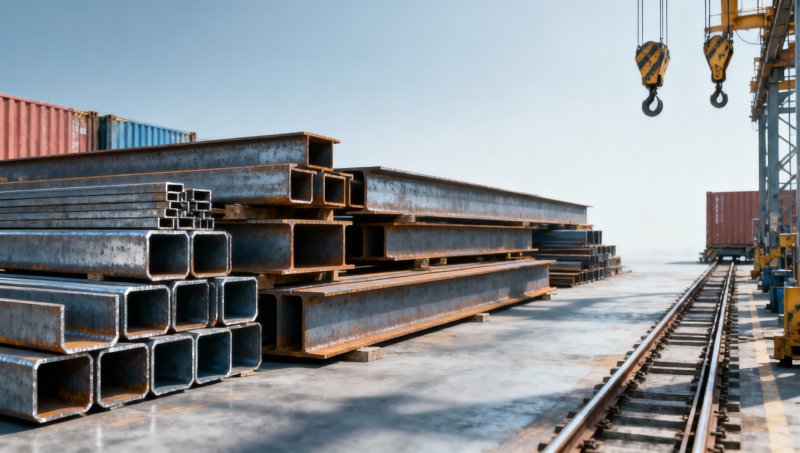
Not every price increase comes from the same place, and not every increase should be handled the same way. Some items are highly sensitive to base steel price trends, while others are more exposed to fabrication complexity or export logistics. For example, standard hot rolled beams may follow broader mill price cycles, while customized profiles or perforated steel may be more affected by tooling, labor sequencing, tolerances, and packing requirements.
Buyers should separate cost drivers into at least 3 layers: material cost, conversion cost, and delivery cost. Material cost covers the steel substrate itself. Conversion cost includes cutting, punching, welding, galvanizing, drilling, and testing. Delivery cost includes inland transport, port handling, freight, insurance, and destination clearance support. If one layer changes while the others remain stable, the procurement response should be different.
This is also where a manufacturer-exporter model becomes useful. A supplier with in-house production and export coordination can often provide clearer cost breakdowns, more realistic lead-time windows, and better visibility on whether a change is temporary or likely to continue for 2–6 weeks. That visibility helps project owners, contractors, and distributors make better timing decisions.
The table below highlights common steel project cost drivers and how they typically affect mid-project budgets, schedules, and sourcing decisions.
A cost increase is easier to manage when its source is transparent. Teams that review these 4 dimensions early usually make faster approvals, reduce change-order disputes, and maintain closer control over steel construction material budgets.
What different stakeholders should watch
For procurement and commercial teams
Focus on quote validity, batch release timing, Incoterms, and whether surface treatment, packing, and inspection are included. A price that appears lower at first may become higher once add-ons are clarified.
For engineers and technical evaluators
Check section dimensions, tolerances, grade substitutions, fabrication sequence, and compatibility with ASTM, EN, JIS, or GB requirements. Technical changes late in the cycle often cost more than early price negotiation.
For project and finance leaders
Track not only unit rate changes but also schedule exposure. A delay of 1–2 weeks in critical steel items can create downstream installation costs that exceed the original material increase.
How can buyers reduce risk when prices fluctuate mid-project?
The most effective response is not guessing the market perfectly. It is building a procurement structure that can absorb normal volatility. In steel sourcing, that usually means combining technical clarity, phased purchasing, supplier coordination, and realistic delivery planning. Buyers who wait too long for full-project certainty often face higher risk than those who secure critical items in controlled stages.
A practical procurement plan often uses 3 stages. Stage 1 secures core tonnage with stable specifications. Stage 2 confirms fabrication details and accessories. Stage 3 handles final balance quantities, packaging adjustments, and shipping consolidation. This approach is especially useful when sourcing U channel steel, I-beams, hot rolled beams, angle iron, or customized structural parts for projects with phased installation.
Buyers should also ask for an itemized quotation structure. A quote that distinguishes raw steel, processing, finish, packing, and logistics allows faster internal review and better change management. This is valuable for dealers, EPC contractors, and overseas importers who need to explain cost movement to their own clients.
In many industrial and construction projects, stainless mesh or wire-based components are also purchased alongside structural steel packages for filtration, screening, protective separation, or architectural detailing. In such cases, integrating related industrial materials into one planning cycle can improve logistics efficiency. A typical example is 304 Stainless Steel Welded Mesh, which is used in filters, sieves, chemical industry, mine industry, architecture, and residences where corrosion resistance, heat resistance, and durability matter.
A practical 5-point procurement checklist
- Confirm whether the quote validity is 7 days, 15 days, or 30 days, and ask what cost elements are fixed versus variable.
- Freeze key technical data before production: grade, section size, thickness, tolerance, coating, cut length, hole position, and inspection method.
- Separate critical-path items from non-critical items so urgent materials can be locked earlier without forcing premature purchase of everything.
- Review shipping plan at least 1–2 weeks before cargo readiness, especially when exporting from China to multiple destinations.
- Align finance approval timing with production reservation timing. Delayed approvals often create avoidable re-quoting.
For buyers comparing material options, the mesh product mentioned above generally covers stainless grades such as SS 201, 304, 304L, 316, 316L, and 430, with diameter ranges from 0.0008″ to 0.12″, mesh options from 2 to 635 mesh, roll width up to 240″, and roll length up to 2000′. These ranges matter because dimensional scope and alloy choice directly affect both price and lead time, just as they do in structural steel procurement.
What should buyers compare before choosing one steel supplier over another?
In a volatile market, the cheapest offer is not always the lowest-risk choice. A better comparison method looks at at least 5 dimensions: product scope, standards compliance, lead-time reliability, customization capability, and export execution. This is especially important for distributors, contractors, and project owners buying from overseas mills or trading channels.
A structural steel manufacturer and exporter with modern production facilities can often provide more stable scheduling for angle steel, channel steel, steel beams, cold formed steel profiles, and custom structural components. This matters when the project cannot tolerate inconsistent batch quality or repeated delivery changes. Quality control and specification consistency are often more valuable than a marginal opening-price difference.
The comparison table below can help procurement teams, technical reviewers, and decision-makers evaluate supplier suitability in a more disciplined way.
This comparison method helps teams avoid one common mistake: evaluating steel only by ex-works price. In export projects, documentation quality, packaging method, and shipment coordination can materially affect the final installed cost.
Why Hongteng Fengda is relevant in this decision
Hongteng Fengda focuses on structural steel manufacturing and export from China, supplying angle steel, channel steel, steel beams, cold formed profiles, and customized structural components for global construction, industrial, and manufacturing projects. This broad product scope helps buyers consolidate sourcing and reduce coordination gaps across multiple steel items.
The company serves customers across North America, Europe, the Middle East, and Southeast Asia, which is important for buyers who need a supplier familiar with export packaging, documentation flow, and delivery planning across different destination requirements. The emphasis on stable production capacity and consistent quality is particularly useful when the market is moving but project deadlines remain fixed.
For technical and quality teams, alignment with major international standards such as ASTM, EN, JIS, and GB supports clearer specification review. For commercial teams, reliable lead-time management helps reduce the chance that late schedule changes will turn into higher emergency procurement costs.
Common questions buyers ask about steel price changes during a project
The questions below reflect real search intent from project managers, sourcing teams, distributors, and business decision-makers dealing with fluctuating steel construction material costs.
How long is a steel quotation usually valid?
In many export-oriented steel transactions, quotation validity is often limited to 7–30 days depending on product type, volume, and market conditions. Standard sections may hold longer than customized fabricated parts, while freight-heavy routes may require shorter confirmation windows. Buyers should always ask which components are fixed and which remain adjustable.
Should we buy everything at once to avoid price increases?
Not always. Full early purchase may protect against some price increases, but it can also create storage, cash-flow, and specification-change risk. A staged strategy is often better: lock critical structural items first, then release lower-risk or final-detail items later. This works well when installation is phased over several months.
What causes bigger risk: steel price changes or delivery delays?
That depends on the project stage, but on many active sites, a delivery delay of 1–2 weeks on critical structural steel can cause more financial damage than a modest unit-price increase. Crane booking, labor standby, equipment sequencing, and subcontractor coordination all add indirect cost. That is why supplier scheduling reliability matters as much as rate comparison.
How can we improve internal approval speed?
Use a simple approval package with 4 parts: technical specification sheet, commercial comparison, lead-time summary, and risk notes. This format helps engineers, procurement staff, finance approvers, and executives review the same information quickly without repeated clarification rounds.
Why choose a supplier that can support both price control and delivery execution?
When construction materials prices shift mid-project, buyers need more than a number on a quotation. They need a supplier that can explain the cost basis, confirm feasible lead times, adapt to project-stage purchasing, and keep product quality aligned with the required standards. That combination is what helps control budget exposure without sacrificing schedule reliability.
Hongteng Fengda supports global steel buyers with structural steel manufacturing and export services tailored to construction, industrial, and manufacturing projects. Whether you are evaluating angle steel, channel steel, steel beams, cold formed profiles, or customized structural components, the discussion can be organized around 6 practical points: product specification, applicable standard, processing scope, quality control checkpoints, delivery window, and shipping terms.
If you are comparing suppliers or trying to manage a live project with changing steel prices, you can consult on parameter confirmation, product selection, drawing-based customization, standard compliance, sample support, batch delivery planning, and quotation structure. This is especially useful when your team must balance technical approval, procurement control, and finance review within a limited timeframe.
A focused discussion early in the sourcing process often saves far more than late-stage negotiation. If your project needs dependable structural steel supply from China, with clearer visibility on specifications, lead times, and export coordination, now is the right time to start a detailed inquiry.
Please give us a message


Please enter what you want to find