For industrial buyers and project leaders, choosing corrosion resistant steel pipe is not just about durability—it is a direct decision on lifecycle cost, maintenance risk, and project efficiency.
In demanding construction and manufacturing environments, the right material can reduce downtime, extend service life, and deliver faster long-term returns, making it a strategic investment rather than a higher upfront expense.
When Does Corrosion Resistant Steel Pipe Actually Save Money Faster?
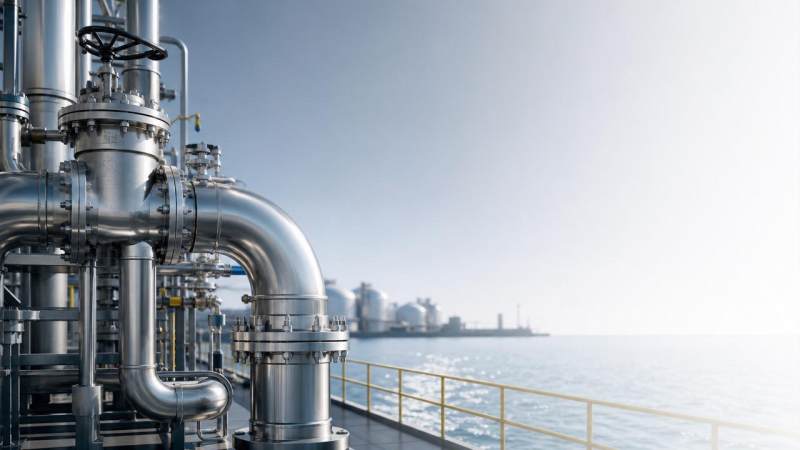
For most enterprise decision-makers, the real question is not whether corrosion resistant steel pipe performs better, but when the extra material cost is recovered through lower operating risk.
In many projects, the payback comes faster than expected when corrosion exposure is high, access for maintenance is difficult, or downtime creates direct production and contractual losses.
This is why corrosion resistant steel pipe often makes the most financial sense in aggressive environments rather than in every pipeline or structural application without distinction.
If a pipe system faces moisture, chemicals, salt, temperature fluctuation, or outdoor exposure, corrosion can turn a low initial purchase price into a much higher lifecycle cost.
Executives evaluating procurement decisions should therefore focus on total installed cost, expected service life, inspection frequency, replacement intervals, and the business impact of failure.
What Enterprise Buyers Care About Most Before Approving the Upgrade
Senior buyers and project leaders usually care less about metallurgy theory and more about practical outcomes tied to budgets, schedules, compliance, and asset reliability.
The first concern is lifecycle cost. A cheaper carbon steel pipe may look attractive during tendering, yet frequent coating repair, shutdowns, and replacement can erase that advantage.
The second concern is operational continuity. In industrial systems, a corroded pipe can interrupt output, delay handover, trigger safety incidents, or damage downstream equipment.
The third concern is predictability. Decision-makers want material options that reduce uncertainty in maintenance planning, spare parts demand, and future capital expenditure.
The fourth concern is compliance and reputation. Failures in corrosive service can create environmental exposure, quality issues, and customer dissatisfaction that far exceed pipe procurement savings.
For this reason, the best material decision is rarely the one with the lowest price per ton. It is the one with the best balance of performance, service life, and business stability.
The Fastest Payback Scenarios for Corrosion Resistant Steel Pipe
Corrosion resistant steel pipe pays off fastest where corrosion is constant, visible, and expensive to manage. These are the situations where maintenance costs grow quickly over time.
Marine and coastal projects are a classic example. Salt-laden air, humidity, and splash exposure accelerate corrosion, making standard pipe far more vulnerable than many buyers initially assume.
Chemical processing facilities also see rapid returns from better pipe materials. Even moderate chemical exposure can shorten service life and increase inspection intensity if the base material is poorly matched.
Water treatment, wastewater plants, and industrial drainage systems are another strong case. Internal corrosion is often underestimated because damage is less visible during normal operation.
Food processing and pharmaceutical plants may benefit where hygiene requirements and washdown procedures expose pipe surfaces to repeated moisture and cleaning chemicals.
Mining, energy, and heavy manufacturing projects also justify the upgrade when corrosion combines with abrasion, temperature stress, or difficult site access that makes repairs especially disruptive.
In remote projects, the economics improve even more. If replacing a failed section requires shutdown planning, labor mobilization, imported parts, and lost production, payback can be very fast.
How to Compare Upfront Price Against True Lifecycle Cost
Many procurement teams still compare pipe options mainly by unit price. That approach misses the broader economics that matter most to owners and operators over the project lifecycle.
A better comparison starts with installed cost rather than raw material cost. Include welding, coating, surface treatment, support requirements, and any special handling or fabrication differences.
Then estimate maintenance cost over the expected service life. How often will inspection be required? Will recoating, cleaning, or section replacement be needed during normal operation?
Next, calculate downtime exposure. Even a short outage can create large financial losses in manufacturing lines, process plants, logistics systems, or infrastructure assets with strict service obligations.
Risk cost should also be included. Corrosion-related failures can lead to leakage, safety events, environmental cleanup, and emergency procurement at much higher prices than planned sourcing.
Finally, consider residual asset value. Materials with longer service life and more stable performance help delay major replacement cycles and improve long-term capital efficiency.
When these factors are included, corrosion resistant steel pipe frequently shows a lower total cost of ownership even when the purchase price is higher at the beginning.
Signs That Standard Steel Pipe May Become the More Expensive Choice
Not every project requires a premium corrosion solution, but some warning signs strongly suggest that standard pipe could become the more expensive option over time.
One sign is frequent exposure to moisture, condensation, or standing water. Another is contact with acids, alkalis, chlorides, or industrial cleaning agents during operation or maintenance.
Outdoor installations with poor ventilation, coastal wind, or cyclical temperature changes also increase corrosion risk, especially where coatings are likely to be scratched or degraded.
Buried or enclosed systems deserve close attention as well. Once corrosion starts in hard-to-inspect areas, damage can progress quietly until repair becomes urgent and costly.
Projects with long design life targets should be particularly careful. A material choice that saves money in year one may create repeated interventions over ten, fifteen, or twenty years.
If your operation cannot tolerate leakage, contamination, shutdowns, or public service interruption, the cost of failure is high enough that corrosion resistance should be assessed early.
How to Make a Better Buying Decision Without Over-Specifying
The goal is not to choose the most expensive pipe by default. The goal is to match material performance with the actual corrosion profile of the application.
Start by classifying the operating environment. Review humidity, chemical content, temperature range, media composition, cleaning procedures, and whether exposure is internal, external, or both.
Then map those conditions against the required service life and maintenance strategy. A temporary project, for example, may justify a different material logic than a critical permanent installation.
Work with suppliers that understand both product standards and application realities. Good suppliers can help compare specifications, tolerances, fabrication methods, and export compliance requirements.
Decision-makers should also ask for evidence of quality consistency, not just nominal grades. Material traceability, production control, and adherence to ASTM, EN, JIS, or GB standards matter.
For global sourcing projects, dependable lead times and technical communication are part of the value equation. Delays, rework, or unclear documentation can wipe out apparent price advantages.
Experienced manufacturers often support broader project needs beyond pipe alone. For example, buyers planning plant platforms or equipment areas may also source anti-slip materials such as 235JR Patterned steel plate for safer access and integrated steel procurement.
Why Supplier Capability Influences Return on Investment
Even the right material choice can fail to deliver value if the supplier cannot maintain quality, dimensional consistency, or schedule reliability across large or repeat orders.
For enterprise buyers, supplier capability directly affects hidden cost. Poor tolerances, unstable coating quality, or inconsistent raw material can increase fabrication difficulty and site delays.
A capable structural steel manufacturer adds value through stable production capacity, responsive customization, and export experience that reduces sourcing friction for international buyers.
This matters especially when projects involve multiple steel categories, customized processing, or region-specific standards. Coordinated supply lowers procurement complexity and reduces mismatch risk.
Hongteng Fengda serves global construction, industrial, and manufacturing projects with structural steel products that comply with major international standards and support reliable delivery planning.
For buyers managing broader steel packages, combining corrosion-aware pipe decisions with other fit-for-purpose steel products can improve procurement efficiency and total project control.
In floor, machinery, shipbuilding, transportation, or equipment platform applications, products like 235JR Patterned steel plate can complement durable pipe systems through anti-slip performance, bending resistance, and practical fabrication flexibility.
Questions Decision-Makers Should Ask Before Final Approval
What is the expected service life of the system, and how expensive would one unplanned replacement event be within that period?
How aggressive is the real operating environment, not the assumed one described in early design documents or generic procurement notes?
How accessible is the pipe after installation, and what will maintenance actually cost in labor, shutdown coordination, and safety controls?
What are the consequences of leakage, contamination, or downtime for production, compliance, customer commitments, and brand credibility?
Can the supplier provide consistent quality documentation, standard compliance, and dependable delivery across the quantities and timelines the project requires?
These questions move the conversation from upfront price to strategic value, which is where the best long-term procurement decisions are usually made.
Final Takeaway: The Best Payback Comes Where Failure Costs Are High
Corrosion resistant steel pipe pays off faster wherever corrosion risk is real and the cost of failure is high. That includes harsh environments, critical operations, and hard-to-maintain systems.
For enterprise buyers, the smartest decision is not simply to buy stronger material. It is to invest where improved durability reduces maintenance burden, protects uptime, and lowers lifecycle cost.
When evaluated through total cost of ownership, corrosion resistant steel pipe is often less a premium purchase and more a disciplined risk-control strategy with measurable return.
If your project involves long service life, demanding exposure conditions, or expensive downtime, corrosion resistance should be considered early as a financial decision, not only an engineering one.
Please give us a message


Please enter what you want to find