When ASTM A106 Gr B strength starts to limit pressure, temperature, or overall performance, the issue is rarely just “can this pipe still work?” The real question is whether ASTM A106 Grade B remains the safest and most economical choice for the operating condition, fabrication method, and project risk level. For engineers, buyers, and project teams, that means looking beyond basic ASTM A106 Gr.B specification tables and evaluating mechanical properties, chemical composition, code margins, weldability, lifecycle cost, and practical alternatives before a design bottleneck becomes a failure point.
In many projects, ASTM A106 Gr B is selected because it is familiar, available, and widely accepted for seamless carbon steel pipe service. But once higher pressure, elevated temperature, wall-thickness escalation, or stricter safety margins enter the picture, its strength can become a design limitation. At that stage, the right response is not guesswork—it is a structured review of load demands, code requirements, material capability, and substitute options.
When does ASTM A106 Gr B stop being the right engineering choice?
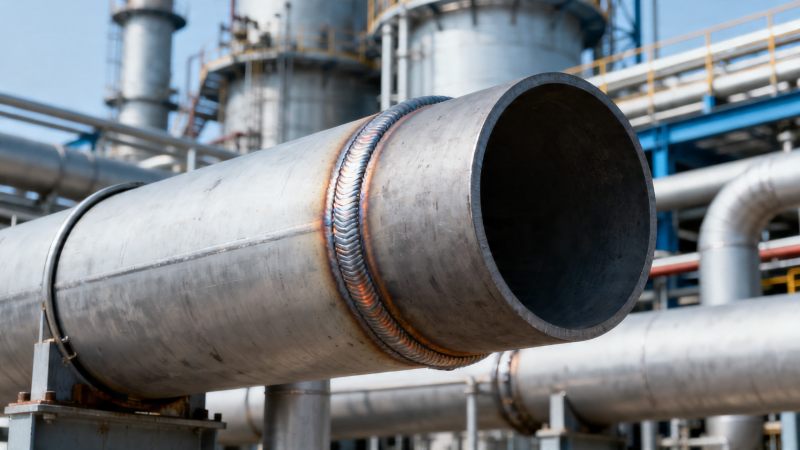
ASTM A106 Gr B is commonly used for high-temperature service in refineries, power plants, process piping systems, and general industrial applications. It is a reliable material in many standard operating environments. However, its strength becomes a limitation when one or more of the following conditions apply:
- Design pressure increases and required wall thickness becomes too high for cost-efficient fabrication.
- Operating temperature rises, reducing allowable stress under code-based design rules.
- Corrosion allowance is significant, leaving less effective wall for pressure containment over time.
- Weight and support loads increase, affecting installation, structural design, and transportation cost.
- Welded connections, thermal cycling, or fatigue service demand better performance margins.
- Compliance requirements tighten due to project specifications, owner standards, or safety audits.
For search users evaluating this topic, the core intent is usually practical: at what point does ASTM A106 Gr B become inadequate, and what should be checked before changing grade or redesigning the system? That is the decision point that matters most.
What ASTM A106 Gr B mechanical properties really mean in design work
ASTM A106 Grade B is valued because it offers a useful balance of strength, manufacturability, and market availability. Typical reference values often include:
- Minimum tensile strength: about 415 MPa (60 ksi)
- Minimum yield strength: about 240 MPa (35 ksi)
These numbers are important, but they should never be treated as the full design answer. In actual engineering use, the key issue is not only minimum tensile or yield strength at room temperature. The more important factor is the allowable stress under the applicable design code, especially at operating temperature.
For example, a material that looks adequate on a datasheet may become limiting once temperature derating, corrosion allowance, mill tolerance, and stress intensification are included. This is why teams that rely only on base ASTM A106 Gr B mechanical properties may underestimate the real constraint.
In practical terms, ASTM A106 Gr B often becomes less attractive when:
- The required wall gets so thick that procurement cost rises sharply.
- Bending, welding, or installation becomes harder because of section weight.
- Larger outside diameter with thicker wall creates schedule and logistics issues.
- The project can save total installed cost by moving to a higher-strength or more temperature-resistant material.
How ASTM A106 Gr B chemical composition affects risk, weldability, and service life
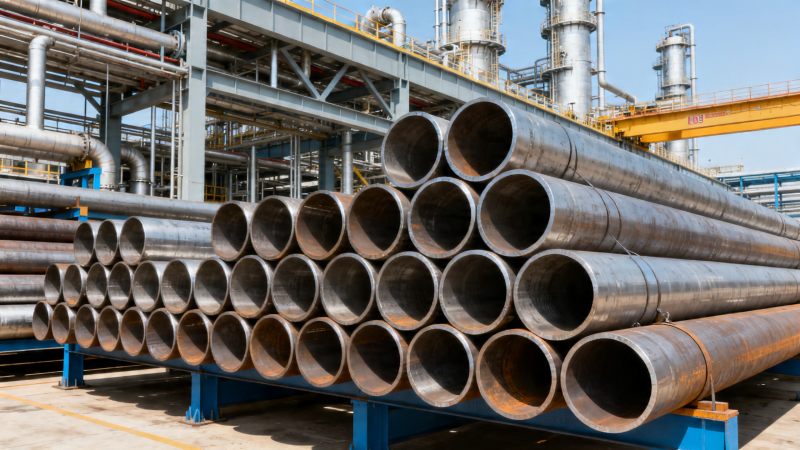
Many buyers search for ASTM A106 Gr B chemical composition because they want to verify more than standard compliance. They want to understand fabrication behavior and service reliability.
Typical ASTM A106 Grade B chemistry includes carbon, manganese, phosphorus, sulfur, silicon, and controlled residual elements. Exact values depend on the applicable standard limits and actual mill test results. From a project perspective, the chemistry matters for several reasons:
- Weldability: Higher carbon equivalent can increase welding sensitivity and preheat requirements.
- Toughness and cracking risk: Chemical balance influences heat-affected zone behavior and low-temperature concerns.
- Corrosion response: Chemistry does not make A106 Gr B a corrosion-resistant material, so service media still matters greatly.
- Heat treatment response: Fabrication and post-weld procedures may interact with chemistry in ways that affect quality control.
For quality managers and safety teams, reviewing chemical composition is not just a paperwork exercise. It helps confirm whether supplied material is suitable for the intended fabrication route and operating environment. This is especially important when sourcing globally or comparing mills across regions.
What are the clearest signs that strength is becoming the design limitation?
In most projects, the limitation shows up through calculation, fabrication difficulty, or cost escalation rather than through an obvious single warning. Common signs include:
- Wall thickness increases faster than expected
When pressure and temperature calculations force a much thicker wall, the material may still be technically compliant, but no longer economical. - Support and handling loads become excessive
Heavier pipe affects steel supports, erection planning, lifting equipment, and field installation time. - Standard sizes no longer fit project efficiency goals
Once the required dimensions move into difficult supply ranges, lead time and sourcing risk increase. - Alternative grades reduce total project cost
A more expensive material per ton can still be cheaper overall if it reduces thickness, fabrication hours, or maintenance risk. - Code margin becomes too narrow
Even if the design passes, low margin may not satisfy owner requirements or long-term reliability expectations.
This is where technical evaluation should involve not only piping engineers, but also procurement, quality, finance, and project management. A “lowest material price” decision can create a much higher installed or lifecycle cost later.
How to evaluate ASTM A106 Gr.B equivalent options without creating new problems
Searches for ASTM A106 Gr.B equivalent usually come from users who need a substitute, upgrade path, or cross-standard comparison. However, “equivalent” should be treated carefully. Few materials are truly interchangeable in every design, code, fabrication, and inspection condition.
When comparing ASTM A106 Gr B to possible alternatives, teams should review:
- Strength at operating temperature
- Applicable pressure piping or vessel code acceptance
- Weldability and fabrication compatibility
- Availability in required dimensions
- NDT, testing, and inspection requirements
- Total cost, not just material price
- Lead time and supplier consistency
Depending on service conditions, an equivalent review may lead to higher-grade carbon steel, low-alloy steel, or a revised design approach rather than a direct one-to-one substitution. The right choice depends on whether the real bottleneck is pressure, temperature, corrosion, fatigue, procurement risk, or structural integration.
In some industrial projects, the limitation is not only in the pipe itself but also in the supporting framework. When heavier sections or more demanding load paths must be accommodated, structural components also need careful selection. For industrial structure support, I Shaped Beams can be used in coordinated steel solutions where section efficiency, dimensional flexibility, and standard compliance matter. Available in carbon steel grades such as Q195-Q235, Q345, SS400, A36, and St52, with customizable dimensions and processing options including cutting, punching, bending, and welding, they can help project teams align pipe-support and structural requirements more efficiently.
What buyers and project managers should check before approving ASTM A106 Gr B
For purchasing teams and decision-makers, the key concern is not memorizing material theory. It is reducing commercial and operational risk. Before approving ASTM A106 Grade B for a demanding application, ask these questions:
- What is the actual operating temperature range, including upset conditions?
- Are pressure calculations based on minimum wall after tolerance and corrosion allowance?
- Does the selected schedule create unnecessary cost or lead time pressure?
- Is there a better value alternative with improved design margin?
- Will welding procedures, inspection scope, and field installation remain practical?
- Can the supplier provide stable quality, traceability, and standard-compliant documentation?
These checks matter because many project delays do not come from a material “failing the standard.” They come from late-stage redesign, procurement mismatch, fabrication issues, or owner rejection after technical review.
A practical decision framework for engineers, QC teams, and sourcing professionals
If you suspect ASTM A106 Gr B strength is becoming a design limitation, use this simplified sequence:
- Confirm service conditions
Review pressure, temperature, corrosion allowance, cyclic load, and required design life. - Check governing code allowables
Do not rely only on room-temperature minimum strength. - Calculate thickness and project impact
Include weight, fabrication, support, and installation implications. - Review chemistry and weldability
Especially important for field welding and strict QA/QC requirements. - Compare alternatives on total value
Assess material, manufacturing, logistics, construction, and maintenance cost together. - Qualify the supplier
Ensure documentation, consistency, and international standard compliance are reliable.
This approach helps technical teams make defensible decisions while also giving procurement and management a clearer business basis for approval.
Conclusion: ASTM A106 Gr B is reliable, but not unlimited
ASTM A106 Grade B remains a widely used and dependable material for many seamless carbon steel pipe applications. But when pressure, temperature, section weight, code margin, or lifecycle risk increase, its strength can become a real design limitation. The most important takeaway is that the decision should not be based only on familiar ASTM A106 Gr.B specification data.
Instead, teams should evaluate ASTM A106 Gr B mechanical properties in actual operating context, review ASTM A106 Gr B chemical composition for fabrication and quality implications, and compare ASTM A106 Gr.B equivalent options carefully rather than assuming interchangeability. That is how engineers, buyers, and project leaders avoid underperformance, control cost, and improve long-term project reliability.
For global projects, the best results usually come from working with suppliers that understand both material standards and real application demands—so the chosen steel solution is not only compliant on paper, but practical, economical, and dependable in service.
Please give us a message


Please enter what you want to find