ASTM A106 Grade B pipe is a common choice for high-temperature and pressure service, but it becomes the wrong choice when buyers treat it as a universal steel pipe for every structural, mechanical, or fabrication job. In practice, the biggest risks come from specification mismatch, unnecessary cost, poor formability, coating limitations, and confusion around ASTM A106 Gr.B equivalent materials. For engineers, procurement teams, QA staff, and project managers, the key is not whether A106 Gr B is “good,” but whether it matches the real service conditions, code requirements, fabrication method, and total project budget.
What users really need to know before choosing ASTM A106 Gr B
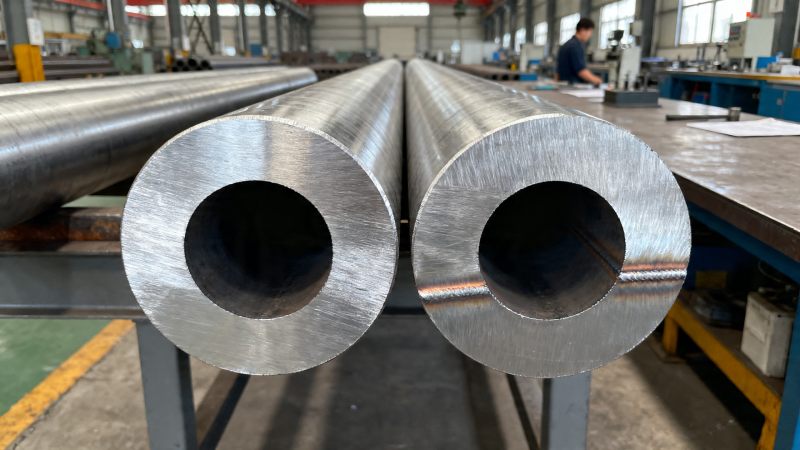
The core search intent behind this topic is practical decision-making: readers want to know when ASTM A106 Gr B pipe should not be selected, what can go wrong if it is misapplied, and what alternatives may be more suitable. This matters because ASTM A106 Gr B mechanical properties and heat-service capability often make it look like a safe default, yet many projects do not actually need a seamless carbon steel pipe for high-temperature pressure duty.
For most target readers, the real concerns are:
- Will this material meet the actual operating condition, code, and inspection requirement?
- Am I overpaying for performance the project does not need?
- Will fabrication, welding, galvanizing, bending, or sourcing become more difficult?
- Is there a better equivalent or substitute for structural, low-pressure, or general industrial use?
- What are the commercial and quality risks if the wrong specification is purchased?
The short answer is clear: ASTM A106 Gr B is the wrong choice when the application is structural rather than pressure-related, when corrosion protection is the main challenge, when a welded pipe standard is sufficient, when low-temperature toughness is critical, or when buyers need better cost efficiency and easier availability.
ASTM A106 Gr B is not a general-purpose answer for every steel pipe project
ASTM A106 covers seamless carbon steel pipe for high-temperature service. That definition is important. It was not written as an all-purpose structural steel specification, nor as the best answer for every industrial fabrication scenario.
Many sourcing mistakes happen because teams only recognize the reputation of A106 Grade B, not the purpose of the standard itself. If your project involves frames, supports, welded assemblies, guard systems, racks, equipment bases, or general fabrication, the material selection process should begin with function, loading mode, environment, and compliance requirements—not with a familiar pipe grade.
In those cases, buyers may need to compare ASTM A106 Gr.B specification with alternatives such as:
- ASTM A53 for general pressure and mechanical use
- ASTM A500 for structural tubing
- API 5L for line pipe applications
- Low-temperature grades when impact performance matters
- Corrosion-resistant or coated options when the service environment is aggressive
That distinction can prevent overengineering, excess procurement cost, and later fabrication problems.
When ASTM A106 Gr B becomes the wrong technical choice
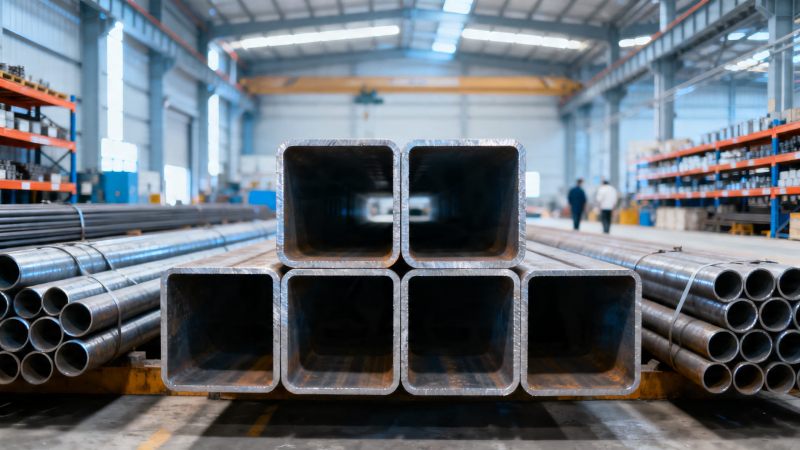
There are several common situations where ASTM A106 Gr B should be reconsidered.
1. When the application is structural, not pressure service
If the steel member is primarily carrying building, platform, rack, or equipment loads, then structural performance, dimensional control, weldability in assemblies, and section efficiency often matter more than high-temperature pressure capability. Structural engineers typically prefer materials aligned with structural codes and section classifications rather than a pressure pipe standard.
2. When the operating temperature is not high
One of the main reasons to use ASTM A106 Gr B is elevated-temperature service. If the system runs at normal ambient temperature or moderate process conditions, a lower-cost alternative may perform just as well. Using A106 Gr B in these cases can add cost without adding practical value.
3. When corrosion resistance is the real challenge
A106 Grade B is a carbon steel material. It does not solve corrosion by itself. In humid, marine, chemical, or outdoor exposure, unprotected carbon steel can deteriorate quickly. If corrosion is the governing problem, buyers should evaluate galvanizing, coatings, stainless options, or other corrosion-management strategies instead of assuming pipe grade alone is enough.
In many industrial systems, material selection must go beyond the pipe itself. For example, lifting, marine, mining, and external handling environments also require corrosion-conscious components. In those cases, products such as Galvanized Steel Wire Rope may be more relevant for auxiliary systems where zinc coating class, tensile strength, and service environment are key decision factors. With options in plain, electro galvanized, and hot dipped galvanized finishes, diameter ranges from 1.0 mm to 22 mm, and normal tensile strength from 1470 MPa to 1960 MPa, such products are better aligned with corrosion exposure and mechanical handling needs than a high-temperature seamless pipe specification.
4. When welded pipe is acceptable and more economical
Because ASTM A106 is seamless, it is often more expensive and sometimes less available than welded alternatives. If project code, service condition, and owner specification allow welded pipe, then ASTM A53 or other suitable standards may deliver adequate performance with shorter lead times and lower total cost.
5. When low-temperature toughness is required
A common mistake is using A106 Gr B in cold environments or applications with impact requirements without checking notch toughness or low-temperature service suitability. If brittle fracture risk is a concern, an alternative material with defined low-temperature properties is usually the safer option.
6. When galvanizing or downstream processing is the priority
Some projects need extensive galvanizing, bending, threading, machining, or repeated fabrication steps. In those cases, the buyer should review chemistry, dimensional tolerance, wall thickness consistency, and processing history. The best choice is the one that supports efficient manufacturing and coating quality—not simply the one with the most recognized pressure-service name.
ASTM A106 Gr B mechanical properties: useful, but often misunderstood
ASTM A106 Gr B mechanical properties are one reason the grade is so widely specified. However, many buyers overinterpret those values and assume they automatically make the material superior for all uses.
In reality, mechanical properties only answer part of the selection question. Yield strength, tensile strength, and pressure capability must be considered together with:
- service temperature
- corrosion environment
- welding procedure
- inspection and NDT requirements
- dimensional needs
- availability in required sizes
- life-cycle cost
A106 Gr B may look technically strong on paper, but if the project does not need seamless high-temperature pipe, those properties can become irrelevant to the real purchasing decision. That is why technical evaluation teams should compare specification fitness, not just raw strength values.
How to evaluate ASTM A106 Gr.B equivalent materials without making a costly substitution
Searching for ASTM A106 Gr.B equivalent is common, especially in international procurement. But “equivalent” does not mean interchangeable in every legal, engineering, or code-controlled context.
To evaluate equivalents correctly, buyers should check:
- whether the substitute matches the intended service category
- whether seamless or welded construction is permitted
- whether chemistry and mechanical properties are truly comparable
- whether the standard is recognized by the project code or end client
- whether testing, traceability, and certification remain acceptable
Equivalent selection is especially sensitive in export business, EPC procurement, and multi-country projects where ASTM, EN, JIS, and GB standards may all appear in the same supply chain. A material may be commercially promoted as “equivalent,” but still fail approval because of testing scope, pipe manufacturing route, or project specification language.
For procurement and commercial teams, the safest path is to ask a practical question: equivalent for what exact purpose? Pressure retention, structural support, fabrication, corrosion resistance, or cost reduction may each lead to a different substitute.
What buyers, engineers, and project teams should check before approving this pipe
To avoid selecting the wrong pipe, decision-makers should run a short but disciplined review before purchase approval:
- Confirm the real application. Is it pressure service, structural use, fluid transport, process piping, or general fabrication?
- Review operating conditions. Temperature, pressure, corrosion exposure, and cyclic loading should be documented.
- Check code and client requirements. Do specifications require ASTM A106, or is another standard acceptable?
- Assess fabrication impact. Consider welding, coating, bending, threading, and installation constraints.
- Compare total cost. Include material price, availability, lead time, inspection cost, processing cost, and maintenance implications.
- Validate certificates and traceability. QA and safety teams should confirm MTCs, testing scope, and dimensional compliance.
This approach helps not only engineers but also financial approvers and business decision-makers, because the wrong steel specification can affect budget, schedule, installation efficiency, and operating risk at the same time.
Final judgment: choose ASTM A106 Gr B only when the service conditions truly justify it
ASTM A106 Grade B remains a reliable material for the applications it was designed for—especially seamless carbon steel pipe in high-temperature service. But it is the wrong choice when buyers use it as a default option for structural work, normal-temperature systems, corrosion-dominated environments, low-temperature duty, or cost-sensitive projects where other standards are fully acceptable.
The most important takeaway is simple: do not select A106 Gr B because it is familiar; select it only when its specification matches the job better than the alternatives. A good material decision should reduce technical risk, control cost, improve fabrication efficiency, and support long-term project performance. When teams evaluate ASTM A106 Gr.B specification, ASTM A106 Gr B mechanical properties, and ASTM A106 Gr.B equivalent materials in that practical way, they make better engineering and purchasing decisions.
Please give us a message


Please enter what you want to find