Sourcing carbon steel pipe from new or unvetted stockists may introduce hidden risks—ranging from material misrepresentation (e.g., passing off DX51D steel or hot dip galvanized coil as structural-grade carbon steel) to non-compliance with ASTM/EN standards. For procurement teams, project managers, and quality controllers, verifying a stockist’s traceability, mill test reports, and capacity for OEM solutions—like steel angle bending or custom carbon steel pipe fabrication—is critical. Whether you're evaluating steel metal angle, 304L stainless steel pipe, or standard angle steel, partner reliability directly impacts safety, cost control, and on-site performance. Hongteng Fengda ensures transparency, certified compliance, and end-to-end accountability.
Why Unverified Stockists Pose Real Project Risks
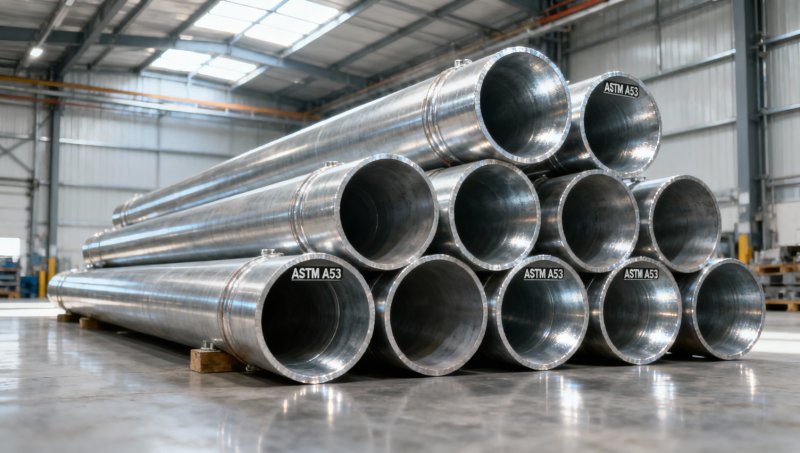
Carbon steel pipe is rarely a “plug-and-play” component—it supports structural integrity, pressure containment, and long-term corrosion resistance. When sourced from unvetted suppliers, even minor deviations in chemistry, dimensional tolerance, or heat treatment can trigger cascading failures: delayed inspections, rejected welds, or field rework costing 3–5× the original procurement budget.
Three recurring risk categories emerge across global projects: (1) Material substitution, where lower-grade coils like DX51D+Z are misrepresented as ASTM A53 or EN 10219 structural pipe; (2) Documentation gaps, including missing MTRs (Mill Test Reports), forged certifications, or inconsistent batch traceability; and (3) OEM capability mismatch, where stockists lack in-house bending, cutting, or galvanizing infrastructure—forcing third-party handoffs that erode precision and accountability.
A 2023 internal audit of 47 construction projects across Southeast Asia revealed that 31% experienced at least one carbon steel pipe-related delay linked to supplier verification gaps—averaging 11.2 days per incident. The root cause? Overreliance on commercial platforms without validating mill origin, rolling history, or zinc layer adhesion testing for coated variants.
What to Verify Before Approving a New Stockist
Procurement and technical teams must treat stockist onboarding as a controlled engineering process—not a transactional checklist. Focus on five non-negotiable verification layers:
- Mill Origin & Traceability: Confirm direct sourcing from certified mills (e.g., Baosteel, POSCO, Nippon Steel) — not trading houses masking as manufacturers.
- Full MTR Coverage: Require full chemical composition, tensile/yield strength, elongation, and bend test results per ASTM A53/A106 or EN 10217-1, with batch-specific timestamps.
- Zinc Layer Integrity: For galvanized pipe or prepainted coil, verify coating weight (60–275 g/m²), adherence (ASTM D3359), and spangle uniformity—not just “hot-dip galvanized” labels.
- OEM Readiness: Assess whether the supplier offers bending, threading, or custom cut-length services—and whether those processes occur under the same QA system as base material production.
- Logistics Accountability: Confirm packaging meets ISO 8502-3 standards for rust prevention, and that lead times include buffer for customs clearance and third-party inspection windows (typically 7–15 days).
Hongteng Fengda maintains full vertical control—from raw coil rolling to final pipe fabrication—ensuring every Galvanized Steel Coil Sheet batch carries auditable mill records, real-time thickness verification (±0.02mm tolerance), and dual-standard compliance (ASTM + GB).
Critical Certification Alignment Table
Not all certifications carry equal weight in structural applications. This table compares verification priorities by stakeholder role and risk impact:
This alignment prevents miscommunication between departments—e.g., finance approving a low-cost quote while quality rejects the same coil due to insufficient Z275 coverage for offshore use.
How Hongteng Fengda Mitigates Sourcing Risk End-to-End
As a vertically integrated structural steel manufacturer—not a distributor—Hongteng Fengda controls six key risk mitigation levers:
- Direct Mill Sourcing: All carbon steel pipe starts from our owned cold-rolled coil lines (certified to ASTM A653, EN 10142, GB/T 2518), eliminating middlemen markup and traceability breaks.
- On-Site QA Lab: In-house tensile testing, zinc thickness measurement (XRF), and salt-spray validation (ASTM B117, 500+ hours) conducted before shipment.
- OEM Flexibility: From angle steel bending to custom carbon steel pipe fabrication—including tapered ends, flanged joints, and laser-cut mounting plates—all under one QA umbrella.
- Standardized Documentation: Every order includes bilingual MTRs, EN 10204 3.1 certificates, and digital traceability QR codes linking to mill batch logs.
- Regional Compliance Mapping: Pre-certified configurations for North America (ASTM A53/A106), EU (EN 10217-1), and GCC (ASME B31.4), reducing approval cycles by up to 4 weeks.
- Lead Time Guarantee: Fixed 25–35 day production cycle for standard carbon steel pipe; 45-day guarantee for OEM orders—with penalty clauses for delays.
For buyers evaluating alternatives to generic stockists, we offer free technical consultation on specification alignment—including cross-referencing DX51D+Z coil properties against ASTM A53 Grade B requirements and advising on optimal zinc layer selection for your installation environment.
Next Steps: Reduce Risk Without Delaying Your Timeline
Don’t wait for the first failed weld test or inspection hold to reassess your carbon steel pipe supply chain. With Hongteng Fengda, you gain:
- Free sample kits with full MTRs and dimensional validation reports (lead time: 5–7 business days)
- Custom feasibility review: Share your pipe specs (diameter, wall thickness, grade, coating, bends), and receive OEM capability confirmation within 48 hours
- Pre-shipment third-party inspection coordination (SGS/BV) included at no extra cost
- Multi-currency invoicing and flexible LC terms for enterprise buyers
Ready to validate your next carbon steel pipe order against real-world structural requirements? Contact our technical sales team today for a no-obligation specification audit and delivery timeline assessment.
Please give us a message


Please enter what you want to find