When evaluating the ss 304 sheet price, raw material cost is only part of the equation. For procurement and commercial assessment teams, factors such as thickness tolerance, surface finish, processing method, order volume, certification requirements, and global freight conditions can all influence the final quotation.
Understanding these variables helps buyers compare offers more accurately, control sourcing risks, and make cost-effective decisions. In practice, the lowest unit price is not always the lowest total procurement cost, especially when quality inconsistency, delayed delivery, or compliance gaps create downstream losses.
What is the real search intent behind ss 304 sheet price comparisons?
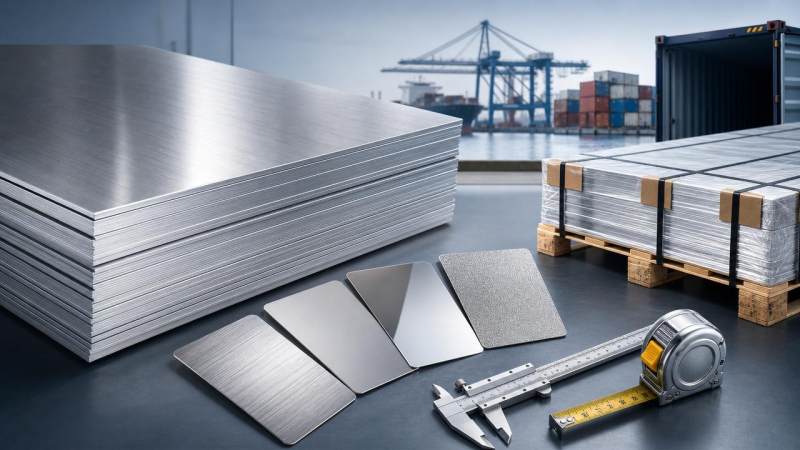
For business evaluation teams, the core intent is rarely to find a simple market number. The real goal is to understand why quotations differ, what each supplier is actually offering, and how to judge whether a price is commercially reasonable.
In other words, buyers want to separate commodity cost from specification value. They need a framework to compare like-for-like offers, identify hidden cost drivers, and avoid choosing a lower quote that later increases fabrication, inspection, or project risk.
Why raw material cost explains only part of the ss 304 sheet price
Nickel, chromium, stainless scrap, and energy costs do affect stainless steel pricing. However, commercial quotations for 304 sheets also include conversion cost, production yield, processing, packaging, quality assurance, logistics exposure, and supplier risk margin.
That is why two suppliers can quote different prices for what appears to be the same grade. If one quote includes tighter tolerance, protective film, mill test certificates, export packaging, and faster lead time, it is not directly comparable to a basic offer.
Thickness tolerance is a major but often overlooked price factor
Thickness tolerance directly affects rolling control, yield, and quality consistency. Sheets produced with tighter thickness accuracy generally cost more because they require stricter process control and may create lower manufacturing yield for the mill.
For procurement teams, tolerance matters because it affects usable material, forming stability, and downstream acceptance. A cheaper sheet with wider deviation may create welding issues, dimension inconsistency, or rejection during fabrication, offsetting any savings from the initial purchase price.
When comparing quotations, always confirm nominal thickness, minimum guaranteed thickness, tolerance standard, and whether the offer is based on theoretical or actual weight. This is one of the fastest ways to identify why the ss 304 sheet price differs between suppliers.
Surface finish can significantly change quoted cost
Surface finish is another important cost variable. Common finishes such as 2B, BA, No.1, No.4, HL, or mirror finish involve different processing routes, polishing steps, and inspection requirements, which naturally affect the final selling price.
A 304 sheet intended for decorative panels, kitchen equipment, or visible architectural applications typically needs better surface consistency than sheet used for concealed structural or industrial parts. Better appearance means more processing time, stricter defect control, and higher rejection standards.
Commercial teams should therefore define whether the requirement is cosmetic, functional, or both. Without a clear finish requirement, quotations may look competitive but later require rework, replacement, or customer approval concessions.
Processing method and customization add more than many buyers expect
The base sheet price usually covers standard mill production only. Once the order includes slitting, cut-to-length, laser cutting, bending, perforation, edge conditioning, PVC coating, or custom packaging, the total quote can rise quickly.
These adders depend on labor intensity, machine occupancy, scrap loss, drawing complexity, and inspection needs. For buyers evaluating project budgets, it is more useful to request a full processed-part price than to focus only on raw sheet cost.
This logic also applies to other stainless products. For example, buyers comparing filtration or industrial screening materials often review mesh count, wire diameter, weave type, corrosion resistance, and roll size rather than metal cost alone. In such cases, Stainless Steel Welded Mesh may be evaluated by technical performance and customization scope as much as by stainless input value.
Order volume and production scheduling influence price competitiveness
Order size affects manufacturing efficiency, packaging cost, and freight allocation. Larger volumes generally allow better pricing because fixed setup costs are spread over more tons, and suppliers can optimize rolling schedules or container loading plans.
However, volume alone does not guarantee the best deal. If the order combines many sizes, mixed finishes, or urgent split deliveries, the supplier may still quote higher due to planning complexity and inventory pressure.
For business assessment teams, it helps to evaluate annual demand instead of one-off purchases only. Blanket orders, forecast visibility, and repeat buying potential often improve supplier willingness to offer more stable and competitive ss 304 sheet price terms.
Certification and compliance requirements can raise the final quote
Many buyers need more than material itself. They may require MTCs, PMI testing, third-party inspection, RoHS or REACH declarations, EN or ASTM compliance, or project-specific traceability records. Each of these adds administrative and operational cost.
In regulated sectors or export projects, documentation quality is part of product value. A supplier that can provide complete and reliable certification reduces approval delays and legal exposure, which may justify a higher unit quotation.
From a commercial standpoint, certification cost should be viewed against the cost of non-compliance. If missing or weak documentation causes customs issues, client disputes, or failed inspection, the actual project loss can far exceed the material price difference.
Freight, Incoterms, and destination risks often distort price comparisons
Global buyers frequently compare quotations without normalizing Incoterms. A low EXW price may look attractive beside a CIF offer, but once inland transport, export handling, sea freight, insurance, destination charges, and customs coordination are added, the result can reverse.
Freight volatility also matters. Stainless products are heavy, and small changes in ocean rates, fuel surcharges, or container availability can materially affect total landed cost. For urgent orders, air freight or expedited trucking can make the procurement economics very different.
Business evaluators should compare total landed cost rather than mill price only. The right question is not just “What is the ss 304 sheet price?” but “What is the delivered, compliant, usable cost at our site or project location?”
Supplier capability and reliability are built into the quotation
Price also reflects the supplier’s operational maturity. Manufacturers with stable capacity, strict quality control, export experience, and dependable lead times often quote differently from trading firms or unstable mills because they carry different risk profiles.
A reliable supplier can reduce hidden costs such as delivery delays, mixed material risk, inconsistent thickness, packing damage, and weak after-sales support. For procurement teams serving construction, industrial, or manufacturing projects, those risks have real financial impact.
Companies sourcing from experienced Chinese structural steel exporters, for example, often assess more than nominal price. They consider standard compliance, production control, OEM support, and shipment consistency because these factors influence project execution and cash flow predictability.
How buyers can compare quotations more accurately
The most effective method is to create a quotation checklist and force quote normalization. Compare grade, thickness tolerance, finish, sheet size, origin, inspection scope, packaging, Incoterms, lead time, payment term, and document package on one sheet.
Then classify cost into three layers: base material cost, processing and compliance adders, and logistics or risk adders. This helps decision makers see whether a higher quote comes from better value, stricter requirements, or simply supplier margin.
It is also useful to ask suppliers what is excluded. Missing film protection, weak export packing, or absent third-party testing often appears only after order confirmation. A transparent exclusion list reduces misunderstanding and strengthens commercial comparison.
What matters most for commercial assessment teams
For this audience, the key concern is not chasing the lowest visible number. It is protecting total procurement value. That means balancing price, technical fit, compliance, lead time reliability, and supply risk in a way that supports project performance.
A practical evaluation should include landed cost, rejection risk, rework probability, supplier responsiveness, and the cost of delay. When these factors are included, a moderately higher quoted ss 304 sheet price may deliver a better commercial outcome than a cheaper but unstable option.
This is especially true for repeat procurement or project-linked supply, where consistency and forecast support matter. Stable partners can help buyers control budget variance over time rather than simply offer one attractive quote on a single order.
Conclusion: the best price is the one with the clearest value
Raw material cost remains important, but it does not fully explain stainless sheet quotations. Thickness tolerance, finish, processing, order structure, certification, freight, Incoterms, and supplier capability all shape the final ss 304 sheet price in real transactions.
For business evaluation professionals, the smartest approach is to compare total value, not just unit cost. A well-structured quotation review can reveal hidden risks, improve sourcing accuracy, and support decisions that are both commercially sound and operationally dependable.
If buyers define specifications clearly and normalize every offer carefully, they can negotiate with more confidence, avoid false savings, and build a supply strategy that delivers long-term cost control rather than short-term headline price advantages.
Please give us a message


Please enter what you want to find