On June 4, 2026, former President Donald Trump signed the final document to reduce import tariffs on certain steel, aluminum, and copper products, with exemptions granted to the EU, UK, and South Korea. This move will directly impact the cost and competitiveness of Chinese steel exports to the U.S. market, particularly benefiting compliant Chinese exporters and overseas distributors. The scope of exemptions and origin certification requirements are now critical factors for buyers evaluating supply chain alternatives.
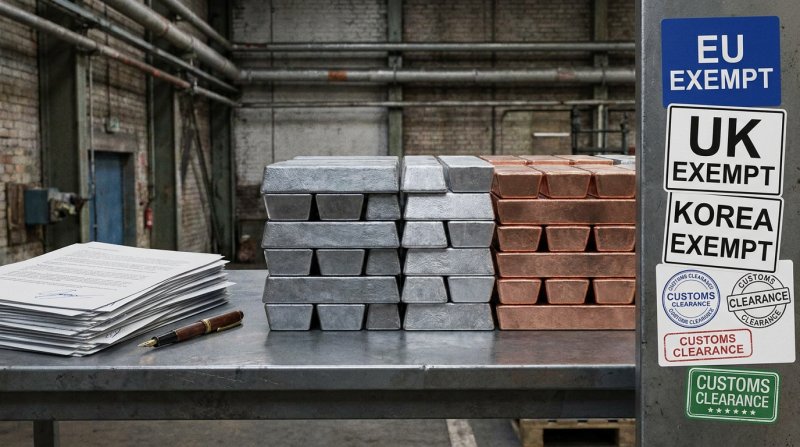
Tariff Adjustments and Key Exemptions
The finalized policy, effective June 8, 2026, lowers tariffs on select steel, aluminum, and copper imports. Notably, the EU, UK, and South Korea are exempted from these adjustments. The changes are expected to reshape trade dynamics, particularly for Chinese exporters facing altered cost structures in the U.S. market.
Impact Across the Supply Chain
From an industry perspective, the tariff revisions will have ripple effects across multiple segments. Exporters from non-exempt countries, especially China, may face heightened competition in pricing. Meanwhile, distributors in exempted regions could gain a competitive edge in sourcing and logistics.
Opportunities for Compliant Exporters
Chinese suppliers with verified compliance documentation stand to benefit from revised cost structures, provided they meet origin certification requirements. This creates a potential advantage over competitors lacking such credentials.
Procurement Shifts for U.S. Buyers
American manufacturers and construction firms may reassess supplier networks, with exempt-country materials becoming more attractive. The policy could accelerate diversification efforts away from traditional supply routes.
Critical Considerations for Businesses
Companies engaged in trans-Pacific metals trade should prioritize three immediate action items:
Exemption List Scrutiny
Detailed review of product classifications and country-specific exemptions is essential to identify newly competitive sourcing options.
Certification Preparedness
Exporters must ensure all origin documentation meets updated verification standards to capitalize on tariff advantages.
Pricing Strategy Revisions
Both buyers and sellers should model new landed cost scenarios to reflect the changing tariff landscape in contract negotiations.
Policy Implications and Market Signals
Analysis shows this development represents more than a simple tariff adjustment. The selective exemptions suggest a continued emphasis on geopolitical trade alignments, with the changes likely to influence long-term sourcing patterns rather than serve as a temporary measure.
A Calculated Shift in Trade Policy
The tariff modifications signal a strategic recalibration of U.S. metals import policy, with differentiated treatment for allied nations. While the immediate effects will manifest in pricing adjustments, the broader impact on supply chain configurations warrants close monitoring through 2026.
Source Information
This analysis is based on the provided information regarding the June 4, 2026 tariff policy announcement. Official documentation from the U.S. government should be consulted for definitive product classifications and implementation details. Continued verification of exemption qualifications and origin requirements remains essential for market participants.
Please give us a message


Please enter what you want to find