Understanding structural steel benefits is essential for decision-makers planning modern buildings that demand strength, speed, and cost control. From commercial facilities to industrial projects, structural steel helps improve design flexibility, construction efficiency, and long-term performance. For global buyers, choosing a reliable manufacturer also means better quality consistency, compliance, and reduced sourcing risk.
Why do structural steel benefits matter more in modern building decisions?
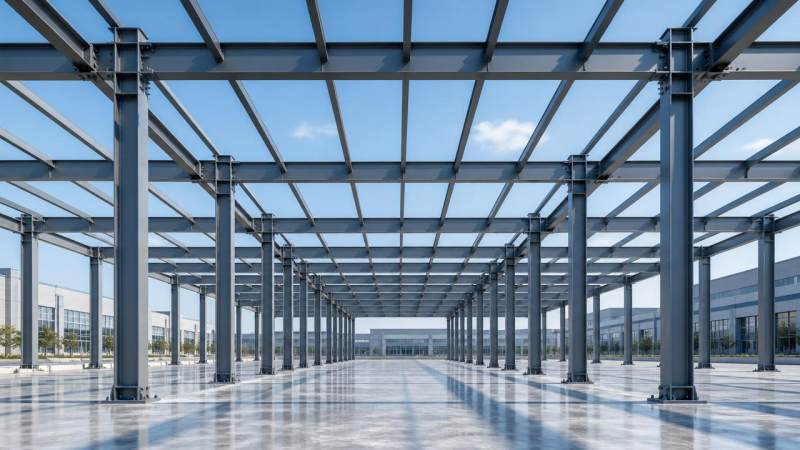
For business leaders, material selection is no longer a narrow engineering topic. It directly affects project cost, delivery schedule, regulatory approval, maintenance planning, and future asset value. That is why structural steel benefits now influence boardroom decisions as much as site-level execution.
Modern buildings face tighter deadlines, more complex load requirements, and stronger pressure to balance performance with budget control. In this context, structural steel stands out because it supports long spans, adaptable layouts, and efficient prefabrication. These advantages help developers, contractors, and industrial investors reduce uncertainty before construction even begins.
Compared with materials that require heavier sections or longer curing cycles, steel allows a more predictable project path. This predictability matters to decision-makers managing financing windows, labor coordination, procurement risks, and cross-border supply chains.
- Faster erection can shorten the overall construction period and improve capital turnover.
- High strength-to-weight ratio can reduce foundation loads and support more efficient structural design.
- Factory-controlled production improves dimensional consistency and supports quality planning.
- Compatibility with international standards simplifies procurement across multiple regions.
What are the core structural steel benefits for commercial and industrial projects?
The most important structural steel benefits are not only technical. They are operational. A strong steel frame supports practical business outcomes such as lower schedule risk, easier expansion, and better coordination with mechanical, electrical, and process equipment.
Strength and load performance
Structural steel can handle substantial loads with relatively slim member sizes. This is valuable in warehouses, plants, logistics hubs, high-bay storage facilities, and commercial buildings where usable floor area matters. More efficient sections can translate into cleaner internal layouts and fewer obstructions.
Speed of fabrication and erection
Steel components are typically fabricated off-site under controlled conditions, then transported for assembly. This reduces weather-related disruption and makes installation more predictable. For investors working under fixed launch dates or production ramp-up targets, time saved on site can be commercially significant.
Design flexibility
Architects and engineers often prefer steel when projects need long spans, open floors, mezzanines, equipment platforms, or later modifications. One of the overlooked structural steel benefits is future adaptability. A building designed for one production line today may need a different layout in three years.
Consistency in quality
Decision-makers should not evaluate material only by nominal grade. Manufacturing control is equally important. Reliable mills and fabricators maintain process discipline, dimensional tolerances, traceable raw materials, and inspection routines. Those factors reduce rework, mismatched assemblies, and project delays.
How does structural steel compare with other common building material options?
When evaluating structural steel benefits, buyers usually compare steel with reinforced concrete, masonry systems, or mixed structural approaches. The right answer depends on building type, regional codes, labor conditions, and design intent. Still, a side-by-side view helps procurement and technical teams make clearer decisions.
This comparison does not mean steel is always the only option. It shows why structural steel benefits become compelling when speed, span, modular coordination, and future adaptability are major priorities. For many commercial and industrial developments, those factors carry more financial weight than simple material price per ton.
Which building scenarios gain the most from structural steel benefits?
Not every project has the same priorities. Decision-makers should connect structural steel benefits to the actual operating model of the facility. In many cases, steel delivers the highest value where time, openness, equipment integration, and durability matter together.
The value of steel becomes even clearer in export-oriented projects or multinational developments. Standardized sections, documented grades, and fabrication coordination make it easier to align engineers, buyers, and contractors across countries.
What should procurement teams check before buying structural steel?
Many sourcing problems start with incomplete technical confirmation. Buyers often focus on nominal price, but the real procurement decision should include specification matching, tolerances, coating requirements, mill capability, packaging, and shipping readiness. Structural steel benefits can be lost if the supply process is poorly managed.
A practical procurement checklist
- Confirm applicable standards such as ASTM, EN, JIS, or GB according to project location and engineer requirements.
- Verify section type, grade, dimensions, thickness tolerance, and any fabrication details before production starts.
- Review corrosion protection needs, including galvanizing, primer systems, or painting specifications based on service environment.
- Check documentation scope, including material certificates, inspection records, packing lists, and shipment marking.
- Assess supplier responsiveness on lead time, OEM support, and change management during project execution.
Hongteng Fengda supports these needs through a product range that includes angle steel, channel steel, steel beams, cold formed steel profiles, and customized structural steel components. For international buyers, that combination matters because mixed projects often require both standard sections and tailored parts under one sourcing plan.
How can corrosion protection improve the real value of structural steel benefits?
Durability is one of the most practical structural steel benefits, but only when the right surface protection strategy is selected. In humid, industrial, coastal, or utility-related environments, corrosion resistance becomes a budgeting issue as much as a technical issue. Maintenance frequency, shutdown risk, and replacement cost must all be considered early.
A useful example in related steel applications is Electrical Conduit Galvanized. This product is based on DX52D and is used across the construction industry, light industry, automobile industry, agriculture, storage, transport, machinery, chemical installations, electric power, highways, bridges, and general low-pressure fluid pipelines.
Its dimensional range includes length from 1 to 12 meters, width from 0.6 to 3 meters, and thickness from 0.1 to 300 millimeters, with a thickness tolerance of ±0.15 millimeters. It can also be supplied with surface preparation and painting according to customer requirements, while meeting common reference standards such as AISI, ASTM, DIN, JIS, GB, SUS, and EN.
For buyers, the lesson is clear: galvanized and coated steel products can extend service life and reduce lifecycle maintenance, especially where moisture, chemicals, or outdoor exposure are part of the operating environment. That principle applies not only to conduit and pipe-related products, but also to many structural support systems connected to modern buildings.
How do standards, compliance, and export capability reduce sourcing risk?
For enterprise buyers, supply risk often comes from misaligned standards rather than visible product defects. A section produced to one market expectation may not satisfy another market’s design documentation. This is why compliance capability is a core part of structural steel benefits in international procurement.
Hongteng Fengda manufactures with attention to major international standards including ASTM, EN, JIS, and GB. That matters for project teams in North America, Europe, the Middle East, and Southeast Asia because standard familiarity speeds communication between designers, inspectors, procurement managers, and site contractors.
- Standard alignment helps prevent costly re-approval or material substitution after ordering.
- Quality control routines improve consistency across batches, especially for repeat or phased projects.
- Dependable lead times support shipping schedules and installation sequencing.
- OEM capability simplifies procurement when standard catalog products are not enough.
A manufacturer with export experience also understands practical issues beyond production, such as packing methods, marking, loading plans, and document preparation. These details rarely appear in early quotations, yet they often determine whether a project proceeds smoothly.
What cost factors should decision-makers evaluate beyond the initial steel price?
A frequent purchasing mistake is judging structural steel benefits only by ex-works or delivered tonnage cost. The better approach is total project value. A lower unit price can become expensive if it leads to delayed erection, higher labor cost, additional surface treatment, or rework due to poor fit-up.
This is why experienced buyers ask for more than a price list. They ask how the supplier will support specification review, production coordination, and shipment planning. Those service elements protect the full value of structural steel benefits over the entire project cycle.
FAQ: what do buyers often misunderstand about structural steel benefits?
Is steel only suitable for large industrial buildings?
No. While heavy industry is a major application, structural steel is also widely used in commercial buildings, warehouses, support structures, mezzanines, canopies, and mixed-use developments. The correct question is not building size, but whether the project values speed, flexibility, and efficient load-bearing performance.
Do structural steel benefits disappear if the initial price is higher than alternatives?
Not necessarily. Buyers should compare total installed cost and lifecycle cost. Faster erection, reduced site labor, easier expansion, and lower maintenance can offset a higher initial material quote. The right evaluation method should include schedule value and operational continuity.
What is the most common procurement risk?
A common risk is incomplete alignment on standards, dimensions, and corrosion protection before production. Another is choosing a supplier that can quote but cannot consistently deliver documentation, tolerances, and lead time. These issues cause more disruption than small price differences.
How should global buyers evaluate a Chinese structural steel supplier?
Focus on product range, export experience, standard familiarity, manufacturing control, customization ability, and communication efficiency. A supplier should be able to discuss ASTM, EN, JIS, or GB requirements clearly, support OEM requests, and provide realistic lead time guidance rather than generic promises.
Why choose us for structural steel sourcing and project support?
Hongteng Fengda serves global construction, industrial, and manufacturing projects with a focused structural steel supply capability. We provide angle steel, channel steel, steel beams, cold formed profiles, and customized structural steel components for buyers who need both specification accuracy and dependable execution.
Our value is practical. We help customers reduce sourcing risk through stable production capacity, strict quality control, and familiarity with major international standards. We also support OEM solutions when standard sections are not enough for the project requirement.
If you are evaluating structural steel benefits for a new building, expansion project, or industrial facility, you can contact us to discuss specific needs such as parameter confirmation, section selection, corrosion protection options, standard matching, delivery schedule, sample support, custom fabrication scope, and quotation planning.
A clear technical discussion at the beginning can prevent delays later. Share your drawings, target standards, quantity estimate, application scenario, and timeline, and we can help you assess a more suitable structural steel sourcing plan.
Please give us a message


Please enter what you want to find