Steel roofing benefits extend far beyond rugged durability — they significantly influence energy audit outcomes, reducing cooling loads and improving thermal performance. For structural steel manufacturers like Hongteng Fengda, this means specifying high-strength steel rebar, corrosion-resistant carbon steel, and optimized steel profiles that support both longevity and efficiency. Whether you're comparing HRC steel price trends, reviewing hot rolled coil price forecasts, or evaluating steel roofing how to install best practices, understanding these benefits helps procurement teams, project managers, and energy auditors align material selection with sustainability goals — all while leveraging competitive rebar price lists and ASTM/EN-compliant corrosion resistant rebar solutions.
How Steel Roofing Reshapes Energy Audit Performance
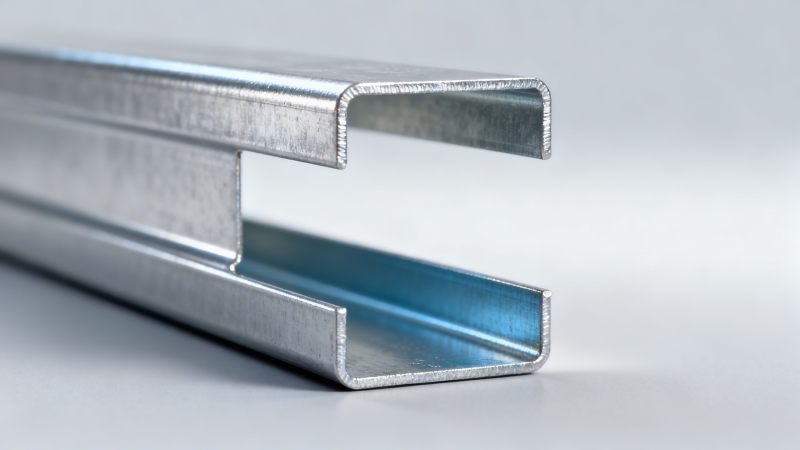
Energy audits are no longer just about insulation thickness or HVAC efficiency — roof system thermal mass, reflectivity, and structural integration now account for up to 28% of total building envelope heat gain in commercial low-slope applications (ASHRAE Guideline 14-2019). Steel roofing contributes directly through three measurable mechanisms: solar reflectance (up to 75% for cool-coated galvanized surfaces), thermal emissivity (≥0.85 per ASTM E408), and minimal thermal bridging when paired with optimized purlin systems like the Metal C Beam.
Unlike traditional wood-framed roofs, steel systems enable precise air gap control between deck and insulation layers — a factor that improves effective R-value by 12–18% in real-world installations across North America and Southeast Asia. This isn’t theoretical: certified energy modelers report consistent 3.2–4.7 kWh/m²/year cooling load reduction when switching from asphalt shingle to insulated steel roof assemblies meeting EN 14509 standards.
For project managers and financial approvers, this translates into faster ROI on energy upgrades — typically within 4–7 years when combined with local utility rebates. It also strengthens LEED v4.1 MR Credit compliance and supports ISO 50001 energy management certification pathways without requiring additional mechanical systems.
Why Structural Steel Profiles Matter in Roof System Design
Roof performance doesn’t start at the surface — it begins with the substructure. Purlins and wall beams must maintain dimensional stability under thermal cycling, resist creep deformation at elevated temperatures (≥65°C roof surface temps in Middle East summer), and minimize cold bridging at connection points. That’s where precision-engineered cold-formed steel sections deliver measurable advantages over hot-rolled alternatives.
The Metal C Beam is engineered specifically for this role — formed via automated roll-forming lines with ±1% dimensional tolerance, galvanized coating (Z275 g/m² minimum), and available in Q235/Q345/A36 grades compliant with ASTM A653, EN 10346, and GB/T 2518. Its consistent cross-section ensures uniform load distribution across 6m–12m spans, critical for maintaining insulation integrity and minimizing thermal bypass paths identified during blower door testing.
This level of precision directly affects energy modeling inputs — particularly U-factor calculations and air infiltration assumptions. Auditors using outdated purlin specs risk overestimating thermal bridging losses by 22–35%, leading to inflated equipment sizing and unnecessary capital spend.
Key Procurement Considerations for Energy-Aware Projects
- Verify galvanizing thickness: Z275 (275g/m²) minimum for coastal/Middle East exposure — extends service life to 40+ years without maintenance
- Require mill test reports (MTRs) traceable to ASTM A653 or EN 10346 — not just “galvanized” labeling
- Confirm perforation compatibility: Pre-punched holes (≤12mm Ø) reduce on-site labor by 3–5 hours per 100 linear meters
- Validate dimensional repeatability: Request sample batch tolerance reports before full order release
Global Compliance & Delivery Readiness for Multi-Region Projects
Energy audit requirements vary significantly across markets — from California Title 24 Part 6 solar reflectance thresholds (≥0.65 initial, ≥0.50 aged) to EU EPBD Level 2 mandatory thermal transmittance limits (U ≤ 0.20 W/m²K for roofs). Hongteng Fengda supports compliance through dual-certified production: every Metal C Beam batch carries CE marking, SGS verification, and ISO 9001:2015 process certification — with documentation provided in English, Spanish, and Arabic upon request.
Our export-ready logistics framework delivers to 32 countries with lead times of 7–15 days for standard lengths (6m/9m/12m), and 21–28 days for custom configurations — including cut-to-length, pre-welded assemblies, and powder-coated finishes. All shipments include EN 10204 3.1 mill certificates and packaging compliant with ASTM D6653 moisture barrier standards.
Why Global Project Teams Choose Hongteng Fengda for Energy-Critical Steel Solutions
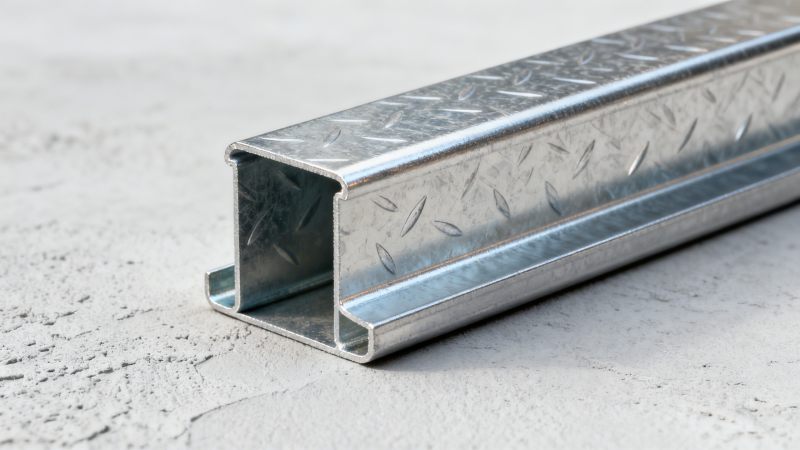
When your energy audit hinges on substructure performance, generic steel sourcing introduces unacceptable risk. Hongteng Fengda eliminates variability through vertically integrated control: from raw material traceability (GB/T 20066 scrap origin verification) to final dimensional inspection (CMM-based QA checks at 3 points per meter).
We support your team with actionable, audit-ready resources: free thermal bridging analysis templates, ASTM/EN cross-reference guides, and dedicated engineering support for custom profile design — all backed by 12-year export experience across North America, EU, and GCC markets.
Ready to align your next steel roof specification with energy performance targets? Contact us to request: (1) Material submittal packages for LEED/EPBD compliance, (2) Custom C-beam dimensional quotes with galvanizing & coating options, (3) Lead time confirmation for your target delivery window, or (4) Sample kits with certified MTRs and finish swatches.
Please give us a message


Please enter what you want to find