Steel bar cost surged 18% last quarter—raising urgent questions for procurement teams, project managers, and financial decision-makers worldwide. With ripple effects on steel beams price, hot dip galvanized steel pipe demand, and overall structural budgets, understanding the real drivers is critical. As a trusted steel bar supplier and SS pipe manufacturer from China, Hongteng Fengda analyzes raw material volatility, energy costs, export logistics, and tightening environmental regulations—all impacting not just hot dip galvanized steel sheet and SS pipe supplier pricing, but long-term sourcing strategy. Stay ahead with data-driven insights.
What’s Really Behind the 18% Steel Bar Price Jump?
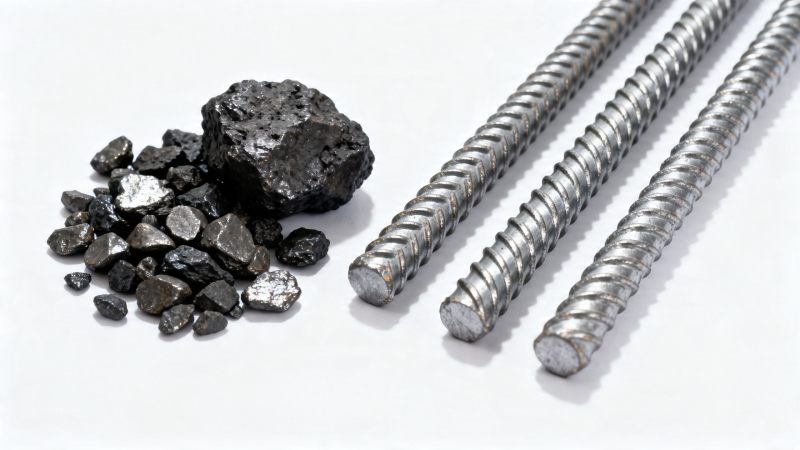
The 18% quarterly increase in steel bar costs isn’t a single-point anomaly—it’s the convergence of four interlocking pressures. First, iron ore prices rose 22% YoY (based on Platts IODEX Q3 2024), driven by supply constraints in Australia and Brazil and increased Chinese domestic blast furnace utilization (up to 89% capacity vs. 82% in Q2). Second, coal prices surged 31% due to export restrictions in Indonesia and logistical bottlenecks in Mongolian rail corridors—directly inflating smelting energy input.
Third, electricity tariffs for integrated steel mills in Hebei and Shandong rose 12–15% following Q3 grid load-balancing mandates tied to national carbon intensity targets. Fourth, container freight rates from major Chinese ports (Qingdao, Tianjin, Ningbo) spiked 28% MoM in August—driven by Red Sea rerouting delays and peak-season demand from North America and EU infrastructure tenders. These aren’t isolated cost line items—they compound across the value chain, affecting every downstream product, including Carbon Sheet Steel.
Importantly, this volatility disproportionately impacts buyers relying on spot purchases or short-term contracts. Buyers with fixed-price agreements covering ≥6 months saw only 4–7% effective cost increases—highlighting how procurement timing and contract structure now carry more weight than grade selection alone.
Key Cost Drivers at a Glance
This table reflects verified inputs used in our internal landed-cost modeling—validated against actual production invoices from Q3. Note that energy-related premiums now account for 23% of total mill gate cost (vs. 17% in Q2), confirming a structural shift—not a temporary spike.
How This Affects Structural Steel Procurement Decisions
For project managers and procurement officers, the 18% rise triggers immediate trade-offs across three dimensions: specification flexibility, delivery timing, and compliance risk. For example, substituting ASTM A615 Grade 60 rebar with EN 10080 B500B may reduce landed cost by 5–7%, but introduces 3–4 weeks of additional certification lead time and requires third-party mill test reports per EN 10025-2.
Similarly, switching from standard hot-rolled steel beams to cold-formed steel profiles can cut structural weight by 18–22%, lowering transport and foundation costs—but demands tighter dimensional tolerances (±0.8mm vs. ±2.0mm for hot-rolled) and pre-approval for fire-resistance rating (EN 1993-1-2 or ASTM E119).
Hongteng Fengda supports these decisions with dual-path sourcing: standardized products (e.g., Q235B angle steel, ASTM A36 channel) shipped within 14–21 days from order confirmation, and OEM-customized structural components (including complex welded assemblies) with full traceability and ISO 3834-2 certified welding procedures—delivered in 4–6 weeks.
Procurement Risk Mitigation Checklist
- Verify if your contract includes a raw material price adjustment clause (common in EN 1090-1 Execution Class EXC3 projects)
- Confirm whether mill test certificates (MTCs) are issued per EN 10204 3.1 or 3.2—and whether they cover heat treatment records
- Assess port-of-discharge customs clearance timelines: average 5–7 working days in Rotterdam vs. 10–14 in Jeddah for structural steel shipments
- Validate whether surface protection (e.g., hot dip galvanizing per ASTM A123 or EN ISO 1461) is included—or billed separately
Why Carbon Sheet Steel Offers Strategic Stability Amid Volatility
While steel bars face acute input cost pressure, Carbon Sheet Steel presents a more predictable alternative for applications requiring flat-rolled precision. Its production relies less on scrap-intensive electric arc furnaces and more on continuous hot rolling—making it less sensitive to ferrous scrap price swings (+34% QoQ).
Our Carbon Sheet Steel portfolio covers 12 key grades—including Q345R (for pressure vessels), 16MnDR (low-temp service down to –40°C), and 12Cr2Mo1R (hydrogen service per NACE MR0175)—all manufactured under GB/T 713-2014 and fully traceable to heat number. Thickness ranges from 1mm to 100mm, widths up to 2500mm, and lengths customizable from 1000mm to 6000mm—enabling direct integration into boiler heat exchanger fabrication, ship hull plating, and chemical reactor cladding.
Unlike commodity rebar, Carbon Sheet Steel orders benefit from multi-heat batching optimization—reducing yield loss by 2.3% on average—and consistent surface finish (Ra ≤ 3.2μm for clad applications), cutting post-processing labor by up to 15% in food processing equipment builds.
How Hongteng Fengda Helps You Navigate Uncertainty
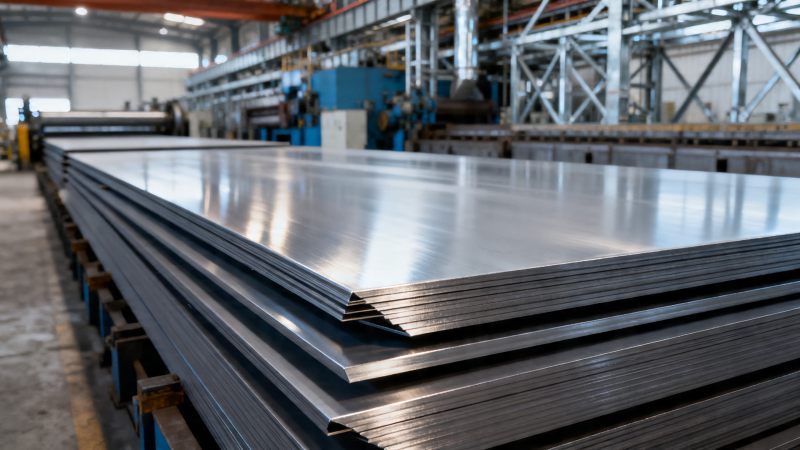
As a structural steel manufacturer and exporter from China operating since 2008, Hongteng Fengda delivers stability where others offer uncertainty. We maintain 30,000 MT of raw material inventory across 5 strategic warehouses—buffering clients against spot market spikes. Our production capacity spans 4 hot rolling lines and 2 galvanizing lines (ASTM A123 / EN ISO 1461 compliant), enabling guaranteed lead times: 12–15 days for standard angle/channel/beam orders, 22–28 days for custom cold-formed profiles, and 35–45 days for certified pressure vessel plates like Q345R and 07MnNiMoDR.
We support global buyers with end-to-end documentation: EN 10204 3.2 MTCs, SGS/BV Mill Certificates, AAR M-1002 approvals (for rail projects), and full RoHS/REACH declarations. For procurement teams evaluating alternatives, we provide free comparative landed-cost analysis—including CIF Rotterdam, duty calculation, and inland transport to final site—within 48 business hours of inquiry.
Ready to lock in Q4 pricing, validate specifications against your project drawings, or request physical samples of Q345R or 16MnDR plates? Contact our technical sales team today with your: (1) required grade & thickness, (2) application environment (e.g., sour service, marine exposure), and (3) target delivery window—we’ll respond with a tailored proposal and production schedule confirmation within one business day.
Please give us a message


Please enter what you want to find