As 2026 construction budgets tighten and project complexity rises, understanding the real cost drivers behind a steel structure is becoming critical for business decision-makers.
From raw material pricing and fabrication standards to logistics, customization, and compliance, each factor can significantly affect total project value.
This guide explains the main questions behind steel structure pricing and shows how to make more confident sourcing decisions in a changing global market.
What makes a steel structure more expensive in 2026?
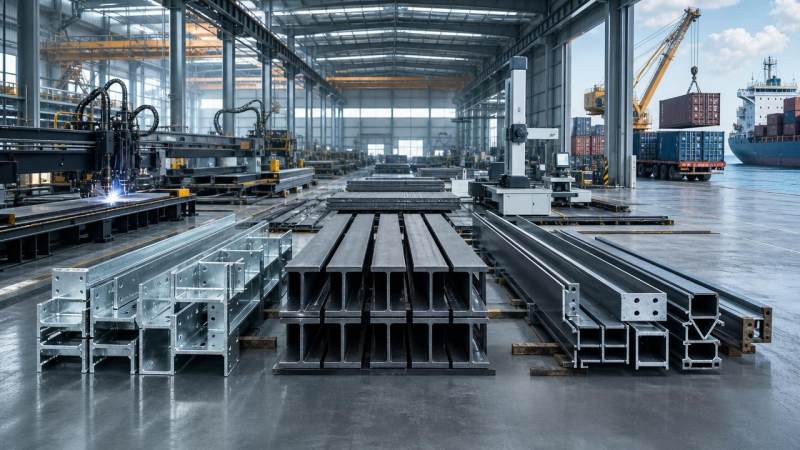
The first driver is steel raw material volatility. Plate, beam, coil, and billet prices still move with energy costs, mining output, and regional policy changes.
A steel structure also becomes costlier when project specifications demand thicker sections, tighter tolerances, or complex welding requirements.
Labor is another major factor. Fabrication shops face rising wages, skills shortages, and longer setup times for non-standard structural components.
Protective treatment adds cost as well. Hot-dip galvanizing, painting systems, and anti-corrosion preparation can change the final budget considerably.
In 2026, buyers should also watch financing pressure. Inventory costs, foreign exchange movement, and freight uncertainty are often built into quotations.
Key cost items usually include:
- Base steel material grade and weight
- Cutting, drilling, welding, and forming
- Surface treatment and corrosion protection
- Testing, inspection, and documentation
- Packing, inland transport, and ocean shipping
How do design choices affect steel structure cost?
Design decisions can save or waste money before production even starts. A steel structure with efficient load paths usually requires less tonnage.
However, low tonnage alone does not guarantee a lower total price. Complex geometry may reduce weight but increase fabrication hours and inspection needs.
Connection design matters greatly. Bolted systems can reduce site welding, while heavily welded assemblies may raise both factory and installation costs.
Standardized member sizes often improve procurement efficiency. Repetition lowers nesting waste, simplifies tooling, and shortens fabrication lead time.
Special finishes, curved members, and multi-stage assemblies usually raise engineering time. They also increase the chance of revisions and production delays.
Practical design questions to ask early
- Can standard sections replace custom-built members?
- Can repetitive details reduce shop complexity?
- Is corrosion protection matched to the real environment?
- Will transport limits affect member length and splicing?
Why do fabrication standards and compliance change project value?
Not all steel structure quotations are equal. The difference often comes from production standards, traceability systems, and quality assurance depth.
Projects aligned with ASTM, EN, JIS, or GB standards may require different testing methods, chemical tolerances, and mechanical property documentation.
Certification demands can increase direct cost, but they often reduce downstream risk. Rework, disputes, and site delays are usually more expensive.
A reliable supplier should explain what is included in the price. Material certificates, weld inspections, dimensional checks, and coating reports should be clear.
Hongteng Fengda, a structural steel manufacturer and exporter from China, supports global projects with stable production, strict quality control, and customized solutions.
Its portfolio covers angle steel, channel steel, steel beams, cold formed steel profiles, and tailored structural components for international construction demands.
A common pricing mistake
The cheapest steel structure offer may exclude inspection scope, export packing, or technical support. That gap appears later as hidden project cost.
What role do logistics, packaging, and related steel products play?
Logistics became a larger part of steel structure cost after global freight disruptions. Shipping route flexibility now matters almost as much as factory price.
Oversized members may require special trailers, port handling, or break-bulk shipment. Each extra handling step raises risk and expense.
Packing quality also affects value. Poor protection can cause coating damage, deformation, or missing parts, leading to site delays.
Supporting materials used around a steel structure can also influence procurement efficiency. Bundling compatible products may simplify supply coordination.
For example, some projects source Galvanized Steel Wire together with structural materials for packaging, wire mesh, barrier isolation, or site utility work.
This product uses low carbon steel such as Q195 and Q235, with diameters from 0.25 mm to 5.0 mm and tensile strength of 350–550 Mpa.
Its bright finish, corrosion resistance, ductility, and flexible coil packaging can support practical construction and industrial applications without adding sourcing complexity.
How can buyers compare steel structure quotes correctly?
A useful comparison starts with scope alignment. Every steel structure quote should reflect the same drawings, steel grade, coating system, and inspection requirements.
Then review tonnage assumptions. Lower weight may look attractive, but underdesigned estimates can lead to redesign, claims, or approval issues.
Lead time is equally important. Delayed shipment can create crane rescheduling, labor standby, and contractual penalties far beyond the material savings.
After that, check commercial terms carefully. Payment schedule, price validity, Incoterms, and currency basis all affect the real delivered cost.
Steel structure quote comparison table
What risks and misconceptions should be avoided in 2026 steel structure sourcing?
One common misconception is treating steel structure procurement as a simple per-ton purchase. Real value depends on performance, documentation, and delivery reliability.
Another risk is late technical clarification. Unclear drawings, missing tolerances, and coating ambiguity create revision cycles that inflate cost.
Some teams also underestimate local compliance. Fire resistance, seismic demands, and environmental exposure can reshape the entire steel structure specification.
Currency and trade issues should not be ignored either. A low initial quote may become weaker after exchange rate movement or tariff changes.
Finally, avoid over-customization when standardization can perform equally well. Simpler sourcing often brings better schedule control and fewer quality disputes.
Quick FAQ summary
How should a smarter steel structure sourcing plan be built?
Start with clear technical documents. Accurate drawings and material requirements reduce quotation gaps and prevent unnecessary contingency pricing.
Next, compare total delivered value, not only unit price. A dependable steel structure partner should support quality consistency and stable production planning.
It also helps to balance standard sections with selective customization. That approach often controls cost while preserving engineering performance.
Before final commitment, confirm inspection scope, packing method, lead time milestones, and logistics assumptions in writing.
In 2026, steel structure cost will be shaped by more than steel prices alone. The winning strategy is informed comparison, risk awareness, and supplier transparency.
For projects requiring reliable structural steel supply from China, a qualified partner with international standard experience can improve both cost control and execution confidence.
Please give us a message


Please enter what you want to find